A disciplined comparison of Armani Casa Residences Pompano Beach and W Pompano Beach Hotel & Residences should examine wellness capacity, mechanical systems, water treatment and access rules through project-specific technical and governing documents.
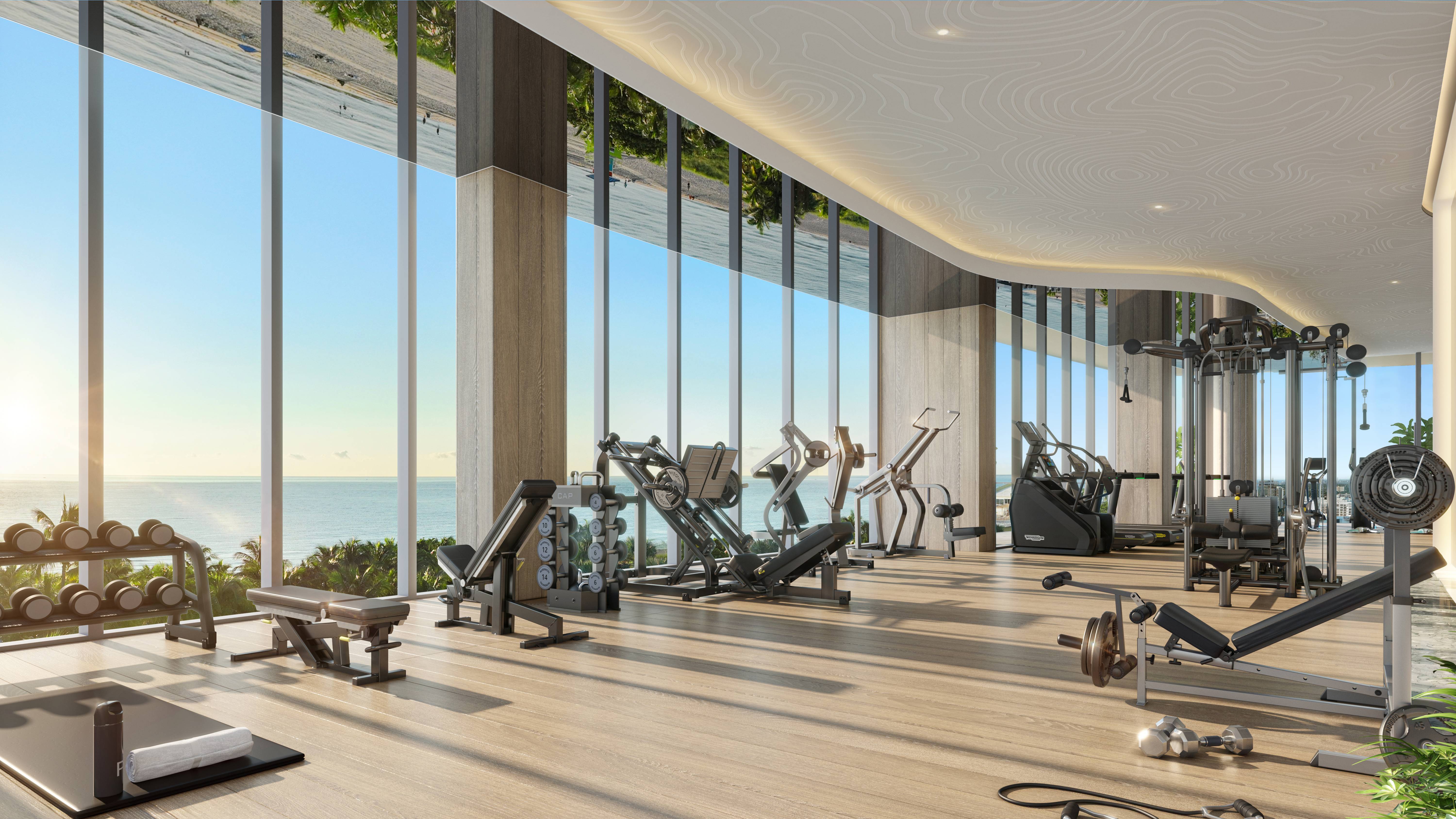
A buyer comparing Armani Casa Residences Pompano Beach with W Pompano Beach Hotel & Residences can use the same due-diligence framework without assuming that the projects operate alike. Brand identity and amenity presentation may shape expectations, but technical specifications, governing documents and written operating rules should guide conclusions about daily use.
The most useful comparison separates four subjects: wellness capacity, indoor-air systems, water treatment and booking rules. Each subject requires a different set of documents and questions. Keeping those categories distinct helps prevent an attractive amenity list from standing in for a complete operational review.
The most consequential luxury features are often the systems and rules a buyer cannot see.
This approach also keeps the analysis focused on the residence being considered. A feature shown in marketing should not be treated as evidence of a particular performance standard, access right or service level unless the applicable project documents support that conclusion.
A wellness review should begin by identifying every space the buyer expects to use, then determining how access works in practice. Pools, fitness areas, treatment spaces and recovery facilities can serve different purposes, but their value depends on capacity, hours, maintenance procedures and reservation rules.
Buyers should ask whether a facility is shared or restricted, whether reservations are required and whether guests can accompany an owner. It is also useful to confirm how temporary closures are communicated and whether alternative arrangements exist when a space is unavailable. These questions turn a general amenity description into an operating analysis.
The review should address staffing separately. Buyers can ask whether instructors, trainers or treatment providers are available, whether outside professionals may enter the property and whether advance approval or insurance documentation is required. Any fees, cancellation terms or limits should be confirmed in writing.
The same worksheet can be used when comparing other Pompano Beach choices, including The Ritz-Carlton Residences® Pompano Beach. The objective is not to presume that the projects are equivalent; it is to apply a consistent review method to each one.
Architecture, terraces and natural light do not establish the performance of an indoor-air system. A buyer seeking clarity should request the mechanical information applicable to the particular residence, common areas and any amenity spaces that matter to the purchase decision.
Useful questions include the specified filtration level, outside-air design, humidity-control strategy and exhaust configuration. Buyers can also ask whether any additional air-treatment equipment is included, optional or prohibited. If specialized equipment is discussed, its location, controls, noise, replacement cycle and maintenance responsibility should be identified.
Responsibility is as important as equipment. The documents should explain which components are maintained by the owner and which fall under the association or another operator. Buyers should also determine who selects replacement filters, who receives service notifications and how access for maintenance is handled.
These requests should be directed to the appropriate project representatives and reviewed with qualified advisers. Marketing language should not be converted into an engineering conclusion without supporting technical material.
Water review requires similar discipline. Buyers should distinguish municipal supply, building-level equipment and systems located within the residence. A reference to treatment at one level does not necessarily describe filtration or conditioning at another.
The document request can address filtration, softening and drinking-water treatment without presuming that any particular system is included. Buyers interested in adding equipment should confirm whether modifications are permitted and whether installation would require drainage, electrical service, cabinet space or approval.
Maintenance and warranty questions also belong in the review. The buyer should determine who replaces consumable components, whether a service contract is required and whether an owner-installed system could affect other equipment or finishes. Written guidance is more reliable than assumptions based on branding or price positioning.
A consistent water checklist can also be applied to Waldorf Astoria Residences Pompano Beach. Using the same questions across Pompano Beach projects makes differences easier to identify without implying that one project’s specifications apply to another.
An amenity can be present yet operate under conditions that materially affect convenience. Buyers should therefore request the rules governing reservations, waitlists, cancellations, fees, operating hours and recurring appointments. The review should also identify whether access differs for owners, household members and guests.
Priority rules deserve direct attention. Buyers can ask whether different user groups draw from the same reservation inventory and whether access changes during high-demand periods. If more than one concierge or booking platform is involved, the documents should clarify which channel controls a reservation and how conflicts are resolved.
Guest provisions should be reviewed alongside booking rules. Relevant questions include whether an owner must accompany a guest, whether guest numbers are limited and whether advance registration is required. Buyers should avoid treating informal practice as a permanent right when the governing documents reserve discretion to change procedures.
Rental provisions belong in the same document review because occupancy and access may be addressed together. Buyers should confirm eligibility, minimum terms, frequency limits, program requirements and the amenity rights available during an owner’s absence. No rental right or restriction should be inferred solely from a project’s brand or operating style.
A practical written request for either project can include:
Mechanical schedules addressing filtration, outside air, exhaust and humidity control.
Plumbing specifications distinguishing building systems from in-residence options.
Amenity rules covering reservations, fees, cancellations, guests and priority.
Governing documents addressing occupancy, rentals and shared-facility access.
A responsibility matrix for maintenance, replacement, approvals and related costs.
Buyers should compare responses line by line and note whether each answer appears in marketing material, a technical schedule, a draft rule or a binding document. The source and legal status of an answer can matter as much as the answer itself.
Any unresolved item should be converted into a specific written question. Instead of asking whether a project has good air quality, ask for the applicable filtration and outside-air specifications. Instead of asking whether wellness amenities are convenient, ask for reservation windows, guest procedures and closure policies. Precision makes responses easier to evaluate.
The shared lens for these Pompano Beach projects is not a claim that their systems, amenities or rules are the same. It is a method for testing how each residence may support the buyer’s routines and expectations.
Wellness spaces should be assessed through capacity and access. Air and water should be assessed through technical documentation. Booking, guest use and rentals should be assessed through governing and operating rules. Where written information is incomplete, the appropriate conclusion is that further confirmation is needed-not that a feature is present or absent.
For discreet guidance on evaluating Pompano Beach residences, connect with MILLION.
If branded residences are on your mind — as a home or as an allocation — we would be glad to share what we are seeing, privately.
Begin a quiet conversationBuyers should compare capacity, hours, reservation procedures, guest access and maintenance policies rather than relying only on amenity names.
Request residence-specific mechanical schedules covering filtration, outside air, humidity control and exhaust.
No. Architectural features do not establish filtration, ventilation or humidity-control specifications.
It should distinguish building-level systems from equipment inside the residence and clarify maintenance, approval and warranty responsibilities.
Booking windows, waitlists, fees and cancellation procedures determine how an amenity can be used in practice.
Buyers should confirm guest limits, registration requirements, accompaniment rules and any fees in the applicable documents.
Review the governing documents for eligibility, term requirements, frequency limits, program conditions and amenity-access provisions.
No. Buyers should rely on project-specific technical documents rather than infer performance from a brand identity.
Convert each unresolved point into a precise written request and seek confirmation from the appropriate project representative and qualified advisers.
Request mechanical and plumbing schedules, amenity rules, governing documents and a responsibility matrix for maintenance and replacement.