LILLI’s early budget is a planning estimate for a future condominium, not an operating record. Its limited residence count, expansive wellness program, waterfront exposure and long runway to anticipated completion all warrant conservative underwriting.
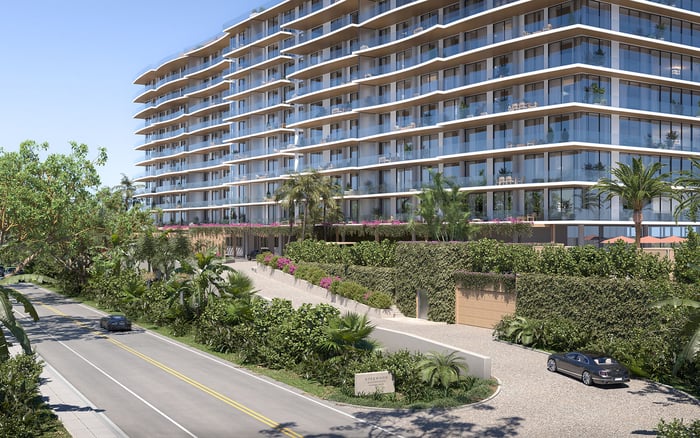
At Lilli Miami Edgewater, architecture and wellness are central to the proposition. Planned for a waterfront site at 717 NE 27th Street in Edgewater, the 53-story, 636-foot condominium will comprise 117 residences, with completion anticipated in 2030. That vision may be compelling, but it does not turn an early developer budget into evidence of stabilized operating costs.
A pro forma is a forecast prepared before a building has residents, actual usage patterns, executed operating contracts or a record of recurring expenses. A stabilized budget reflects how an occupied property functions after staffing, utilities, insurance, maintenance and amenity demand have settled into observable patterns. For a pre-construction buyer, these are categorically different documents.
A pro forma is a planning instrument, not an operating history.
The distinction is especially important because LILLI is a condominium. The relevant budget addresses expenses ultimately borne by owners through association assessments, not the operating profit-and-loss statement of a stabilized rental property. A polished headline fee may be useful for initial planning, but it should not be mistaken for a proven run rate.
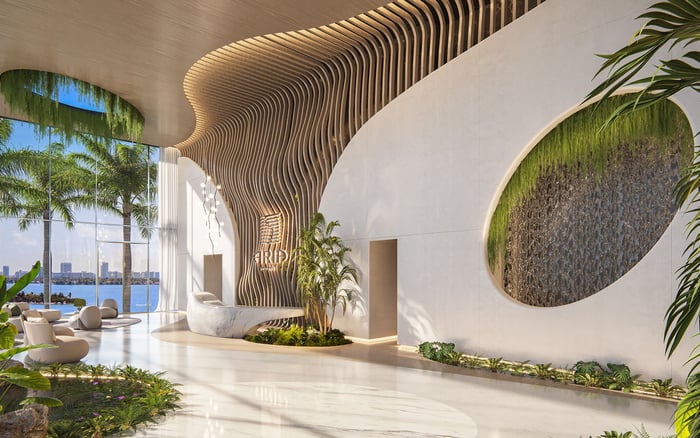
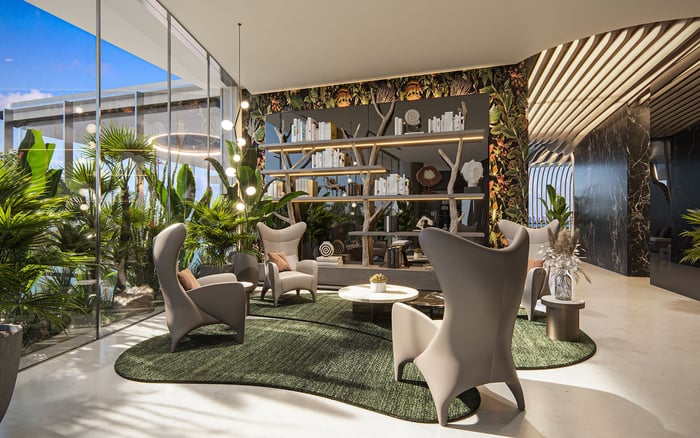
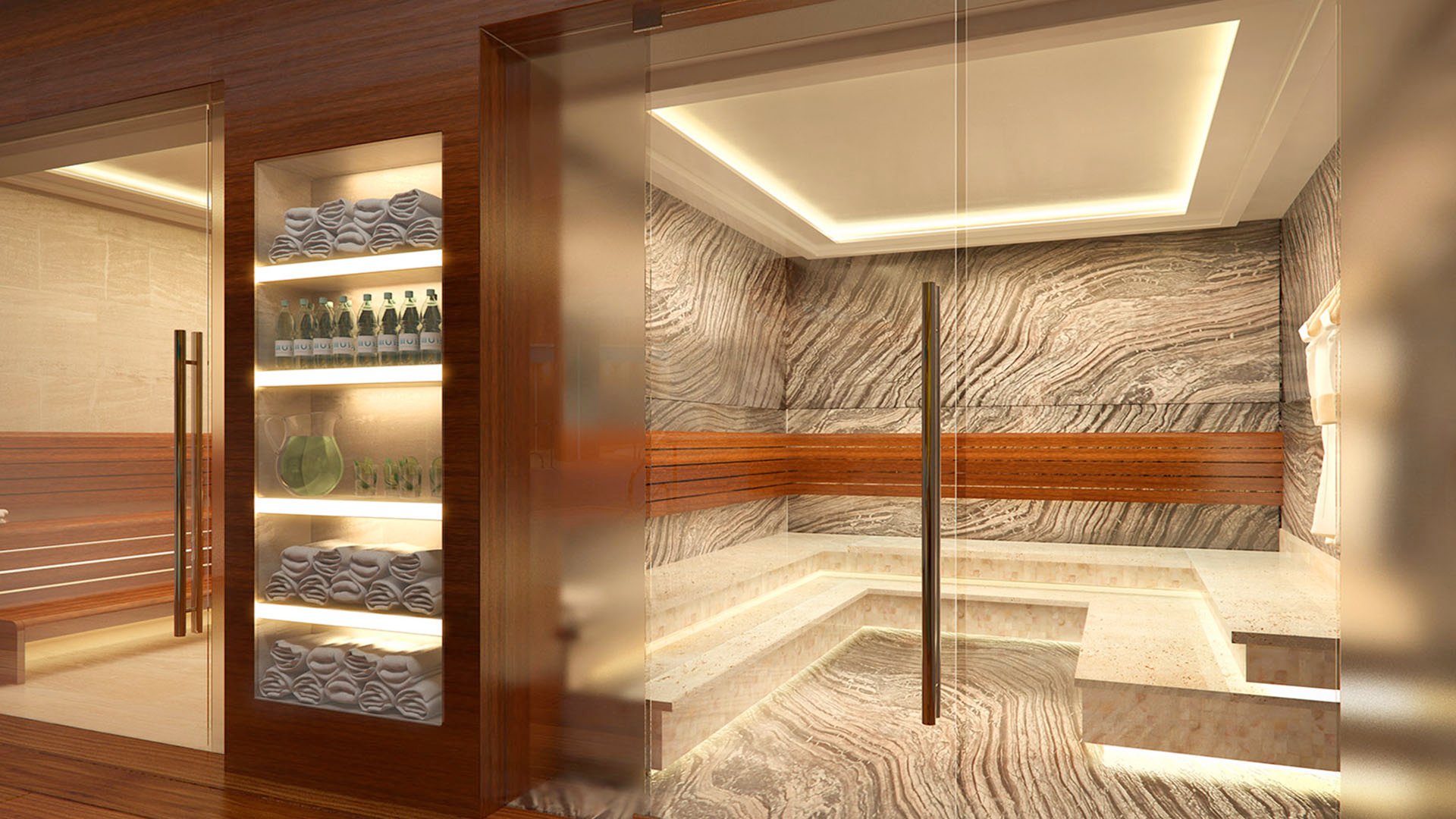
LILLI is planned with approximately 22,000 square feet of indoor and outdoor amenities shared among 117 residences. Its wellness program is organized around Movement, Recovery, Nourishment and Connection, with planned spaces that include a pool deck, spa and wellness facilities, fitness areas, lounges and waterfront common areas.
That combination creates exclusivity, but also operating intensity. Fixed costs-including management, security, engineering coverage, pool care, common-area climate control and specialized amenity maintenance-must be allocated across a relatively small ownership base. A larger condominium with a comparable service program may distribute similar expenses among many more units.
The relevant comparison, therefore, is not simply one monthly fee against another. Buyers should assess amenity area per residence, service expectations, staffing assumptions and physical exposure. Other Edgewater options, including Aria Reserve Miami and EDITION Edgewater, can help define a broader selection set, but meaningful operating comparisons should ultimately rely on consistent line items and, where available, occupied-building statements.
LILLI’s direct Biscayne Bay setting, extensive glass and large terraces are fundamental to its character. They also raise practical questions about façade access, exterior cleaning, sealants, waterproofing, metal finishes and exposure to salt air. The waterfront premium is experienced visually; its care appears in operating and reserve planning.
The proposed development encompasses approximately 360,679 square feet of floor area on a roughly 0.63-acre site. Those dimensions do not establish future costs by themselves. They do, however, underscore why a single per-square-foot estimate may obscure the operational complexity of a slender luxury tower with substantial shared spaces.
A terrace is private in experience but may still have implications for façade maintenance, drainage and exterior-envelope planning. Buyers should ask how responsibilities are divided between individual owners and the association, and whether recurring maintenance and longer-cycle replacements are treated separately.
With completion anticipated in 2030, early estimates face a multiyear interval during which labor, insurance, utilities and service pricing may change.
No detailed line-item operating budget or stabilized HOA cost per square foot establishes what the completed building will cost to run. Assigning LILLI a definitive stabilized figure would therefore be premature. Updated offering documents and draft budgets should carry more weight than an earlier sales illustration, though neither can substitute for actual operations before opening.
This is not a criticism unique to LILLI. It is an essential feature of new-construction underwriting. Buyers considering another boutique proposition, such as Villa Miami, should apply the same discipline: distinguish a forecast prepared before occupancy from a cost structure demonstrated after occupancy.
The most useful diligence begins with the latest condominium offering documents and current draft budget. Buyers and advisers should examine the proposed staffing schedule, insurance estimates, utility assumptions, management costs, amenity operations and reserve methodology. They should also identify which services are included, which may be charged separately and which expenses could vary with actual resident usage.
Insurance warrants scenario analysis rather than a single assumption. So do payroll and contracted services. A prudent review can model a base case, a higher-expense case and the effect of an assessment increase on total annual carrying cost. The objective is not to predict one exact number years in advance, but to understand the range within which ownership remains financially comfortable.
Statements from occupied luxury waterfront condominiums can provide a more credible stabilization reference, provided the properties have similar scale, service and physical complexity. Even then, adjustments are necessary. A building with fewer amenities, more residences or materially different staffing is not a clean analogue merely because it shares a ZIP code or water view.
Guide pricing begins near $1.6 million for one-bedroom residences, $3 million for two bedrooms, $5 million for three bedrooms and $7.7 million for four bedrooms. Homes range from one-bedroom layouts to garden estates and penthouses, with interiors beginning around 1,348 square feet and approaching 7,000 square feet. One one-bedroom configuration includes 1,348 interior square feet and a 265-square-foot terrace, with an indicated starting price of $1.65 million.
At these values, operating-cost precision is consequential. The rental policy allows no more than two rentals per year, each with a minimum term of six months. That orientation favors owners and seasonal residents over short-term-rental strategies. For an investment buyer, conservative association-expense assumptions are particularly important: higher stabilized fees can reduce net yield, while rental limits constrain how frequently a home may be repositioned in the leasing market.
Within MILLION's Pricing & Trends coverage, the disciplined approach is to treat carrying costs as part of acquisition underwriting, not as a secondary closing detail. Buyers can also examine a waterfront residence such as The Cove Residences Edgewater to clarify personal priorities while avoiding unsupported fee comparisons between projects at different stages.
LILLI’s pro forma should be read for what it is: a preliminary planning and sales estimate for a future, highly serviced condominium. Its 117-residence scale, approximately 22,000-square-foot amenity program, bayfront exposure and projected timeline make it inappropriate to treat that estimate as a stabilized operating result.
The strongest buyer response is not skepticism for its own sake, but disciplined verification, scenario testing and requests for updated documentation as construction and procurement advance. This Buyer's Guides principle preserves the design’s appeal while placing ownership economics on a more realistic footing.
For discreet guidance on South Florida luxury property selection and due diligence, connect with MILLION.
If branded residences are on your mind — as a home or as an allocation — we would be glad to share what we are seeing, privately.
Begin a quiet conversationIt is a forward-looking estimate prepared before a building has actual operating history, resident usage patterns or stabilized vendor costs.
LILLI remains in pre-construction, so its budget cannot yet be validated against an occupied, fully staffed building’s recurring expenses.
LILLI is planned with 117 residences, meaning fixed building and amenity costs will be shared across a relatively limited ownership base.
The project is planned with approximately 22,000 square feet of indoor and outdoor amenities.
Buyers should examine staffing, insurance, utilities, management, amenity operations, waterfront maintenance and reserve assumptions.
Biscayne Bay exposure, extensive glass and large terraces introduce façade cleaning, exterior care, waterproofing and salt-air maintenance considerations.
Completion is anticipated in 2030, leaving time for major expense assumptions to change.
No detailed line-item budget or stabilized HOA cost per square foot establishes the completed building’s actual operating run rate.
The policy allows no more than two rentals annually, each with a minimum six-month term.
An investment buyer should model conservative association expenses and test how higher stabilized fees could affect annual carrying costs and net yield.