A buyer-focused comparison of Armani Casa Residences Pompano Beach and Baccarat Residences Brickell, centered on culture, amenity logic, elevator diligence, and owner-control questions.
For South Florida’s most sophisticated condominium buyers, the central question is rarely whether a building offers a spa, pool, fitness room, or private lounge. The more revealing question is how the building expects to be lived in. That expectation is building culture: the operating philosophy that shapes amenity density, elevator experience, resident privacy, staff behavior, and the balance of power among brand, developer, association, and owners.
That is why Armani Casa Residences Pompano Beach and Baccarat Residences Brickell make such a useful comparison. Both are branded luxury residences. Both speak to affluent buyers who understand design, service, and scarcity. Yet their cultures are meaningfully different. Armani Casa in Pompano Beach reads as coastal, restrained, and materials-focused. Baccarat in Brickell reads as urban, glamorous, and amenity-forward.
That distinction can shape daily life more than any brochure suggests. A restrained coastal building may feel calmer, less programmed, and less dependent on interior amenity volume because the beach and outdoor living carry part of the experience. An urban high-rise in Brickell may need a richer amenity ecosystem because the building itself becomes the private resort within a dense city fabric.
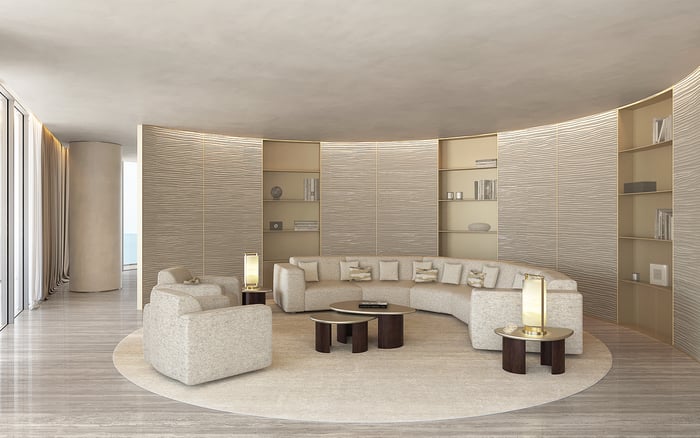
Armani Casa Residences Pompano Beach is best understood through restraint. The Armani design language is often discussed in terms of clean lines, spatial clarity, discretion, and material control. In a residential setting, that culture tends to reward silence over spectacle, proportion over novelty, and curated experiences over amenity proliferation.
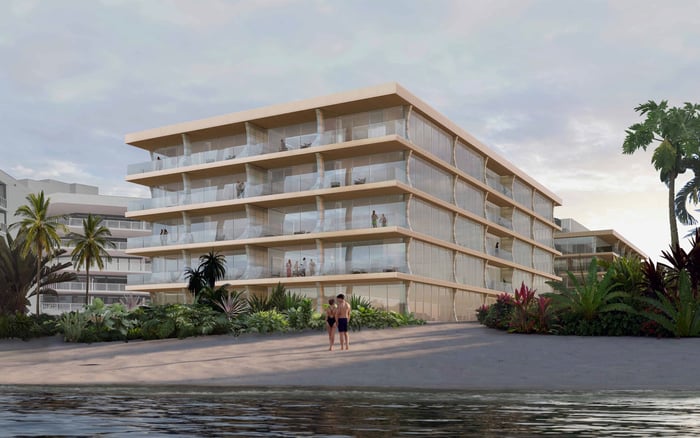
Pompano Beach also matters. The Broward coast offers a different luxury rhythm than the densest Miami-Dade corridors. The setting positions Armani Casa as a coastal alternative to more vertical, urban luxury towers. When beach access and outdoor living are central to the experience, amenity density carries a different meaning. A buyer may not need a building to simulate a resort on every level if the coastal environment already supplies the emotional release.
That does not make amenities less important. It makes the quality, placement, mood, and maintenance of those amenities more important than the sheer number of them. Oceanfront living changes the equation. The best amenity may be the calm transition from residence to sand, the feeling of privacy in a shared space, or the absence of visual clutter.
This is also where comparison shopping becomes useful. A buyer considering Armani Casa may also look at The Ritz-Carlton Residences® Pompano Beach to understand how branded coastal residences can differ in service posture, tone, and amenity emphasis while remaining within the same broader shoreline conversation.
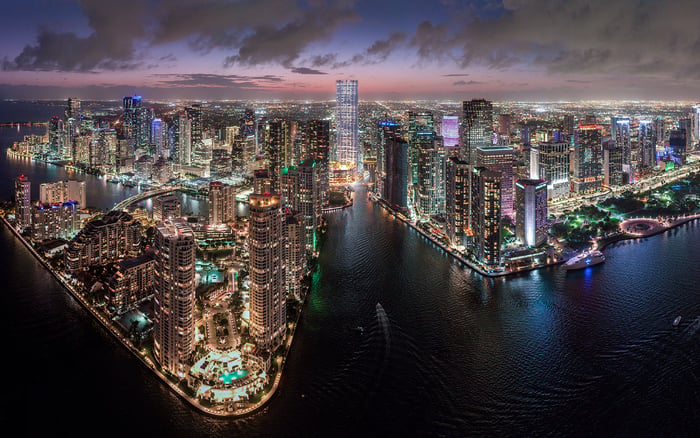
Baccarat Residences Brickell carries a different cultural signal. Baccarat is heritage luxury, associated with crystal, glamour, entertaining, and formal hospitality. In Brickell, that identity meets a dense, walkable, restaurant-rich urban environment where the private residence must compete with the energy of the city while also offering refuge from it.
This is where amenity density becomes more than a feature. In a high-rise urban setting, amenities often function as private social infrastructure. They create a resident-only layer above the city: places to host, dine, lounge, exercise, recover, and entertain without leaving the building. For some buyers, that is the point. The building becomes a vertical club, a polished counterpoint to the intensity of Brickell below.
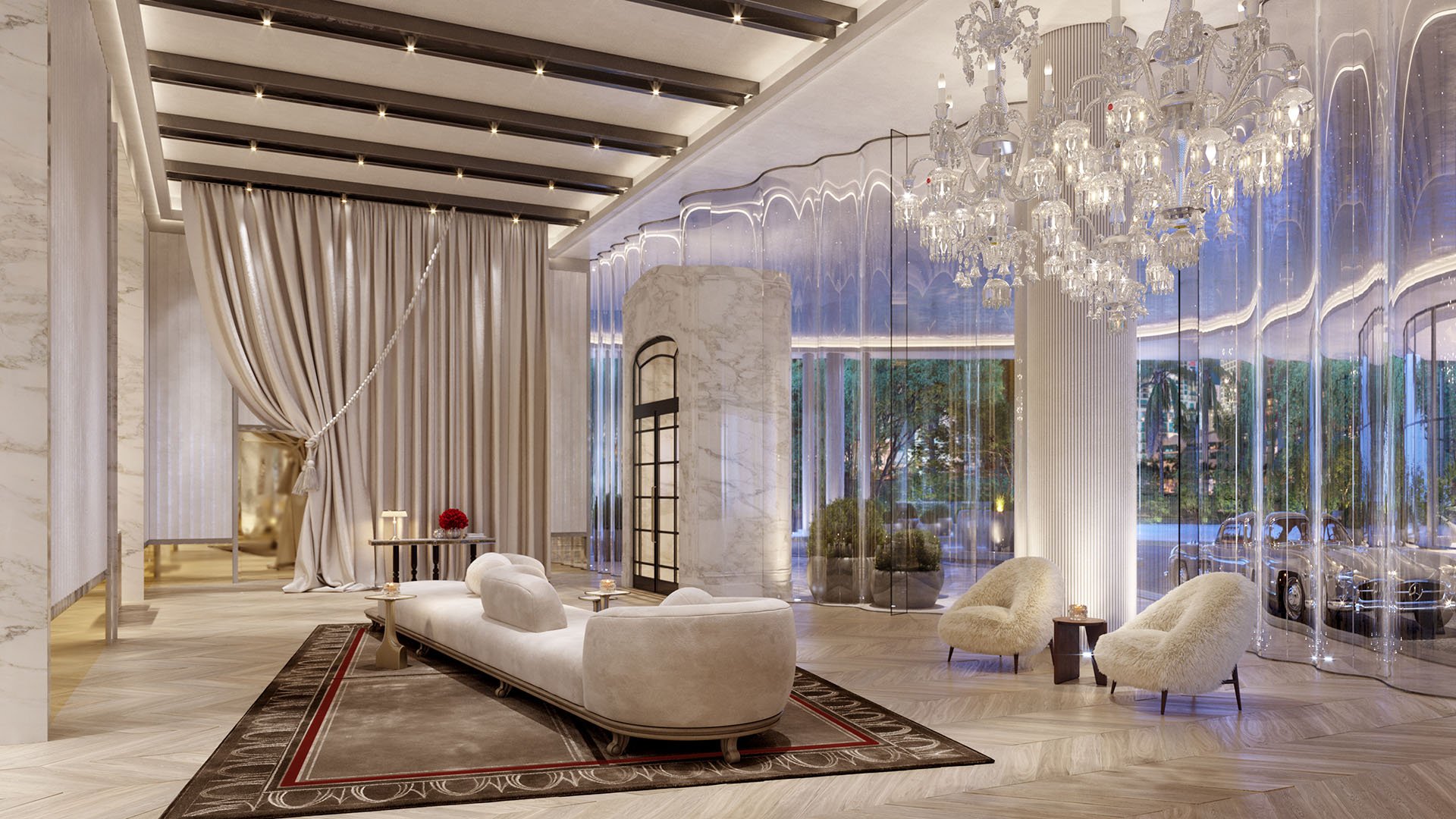
Baccarat’s culture is therefore likely to feel more socially oriented than Armani Casa’s curated coastal model. The emphasis is not simply on privacy, but on the choreography of private glamour. Residents may value arrival sequence, hospitality rituals, formal lounges, and the sense that the tower is part residence, part social stage.
Brickell buyers often compare that experience against other high-design or service-rich towers nearby. Projects such as St. Regis® Residences Brickell and Cipriani Residences Brickell help frame how different hospitality brands translate urban luxury into daily residential life.
Amenity density should be judged against context. In Pompano Beach, the coastal environment can reduce dependence on stacked indoor programming. In Brickell, the opposite may be true. A resident may want the building to provide a private world above a busy district, particularly when there is no estate-style acreage or direct beachfront environment to absorb daily leisure.
This is why a simple amenity checklist can mislead. A building with fewer, better-controlled amenities may feel more luxurious than one with a larger menu that is crowded, noisy, or operationally stretched. Conversely, a dense urban building with strong social programming may feel far more complete if its amenities support the way residents actually use the city.
For Armani Casa, the likely buyer question is whether the amenity package protects the brand’s minimalist discipline. For Baccarat, the question is whether the amenity stack supports glamour without becoming congested. Both are luxury questions, but they are not the same question.
Elevator experience is one of the most underestimated luxury variables in South Florida high-rise living. It affects school runs, dinner reservations, dog walks, valet timing, staff flow, deliveries, and the simple pleasure of leaving home without friction. Yet verified elevator counts, elevator-bank configurations, and measured wait times are not details buyers should infer from brand prestige alone.
For both Armani Casa Residences Pompano Beach and Baccarat Residences Brickell, elevator wait time deserves document-level diligence. Buyers should request building-specific information when available, including the number of passenger elevators, service elevators, dedicated residential banks, access-control logic, move-in procedures, peak-hour management, and how staff or vendors circulate.
The cultural difference still matters. In a quieter coastal building, peak movement may be shaped by beach routines, seasonal occupancy, and outdoor living. In Brickell, movement can be more urban, with commuting patterns, social arrivals, deliveries, rideshare coordination, and evening activity all influencing vertical traffic. The better question is not simply “What is the wait time?” It is “How has the building been designed and operated to protect resident time?”
Owner control is another area where culture becomes practical. In branded residences, buyers should understand how the brand, developer, association, and future owner body interact. The elegance of a name does not automatically answer questions about rental rules, service obligations, brand standards, operating costs, architectural controls, or association turnover.
The prudent buyer reviews governing documents, budget assumptions, brand-management rights, use restrictions, and the mechanisms by which owners can influence future building operations. This is especially important when the building’s value proposition depends on maintaining a specific tone. Armani Casa’s restraint requires aesthetic discipline. Baccarat’s hospitality culture requires operational polish. Both can be diluted if the governance structure is poorly understood.
Investment analysis should therefore include more than price, view, and floor height. It should include the durability of the building culture. If owners eventually want more control, less programming, tighter rental standards, or different staffing priorities, what does the structure permit? If the brand requires certain standards, how are those costs allocated and enforced?
The strongest comparison is cultural and contextual. Armani Casa Residences Pompano Beach represents curated coastal restraint: design clarity, discretion, and a beachfront lifestyle where the setting itself carries some of the amenity burden. Baccarat Residences Brickell represents urban, amenity-forward branded luxury: a more social, hospitality-inflected environment shaped by the density and energy of Brickell.
Neither model is inherently superior. The right answer depends on how a buyer wants to live. A collector of quiet mornings, beach rituals, and controlled design may lean toward Armani Casa. A buyer who wants formal entertaining, urban access, and a private social world above the city may find Baccarat more aligned.
The best luxury purchase is not the building with the longest amenity list. It is the building whose culture protects the life the owner is trying to build.
Is Armani Casa Residences Pompano Beach more minimalist than Baccarat Residences Brickell? Yes. Armani Casa is framed around restrained, materials-focused coastal luxury, while Baccarat is more associated with glamour, entertaining, and hospitality.
Is Baccarat Residences Brickell more amenity-forward? Its Brickell context supports a more expansive, socially oriented amenity culture because the building functions as a private urban resort.
Are elevator wait times published for both buildings? Verified elevator wait times are not something buyers should assume. They should be reviewed through project-specific disclosures and sales-team diligence.
Does a coastal setting reduce the need for dense amenities? Often, yes. Beach access and outdoor living can make fewer, better-curated amenities feel more luxurious than a larger indoor stack.
Why does Brickell usually require a stronger amenity program? Brickell is dense, walkable, and highly urban, so private amenities help create retreat, convenience, and social space within the tower.
Should owner control be reviewed before buying? Yes. Buyers should review governance, rental rules, brand standards, association rights, and operating obligations before relying on brand identity.
Is brand prestige enough to evaluate daily life in a tower? No. Brand prestige matters, but daily luxury depends on elevator performance, staffing, maintenance, amenity use, and owner governance.
Which building is better for quiet coastal living? Armani Casa Residences Pompano Beach is the more natural fit for buyers prioritizing coastal restraint and a calmer luxury rhythm.
Which building is better for social urban living? Baccarat Residences Brickell is better aligned with buyers who want urban access, formal hospitality, and a more social amenity environment.
What is the best way to shortlist comparable options for touring? Start with location fit, delivery status, and daily lifestyle priorities, then compare stacks and elevations to validate views and privacy.
For a tailored shortlist and next-step guidance, connect with MILLION.
If branded residences are on your mind — as a home or as an allocation — we would be glad to share what we are seeing, privately.
Begin a quiet conversation