A practical comparison of Arbor Coconut Grove and La Baia North Bay Harbor Islands for buyers weighing primary-suite privacy, guest circulation, views, amenities, and long-term livability.
The most useful way to compare Arbor Coconut Grove and La Baia North Bay Harbor Islands is not to ask which address reads as more impressive on paper. Both speak to a sophisticated buyer. The sharper question is how each will feel on a normal Tuesday morning, after dinner with friends, or through a long season of ownership, when privacy, circulation, and ease begin to matter more than novelty.
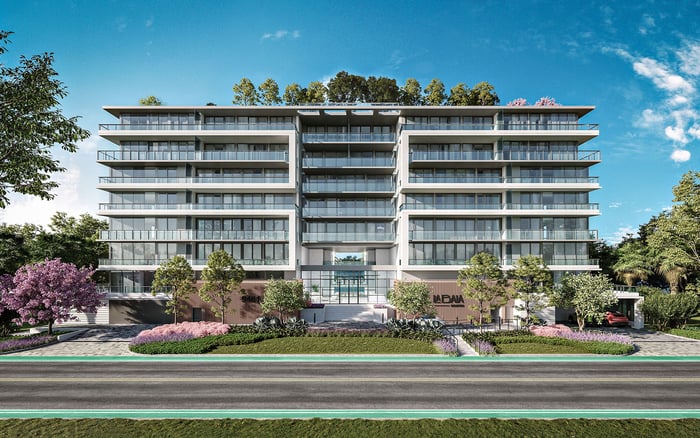
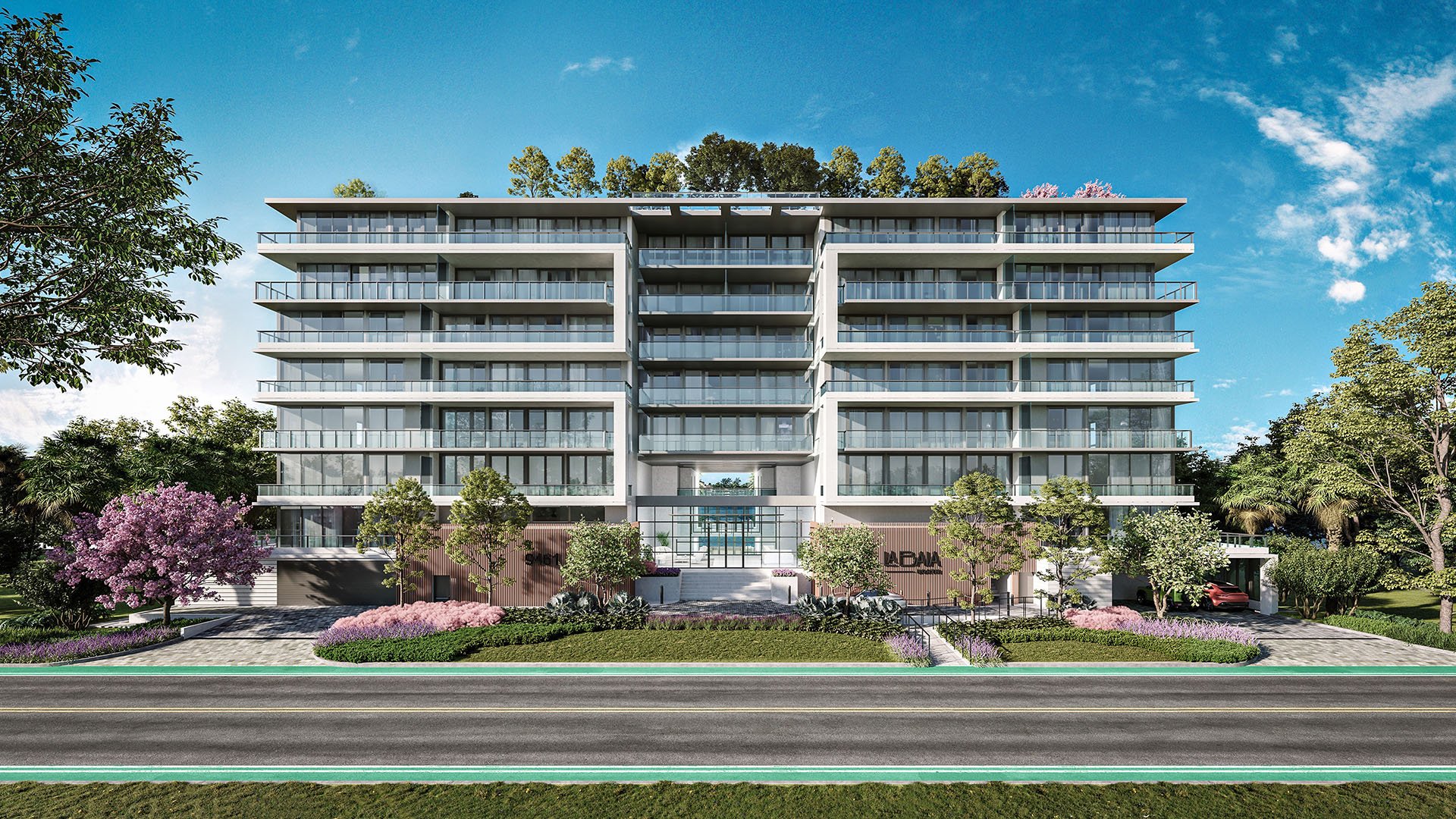
Arbor Coconut Grove is framed around a boutique, low-rise, garden-centric way of living. Its appeal is not tower drama. It is a softer residential rhythm, closer to landscaping, terraces, neighborhood streets, and the intimate pace of the Grove. La Baia North Bay Harbor Islands, by contrast, is a boutique luxury condominium shaped by waterfront orientation, contemporary condo living, bay views, and a more amenity-led experience.
That makes the comparison less about status and more about the mechanics of comfort. One property leans into secluded Grove intimacy. The other leans into open-water perspective and a structured condominium lifestyle.
For many luxury buyers, the primary suite is no longer simply the largest bedroom. It is the most private zone of the residence, the place where the home either restores energy or quietly fails to do so. In this category, Arbor and La Baia North approach privacy from different directions.
At Arbor Coconut Grove, privacy is tied to scale. A lower-rise, more residentially scaled building can reduce the feeling of exposure to elevator traffic, long corridors, and high-density neighbor movement. The primary suite is likely to resonate most with buyers who want a retreat inside a calmer, more intimate building environment. Privacy here is psychological as much as visual: fewer transitions, less vertical intensity, and a closer sense of home rather than hotel.
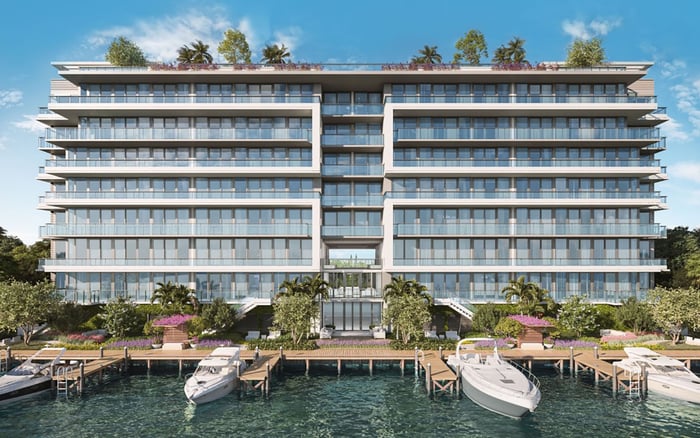
At La Baia North Bay Harbor Islands, privacy is more strongly connected to orientation. Bay-facing residences can benefit from an outlook across open water, which may reduce the sense of looking directly into another building. That kind of waterview privacy is powerful because it changes the emotional register of the room. Instead of enclosure, the suite can feel protected by distance, air, and horizon.
The tradeoff is clear. Arbor’s privacy is inward, gardened, and neighborhood-scaled. La Baia North’s privacy is outward, water-facing, and vertically organized.
The practical test of a luxury residence is often how gracefully it handles guests. Not only formal entertaining, but the everyday choreography of arrivals, drinks, visiting family, houseguests, and evenings that begin casually and become extended.
Arbor Coconut Grove may appeal to buyers who want guests to move through the home in a more residential, indoor-outdoor manner. The project’s garden-centric identity and lower-scale setting support a way of living where terraces, landscaping, and neighborhood proximity become part of the social experience. For some owners, that creates a warmer, less performative rhythm. Guests feel connected to the home itself, not only to a view or amenity deck.
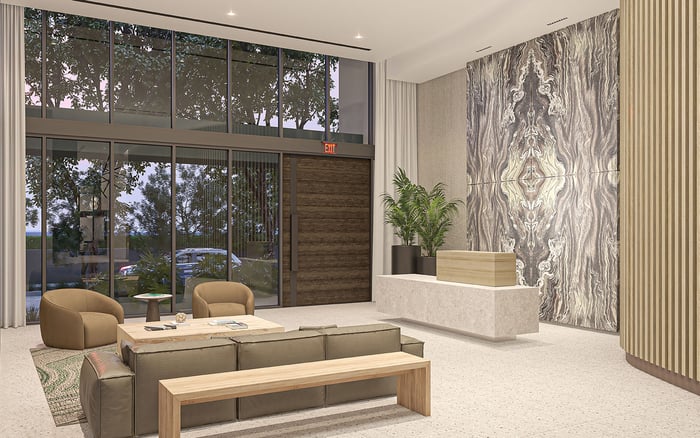
La Baia North is likely stronger for buyers who prefer a clearer separation between private residence space and shared amenity or social space. Its condominium format is more structured, which can be an advantage when guests are meant to gather around views, shared spaces, and a polished waterfront experience. The residence can remain private while the building absorbs part of the social life.
This distinction matters over time. If your ideal evening is friends drifting between living areas and garden-adjacent outdoor space, Arbor’s logic may feel natural. If you prefer entertaining that draws energy from the bay, the building, and an amenity-minded setting, La Baia North may be better aligned.
A purchase at this level should be judged beyond the first impression. Over a long hold, comfort becomes cumulative. It is shaped by how often one passes through shared spaces, how easily the home adapts to quiet days and social nights, and whether the surrounding neighborhood still feels compatible with daily life.
Arbor’s long-term comfort advantage is likely its softer residential rhythm. Coconut Grove supports buyers who prioritize walkability, greenery, neighborhood intimacy, and flexible daily use over waterfront spectacle. The lifestyle is less about a singular view moment and more about living within a layered village environment. In buyer shorthand, the Coconut Grove decision often signals rootedness, greenery, and a preference for daily texture.
La Baia North’s long-term comfort is different. Bay Harbor Islands offers a more waterfront-oriented condominium experience, with the appeal of views, water proximity, and an amenity-driven residential format. For buyers who travel often, split time between homes, or want a polished lock-and-leave base, that structure can be highly attractive. The Bay Harbor decision often signals water, simplicity, and a more defined building lifestyle.
Neither model is inherently superior. The better fit depends on whether the owner wants the home to feel grounded in neighborhood life or elevated by waterfront ease.
Boutique is sometimes used loosely in South Florida, but at Arbor it matters because it describes a buyer psychology as much as a building type. A lower-rise residence can create a more personal sense of arrival. It can also reduce the fatigue that comes from repeated elevator rides, long corridors, and the anonymity of larger vertical living.
This is especially relevant for owners who are sensitive to how a building feels at different times of day. Morning walks, school runs, dog walks, short errands, and quiet returns after dinner all benefit from a setting that feels close to the ground. Arbor’s Grove context gives that rhythm more credibility because the neighborhood itself is part of the luxury proposition.
Privacy, however, is not automatic in a low-rise environment. It shifts from distant tower sightlines to screening between neighboring residences, terraces, landscaping, and the street. The buyer should look carefully at how outdoor spaces relate to one another and whether the primary suite feels protected in actual daily use.
La Baia North’s strength is the clarity of its proposition. It is a boutique luxury condominium with a waterfront-oriented lifestyle, bay views, and a contemporary residential mood. For buyers who want the residence to open toward water, the emotional appeal is immediate.
That outlook can also support a different form of privacy. Open water creates visual breathing room, and for bay-facing homes, the primary view may feel less exposed than a conventional urban outlook. This is especially important in rooms where stillness matters: the primary suite, the main living area, and any terrace designed for quiet morning or evening use.
The amenity-led structure also suits buyers who want social life to be held partly outside the residence itself. Guests can experience the waterfront setting without every gathering needing to unfold entirely within the private home. For some owners, that separation is not merely convenient. It is the reason to choose a new-development condominium format.
Choose Arbor Coconut Grove if the emotional priority is seclusion, greenery, neighborhood intimacy, and a primary suite that feels like part of a quieter residential composition. It is the more intuitive fit for buyers who want fewer shared-building transitions and a daily life connected to the Grove’s village-like texture.
Choose La Baia North Bay Harbor Islands if the priority is water, views, contemporary condominium living, and a more defined separation between private space and social or amenity space. It is the more natural fit for buyers who want guests to orient around the bay and who value a polished, lock-and-leave rhythm.
The decision should be made by walking through three scenarios: waking up in the primary suite, hosting guests for a relaxed evening, and returning home after several years of ownership. The property that feels better in those repeated moments is usually the more durable choice.
Is Arbor Coconut Grove more private than La Baia North? Arbor may feel more private for buyers who value lower scale, less neighbor intensity, and a quieter residential rhythm.
Does La Baia North offer a different kind of privacy? Yes. Its waterfront orientation can create strong visual privacy for bay-facing residences by looking across open water.
Which building is better for a primary suite retreat? Arbor may suit buyers seeking psychological seclusion, while La Baia North may suit those who want view-based calm.
Which is better for entertaining guests? Arbor favors more residential, garden-connected hosting, while La Baia North favors gatherings shaped by views and shared amenities.
Is Arbor more neighborhood-oriented? Yes. Arbor’s Coconut Grove setting supports walkability, greenery, and a village-like daily lifestyle.
Is La Baia North better for lock-and-leave living? It may be better aligned with buyers who want a polished waterfront condominium format and structured circulation.
Should buyers focus on floor plans first? They should focus first on how privacy and circulation will feel in daily life, then test floor plans against that expectation.
Is waterfront living always more private? Not always. Waterfront orientation can help visually, but privacy still depends on exposure, circulation, and residence placement.
Which option is better for a long hold? Arbor may suit rooted daily living, while La Baia North may suit buyers who want enduring waterfront ease.
What is the best way to shortlist comparable options for touring? Start with location fit, delivery status, and daily lifestyle priorities, then compare stacks and elevations to validate views and privacy.
If you'd like a private walkthrough and a curated shortlist, connect with MILLION.
If branded residences are on your mind — as a home or as an allocation — we would be glad to share what we are seeing, privately.
Begin a quiet conversation