A discreet relocation guide for Boston families evaluating Boca Raton through the lens of school placement, club life, daily logistics, household privacy, and luxury residential choices.
For many Boston families, relocating to Boca Raton is not simply a search for warmer weather or a larger residence. It is a reconfiguration of the family operating system: schools, clubs, commutes, household staffing, security, privacy, healthcare access, and the weekly rhythm of children moving between academics, sports, friends, and home.
The strongest moves tend to begin with a question other than “Which house should we buy?” A more useful starting point is, “What should a normal Tuesday feel like?” That single question clarifies whether the family is optimizing for proximity to a preferred school, a club-centered lifestyle, a gated-community environment, a waterfront setting, golf access, or a residence that minimizes maintenance while the family settles into South Florida.
Boca Raton can appeal to families who want a polished but less performative version of luxury. It offers privacy without requiring social withdrawal, year-round outdoor routines without the need to over-program every weekend, and a residential culture where families can be deeply involved or deliberately discreet. For a Boston household accustomed to academic rigor, legacy neighborhoods, and established club etiquette, the move is less about reinvention than translation.
Private-school planning should precede the real estate search. In practice, that means treating admissions, commute patterns, divisional placement, sibling dynamics, and after-school logistics as one integrated decision. A home that feels ideal during a weekend showing can become less compelling if the morning routine is strained, if extracurricular travel is awkward, or if the children’s social geography forms in a different part of town.
Families should evaluate schools through multiple lenses: academic philosophy, student culture, class size preferences, arts and athletics, college counseling style, religious or secular orientation, and the degree of parent involvement expected. For children arriving from Boston-area independent schools, the transition can be smoother when parents focus on curriculum continuity and emotional fit rather than prestige alone.
The practical questions matter. Can both children be dropped off without turning the morning into a production? Is there reliable transportation support? Where will practices, tutoring, and weekend activities take place? Do parents want to be close enough for frequent campus involvement, or far enough away to preserve a more private household cadence? A strong school match can make Boca Raton feel like home quickly. A poorly matched commute or culture can make even an exceptional residence feel inconvenient.
For relocating families, clubs often become the social bridge between arrival and belonging. They can provide sport, dining, summer structure, intergenerational friendships, business proximity, and a familiar etiquette for families moving from established Northeast circles. The key is to evaluate club life honestly before assuming access will fall into place after closing.
Membership culture varies. Some families want a club that functions as a second living room, with frequent dinners, junior programming, and a wide social orbit. Others want privacy, court or course access, and minimal obligation. Parents should ask how children will use the club, whether the programming aligns with their ages, and whether seasonal patterns suit the family’s calendar.
The club question also affects housing. A family prioritizing golf may accept a different home profile than one focused on beach proximity, walkability, or a secure lock-and-leave residence. A club-centric household may value service areas, guest accommodations, and outdoor entertaining. A family still keeping ties to Boston may prefer a residence that is easier to secure and maintain during travel weeks.
Commute diligence is not only about an office. For a family, the real commute map includes schools, clubs, sports, physicians, airports, grandparents, tutors, friends’ homes, weekend dining, and recurring appointments. A sophisticated buyer should test the map around the household’s actual life, not a generic drive-time estimate.
Boston families often bring a high tolerance for complex logistics, but Boca Raton living is strongest when the daily pattern feels effortless. Before committing to a residence, families should rehearse a weekday morning, an afternoon pickup, an evening club visit, and a travel day. If one parent will continue to fly frequently, airport access becomes part of the home’s value. If children are in different divisions or different schools, the margin for error narrows.
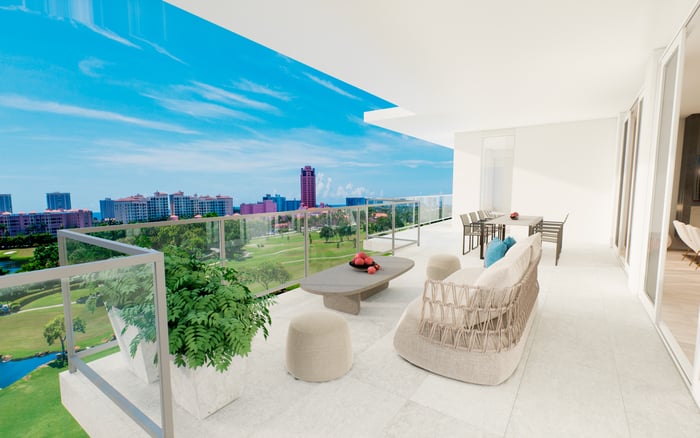
This is where the distinction between an estate and a serviced residence becomes important. A larger property may provide privacy and scale, but it also creates staffing, maintenance, and security considerations. A residence such as Alina Residences Boca Raton may appeal to families who want a more managed lifestyle while they establish routines. Other buyers may use that first year to observe neighborhoods before selecting a longer-term estate.
Security questions should be raised early and discreetly. For families relocating from Boston, the conversation often includes gated access, camera coverage, household staff protocols, package handling, guest arrival procedures, secure storage, cyber hygiene, vehicle routines, and how children move between home, school, and activities.
The best security plans are layered and quiet. A visible gate is not a complete strategy. Families should understand how visitors are screened, how service providers are scheduled, how deliveries are handled, and how teenage independence will be managed as children gain freedom. The privacy profile of the residence matters as much as the architecture.
In a gated-community setting, buyers should examine not only the front entrance but also the culture of access. Who comes and goes during the day? How are vendors managed? What happens during parties or holidays? In a condominium or branded residential environment, families should ask about front desk procedures, elevator access, parking movement, and guest registration. A residence such as The Residences at Mandarin Oriental Boca Raton may enter the conversation for buyers comparing a more contained residential format.
The traditional Boca Raton move often begins with the image of a substantial single-family home, outdoor space, and room for guests. That remains compelling for families who want a pool-focused lifestyle, private entertaining, and a base for visiting relatives from the Northeast. Yet not every family wants to manage a full estate immediately after a relocation.
Some households prefer a transitional chapter in a luxury residence with simplified maintenance, controlled access, and flexibility to travel. Glass House Boca Raton may be part of that discussion for buyers considering a refined residential setting rather than a traditional estate. For families who want a branded residential option in the area, Mr. C Residences Boca Raton can also be considered within the broader spectrum of low-maintenance luxury.
The right answer depends on the family’s stage. Younger children may benefit from immediate neighborhood play and outdoor space. Teenagers may care more about proximity to friends, activities, and independence. Parents may prioritize privacy, storage, office space, and the ability to host grandparents. The residence should support the family’s real life, not merely its aspirational version.
Before making an offer, Boston families should gather for a practical review. Does the school plan work for every child? Is the club strategy realistic? Have the commutes been tested at the right times? Does the home support the family’s security posture? Are there enough private zones for work, study, guests, and staff? Can the residence absorb seasonal visitors without disrupting daily life?
A disciplined buyer will also consider emotional acclimation. Children may need continuity, not just opportunity. Parents may need familiar structure before they can fully enjoy the new setting. The best Boca Raton relocation is not defined by the largest purchase or the most visible address. It is defined by how quickly the family regains ease.
For many families, that ease comes from sequencing. Secure the school path, clarify the club plan, test the commute grid, decide the desired level of privacy, then choose the residence. When the order is correct, Boca Raton becomes less of a relocation and more of a deliberate upgrade in daily life.
Should Boston families choose a Boca Raton home before applying to private schools? Usually, school fit should come first. The home search becomes more precise once the family understands admissions timing, campus location, and daily routines.
Is Boca Raton better for families seeking privacy or social access? It can serve both goals. The key is choosing the right combination of residence, club culture, school community, and household routines.
What should parents ask during private-school tours? Ask about academic placement, student culture, extracurricular expectations, transportation, parent involvement, and how new students are integrated.
How important are clubs in a Boca Raton relocation? Clubs can be central for families who want sports, dining, friendships, and structure. Access, culture, and junior programming should be reviewed early.
Should a relocating family prioritize a gated-community? A gated-community can be valuable for controlled access and privacy, but buyers should also evaluate staffing, visitor procedures, and daily convenience.
Is waterfront living practical for families with children? Waterfront living can be highly appealing, but families should evaluate safety, maintenance, outdoor use, and how the setting fits the children’s ages.
How should families think about golf access? Golf access is most valuable when it reflects real weekly use. Families should consider junior interest, club culture, and proximity before over-weighting it.
Are luxury condominiums suitable for families relocating from Boston? They can be, especially for families wanting security and lower maintenance. Space planning, storage, parking, and guest policies should be reviewed.
What is the biggest mistake in a Boston-to-Boca move? The most common mistake is choosing the property before mapping school, club, commute, and security needs. Lifestyle sequencing matters.
When should a family begin security planning? Security planning should begin during the first serious tours. It is easier to choose the right residence than to retrofit privacy into the wrong one.
For a tailored shortlist and next-step guidance, connect with MILLION.
If branded residences are on your mind — as a home or as an allocation — we would be glad to share what we are seeing, privately.
Begin a quiet conversation