Private dining amenities promise effortless entertaining, but the decisive details are operational. Compare the advertised spaces at Kempinski and Ritz-Carlton’s Fort Lauderdale residences, then verify reservation rights, catering access, guest restrictions and event costs in writing.

For buyers who entertain, a private dining room can matter as much as a generous residence floor plan. Its value depends on whether a favorite chef can arrive discreetly, guests can circulate comfortably and the evening can unfold without compromising neighbors’ privacy. A beautiful room is only the starting point.
At Kempinski Residences Miami Design District and The Ritz-Carlton Residences® Fort Lauderdale, advertised amenities offer distinct starting points for that assessment. Neither amenity descriptions nor hospitality branding establish the full terms of private use. Buyers should separate three considerations: the physical space, the available services and the permissions governing an event.
Begin with a realistic brief: your typical seated dinner, an occasional celebration and any family or business gathering you expect to host. Specify guest count, preferred caterer, music, timing and service requirements. Ask management to assess that same brief against the applicable rules.
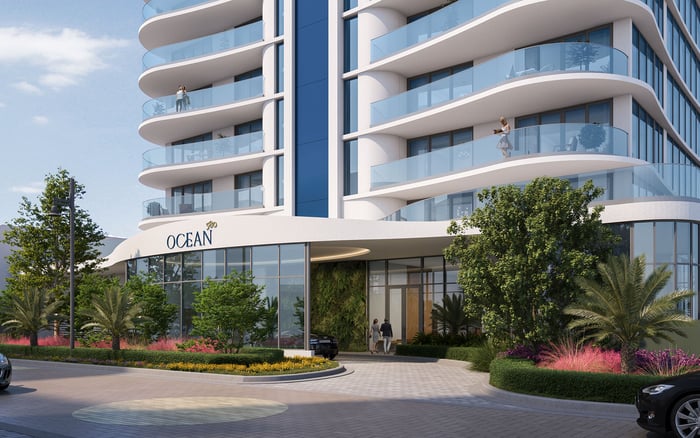
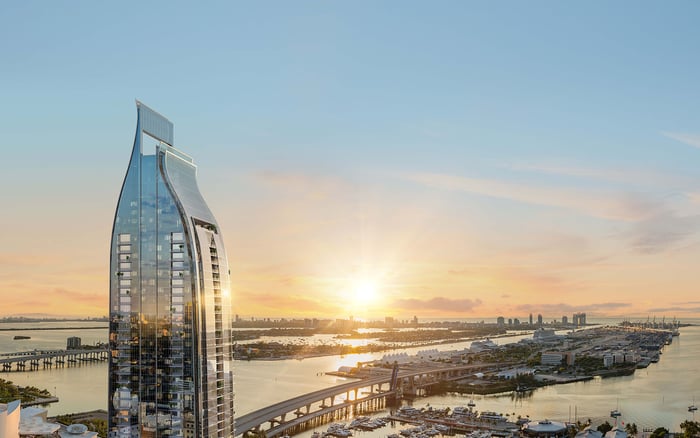
At Kempinski Residences Miami Design District, approximately 70,000 square feet of indoor and outdoor amenities are planned across two towers connected by an elevated amenities bridge. The broader program encompasses dining, lounges, private salons, pools, fitness and spa spaces.
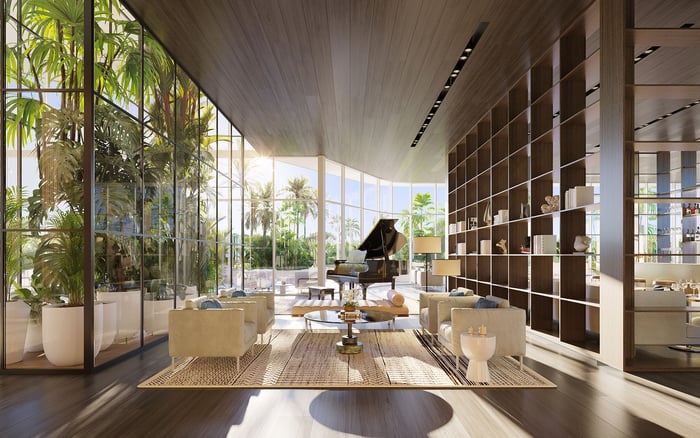
The South Tower program includes a private dining room and beverage bar, alongside a conference room, game room, music studio and TV lounge. Additional advertised features include a chef’s kitchen, catering kitchen, an on-site restaurant with terrace seating and private dining salons. A party room with a catering kitchen and courtyard lounge is also advertised.
First, determine whether these descriptions refer to separate, independently reservable spaces or overlapping elements of the same program. Request an annotated amenity plan and a room-by-room reservation schedule. Do not add up marketing labels to infer simultaneous hosting capacity.
Next, establish which kitchen serves each room, whether restaurant service is optional or required, and whether a terrace or lounge can be included in an exclusive booking. Advertised staff, valet, housekeeping and dedicated service elevators are relevant to logistics; they do not establish event staffing or outside-vendor access.
At The Ritz-Carlton Residences® Fort Lauderdale, an advertised owner-exclusive lounge with a fully equipped catering kitchen is expressly positioned for celebrations, private dinners and special gatherings. It is the clearest advertised starting point for assessing the residences’ entertaining potential.
Owner-exclusive access, however, is not the same as an individual owner’s right to reserve the entire lounge. Confirm whether exclusive bookings are permitted, which areas remain accessible to other residents and whether setup and cleanup count toward the reservation window. Ask for kitchen specifications rather than relying on the phrase “fully equipped.”
Distinguish the residences from the existing Ritz-Carlton, Fort Lauderdale hotel. Burlock Coast, private dining rooms and culinary experiences are advertised hotel offerings, not established residential privileges. Adjacency, operational integration and entitlement to hotel services are not established. Treat hotel dining as a separate booking unless a written residential agreement expressly provides otherwise.
A catering kitchen does not, by itself, establish whether your own chef may use it. Ask whether food must come from an exclusive operator, an approved vendor roster or an independently selected caterer. Obtain the approval procedure, insurance requirements and any limits on cooking, reheating, refrigeration or equipment brought into the building.
Then trace the event from arrival to departure. Where do suppliers unload? Must a service elevator be reserved? What delivery windows apply? Who receives flowers, rentals and wine before the host arrives? Confirm access for chefs, servers, bartenders and rental crews separately from guest access.
Cleanup deserves equal attention. Establish who handles dishwashing, grease, waste removal and collection of rented furniture, particularly when an event ends after normal delivery hours. These details determine whether an elegant dinner is genuinely convenient.
MC Kitchen’s advertised private dining and curated event menus make it a separate Design District venue to evaluate. They do not establish a catering partnership with Kempinski.
The Ritz-Carlton residential program also includes an advertised poolside bar, private cabanas and a private screening room. Those features do not establish the right to reserve outdoor areas, extend a dinner into the pool setting or admit an unrestricted number of nonresident guests.
At Kempinski, children’s and teen lounges likewise should not be read as permission to hold private parties. Ask which spaces can be booked, which are communal-use only and whether access changes for events involving children.
For both properties, obtain written answers on seated and standing capacities, whether staff count toward occupancy, nonresident registration, music restrictions, quiet hours and event end times. Confirm whether an owner must remain present and whether commercial, corporate or ticketed gatherings are allowed. Alcohol rules, including outside wine and bartender requirements, must also be verified rather than assumed.
Request the applicable condominium documents, amenity reservation agreement and management event rules before assigning substantial purchase value to entertaining spaces. Have counsel distinguish binding provisions from promotional descriptions and identify how reservation rules and charges may be changed.
Ask about booking lead times, frequency limits, competing reservations, holiday restrictions and cancellation terms. A room that suits your dinner but cannot be secured on the dates you need may have less practical value than its presentation suggests.
Request an itemized quote for your event brief covering room rental, food-and-beverage minimums, staffing, security, valet, cleaning, deposits and cancellation charges. Identify refundable amounts, overtime triggers and responsibility for damage. If policies or pricing are not finalized, leave those elements unresolved in the purchase evaluation rather than treating them as included benefits.
Kempinski’s advertised program includes more named dining and kitchen spaces, while the Ritz-Carlton residential offering emphasizes an owner’s lounge with a catering kitchen. That distinction calls for different questions; it does not establish that either property offers greater usable capacity or more flexible rules.
If your shortlist also includes Four Seasons Hotel & Private Residences Fort Lauderdale and The Ritz-Carlton Residences® Miami Beach, apply the same event brief and document requests without assuming equivalent services or permissions. Compare the approved experience and total cost, not brand associations alone.
The strongest choice is the residence whose written terms accommodate the way you actually entertain, with workable logistics and a clear boundary between private celebration and shared residential life.
For a discreet discussion of residences that suit your entertaining priorities, connect with MILLION.
If branded residences are on your mind — as a home or as an allocation — we would be glad to share what we are seeing, privately.
Begin a quiet conversationThe advertised program includes a private dining room, chef’s kitchen, catering kitchen, restaurant with terrace seating and private dining salons. Buyers should confirm how these spaces relate to one another and which can be reserved.
Residential marketing describes an owner-exclusive lounge with a fully equipped catering kitchen for celebrations, private dinners and special gatherings. Exclusive reservation rights and operating terms still require confirmation.
No. Buyers should obtain written vendor approval rules, insurance requirements, kitchen specifications and cooking restrictions.
The advertised hotel dining experiences do not establish residential entitlements. Treat them as separate bookings unless a written agreement confirms access or benefits.
Request the applicable condominium documents, amenity reservation agreement and management event rules. Have counsel distinguish binding provisions from promotional descriptions.
Neither property’s capacities nor quiet hours are established here. Ask for written occupancy limits, music restrictions and event end times, including whether staff count toward capacity.
Request room rental, food-and-beverage minimums, staffing, security, valet, cleaning, deposits and cancellation charges. Clarify refundable amounts and overtime charges.
The advertised amenities do not establish private-party rights. Confirm reservable areas, nonresident access and any separate rules for children’s events.
No partnership is established. MC Kitchen advertises private dining and curated event menus as a separate off-site option.
More named spaces do not establish greater usable capacity or more flexible rules. Compare each property against the same event brief, written permissions and itemized costs.