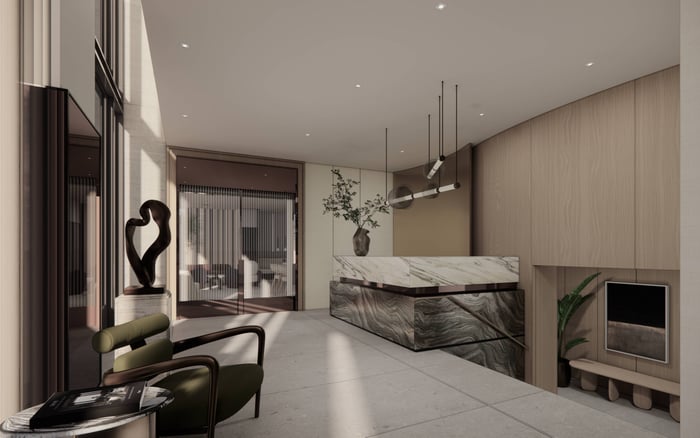
A practical comparison of Alana Bay Harbor Islands and Oceana Key Biscayne through the lens of daily routines, terrace usability, orientation, and long-term ownership fit.
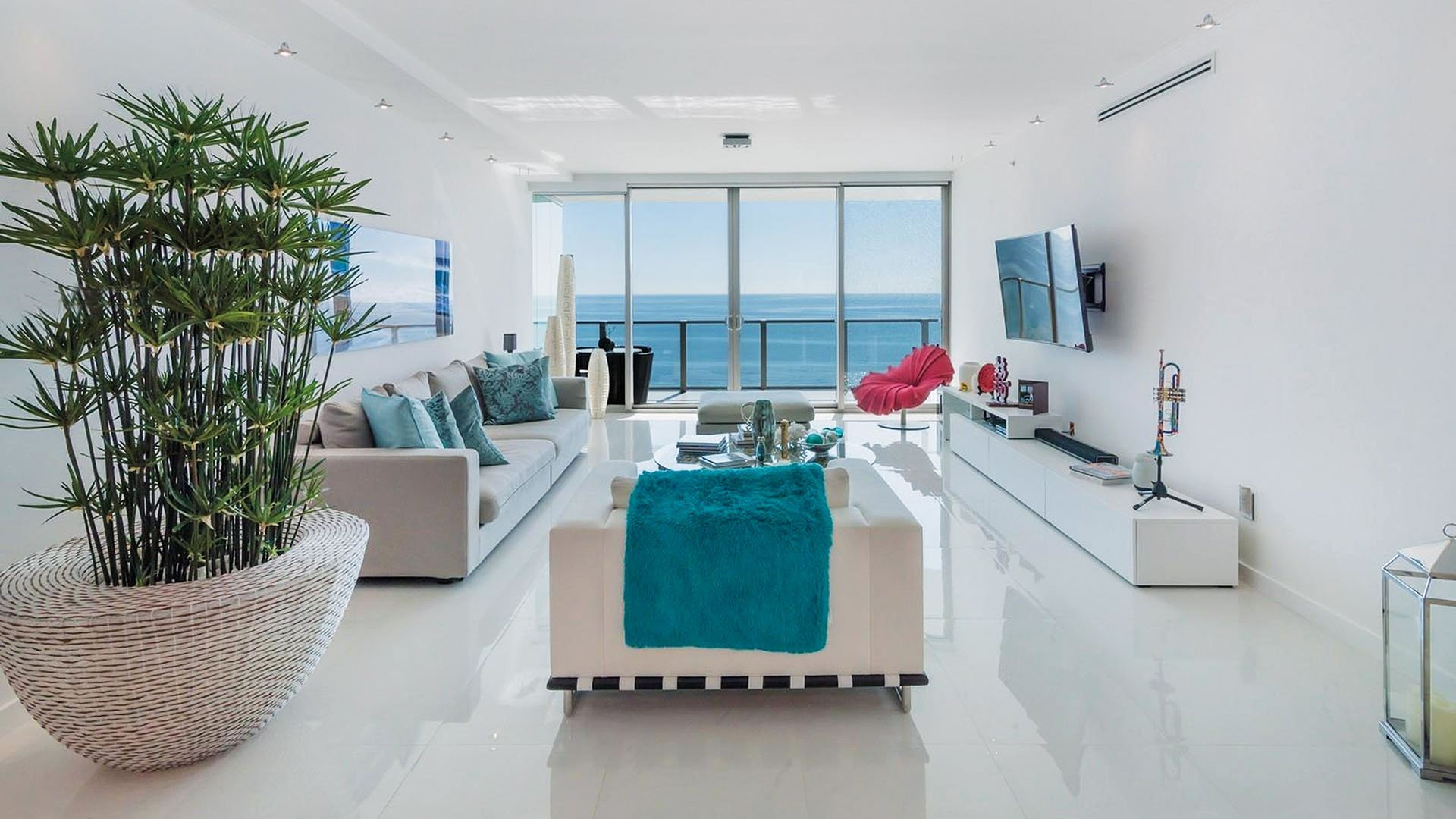
The best South Florida residence is not simply the one with the most dramatic first impression. It is the one that still feels intuitive at 7 a.m., calm at 3 p.m., and generous when evening light changes the mood of a room. That is the right lens for comparing Alana Bay Harbor Islands and Oceana Key Biscayne.
These are not interchangeable addresses. Alana belongs to the Bay Harbor Islands conversation, where neighborhood fabric, floor-plan efficiency, orientation, and the feel of a more intimate island setting shape the ownership experience. Oceana Key Biscayne belongs to a different rhythm, defined by Key Biscayne island life, outdoor time, family use, second-home patterns, and the daily pull of sunrise and sunset.
For a sophisticated buyer, the central question is not only, “Which is more prestigious?” It is, “Which one will support the way I actually live?”
Alana Bay Harbor Islands should be evaluated with a residential, end-user eye. Begin in the kitchen. Is it designed for daily cooking, catered evenings, casual breakfasts, or all three? Does it connect naturally to the living area, or does it create bottlenecks as family and guests move through the residence?
Then study the bedrooms. Privacy, separation, storage, morning light, and acoustic comfort matter more over time than a photogenic arrival moment. A primary suite should feel restful, but secondary bedrooms should also work for children, visiting family, or flexible long-term use.
Work-from-home space deserves equal attention. In a Bay Harbor setting, buyers often want the ability to move between quiet interior focus and neighborhood convenience without feeling isolated. A true work zone does not need to be grand, but it should be placed where calls, light, and circulation do not compete.
Finally, assess the terrace as a real room. Can it hold morning coffee, a laptop, or a quiet dinner without feeling like a decorative ledge? For Alana, the most compelling due diligence is practical: how efficiently does the residence translate square footage into livable, repeatable routines?
Oceana Key Biscayne asks a different set of questions. The Key Biscayne experience is inherently tied to time of day. Morning routines, school or family schedules, weekend outdoor habits, and sunset atmosphere all become part of the ownership equation.
A buyer should walk through the residence mentally from dawn to night. Where would the household gather first? Which rooms receive the most desirable morning feeling? Does the living area support relaxed island life, or does it behave more like a formal showpiece? How does the terrace or outdoor exposure change the mood of the apartment as the day progresses?
For families and second-home owners, this matters deeply. A residence used in intervals must be easy to re-enter. The first evening after arrival should feel natural, not like reopening a complicated machine. Long-term owners should also consider whether the home has enough flexibility to handle changing family patterns, guests, quiet weeks, and high-occupancy holiday periods.
At Oceana Key Biscayne, orientation, massing, amenity placement, and the surrounding island context should be examined together. The strongest choice is the one whose rooms feel coherent from sunrise routines to sunset views.
In both buildings, orientation is not a secondary detail. It influences glare, privacy, heat, view character, and how often outdoor space is actually used. A buyer should ask what the residence feels like at the times they will be home most often, not only during a scheduled showing.
Amenity access also deserves practical review. The question is not simply what amenities exist, but how naturally they fit into daily life. Are they easy to reach? Do they support the household’s routine? Do they enhance privacy, or do they pull activity too close to the residence?
This is where investment thinking becomes more sophisticated. A residence that lives well can be more resilient because its appeal is not dependent on a single view photograph or a market cycle. Livability is a form of value preservation.
Alana Bay Harbor Islands may speak to buyers who want a composed residential base with efficient planning, neighborhood texture, and a quieter daily cadence than larger beachfront districts. The fit is strongest when the floor plan supports everyday rituals without wasted space or performative design.
Oceana Key Biscayne may suit buyers who place a premium on island atmosphere, family continuity, outdoor rhythm, and the emotional difference between morning light and evening calm. The right residence there should not just frame views; it should make daily life feel easier to repeat and more pleasurable to return to.
Neither choice should be reduced to a simple hierarchy. The better residence is the one whose rooms, terraces, access points, and setting align with the buyer’s actual life.
Before making a decision, walk each residence slowly and in sequence. Stand in the kitchen and imagine a weekday morning. Sit in the living room and consider where people naturally gather. Step onto the terrace and ask whether it invites daily use or occasional admiration.
In bedrooms, test privacy and separation. In work areas, think about calls, concentration, and background noise. In circulation spaces, look for efficiency. In amenity areas, consider whether the path from residence to leisure feels effortless.
The most revealing question is simple: after the view has impressed you, does the home still make sense room by room?
Is Alana Bay Harbor Islands comparable to an oceanfront Miami Beach residence? Not directly. It should be considered through the Bay Harbor Islands lifestyle, where neighborhood scale and plan efficiency shape the experience.
What is the main due-diligence focus for Alana Bay Harbor Islands? The focus should be room-by-room livability, including kitchen function, bedroom privacy, work areas, terrace use, and daily circulation.
What is the main due-diligence focus for Oceana Key Biscayne? The focus should be how the residence lives from morning to evening, especially sunrise routines, sunset atmosphere, orientation, and outdoor time.
Why does orientation matter so much in this comparison? Orientation affects light, heat, privacy, view character, and whether terraces and interior rooms feel comfortable at the times owners actually use them.
Is Oceana Key Biscayne better for families? It may be compelling for families who value island rhythm, outdoor life, and long-term continuity, but the specific residence still needs careful review.
Is Alana Bay Harbor Islands better for daily full-time living? It may suit full-time buyers who prioritize efficient planning and neighborhood convenience, provided the chosen floor plan supports their routine.
Should investors care about room-by-room livability? Yes. A residence that functions well for real users can have broader appeal than one relying only on prestige or a single visual feature.
How should a buyer evaluate terrace usability? Consider size, exposure, privacy, furniture potential, wind, glare, and whether the space would be used daily rather than only shown to guests.
What should second-home buyers prioritize at Oceana Key Biscayne? They should prioritize ease of arrival, flexible guest use, outdoor rhythm, and whether the home feels natural after periods away.
What is the simplest way to choose between the two? Choose the residence whose rooms, setting, light, and daily movement match your real habits rather than the one that only photographs best.
For a tailored shortlist and next-step guidance, connect with MILLION.
If branded residences are on your mind — as a home or as an allocation — we would be glad to share what we are seeing, privately.
Begin a quiet conversation