Alana Bay Harbor Islands positions boutique condominium ownership around privacy, mobility, and the quieter residential character of Bay Harbor Islands.
In South Florida luxury real estate, airport access is often treated as a logistical footnote. For Alana Bay Harbor Islands, it becomes more revealing: a lens for understanding the owner the building is designed to serve. The appeal is not simply that a buyer can move through the region with relative ease. It is that ownership here is organized around mobility, privacy, and the desire to live close to Miami’s centers of gravity without surrendering to the scale or tempo of a large urban tower.
Alana Bay Harbor Islands is a condominium project in Bay Harbor Islands, positioned within the boutique-luxury segment of the local market. Its location is central to that positioning. Bay Harbor Islands sits between the mainland and the Bal Harbour and Surfside barrier-island corridor, giving the project a quietly strategic role for buyers who value regional movement as much as residential calm.
That is the real ownership question: who wants this balance enough to choose it over a larger Miami tower, a more touristed beachfront address, or a denser urban environment?
The Alana buyer is not necessarily seeking spectacle. The profile is more nuanced: end-users, pied-à-terre owners, and globally mobile luxury buyers who want a base that can support an active South Florida life. Airport access matters in this context because it aligns with a pattern of ownership that may include frequent travel, seasonal use, business commitments, and family movement across multiple cities.
Rather than framing the home as a static asset, this type of ownership treats the residence as a private point of return. The value lies in being close enough to the broader Miami metro area while maintaining a residential setting that feels more discreet than the region’s most heavily trafficked destinations.
For a second-home buyer, that distinction can be decisive. The ideal residence is not merely beautiful when occupied. It must also be easy to arrive at, easy to leave, and simple to re-enter without friction. In that sense, airport access becomes part of the ownership experience, not just a convenience.
Bay Harbor Islands holds a distinct place on the Miami luxury map. It is proximate to Bal Harbour, Surfside, and the larger metropolitan area, yet its residential tone is quieter than many Miami Beach locations. For buyers who want access without constant exposure, that difference is meaningful.
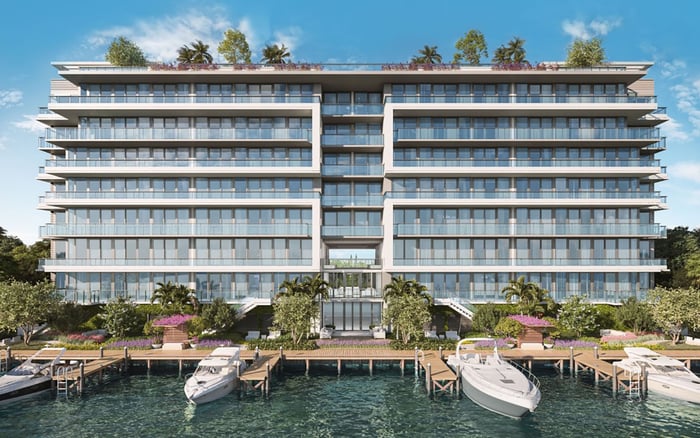
Alana’s market positioning draws strength from this setting. It is presented as an alternative to larger Miami condominium towers, especially for owners who prefer a more intimate residential scale. The boutique appeal is not only about fewer residences or a softer architectural presence. It is about a different relationship to daily life: more neighborhood, less performance.
The Bay Harbor buyer considering Alana is likely weighing privacy as carefully as finishes or amenities. That buyer may want to dine, shop, travel, and entertain across South Florida, but return to an address that feels composed. Alana’s location between the mainland and the oceanfront corridor supports that pattern without needing to overstate it.
Alana fits into a Bay Harbor Islands ownership conversation where boutique condominium product can offer an alternative to larger coastal towers. Buyers are not choosing only between older low-rise residences and major skyline buildings. They may also consider design-forward buildings that compete on lifestyle, privacy, and amenity quality while preserving a more intimate scale.
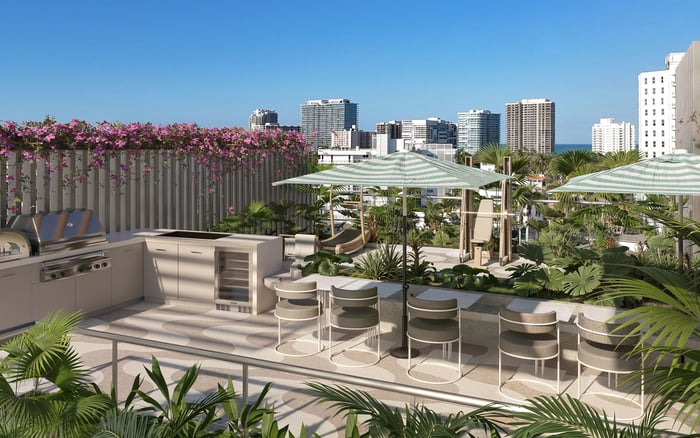
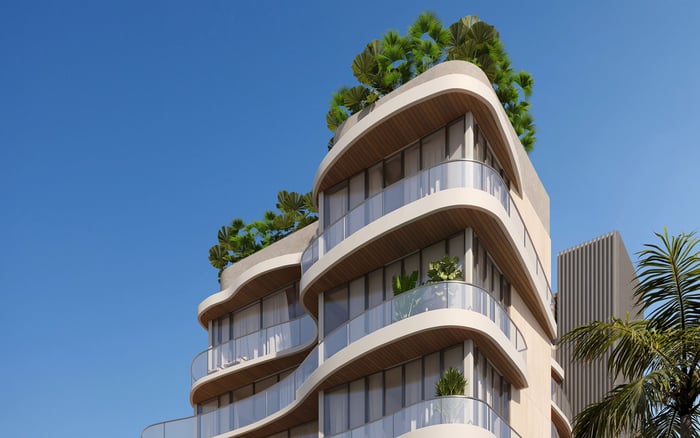
The project’s resort-style residential aesthetic aligns with that position. Terraces, views where available, and amenity spaces are part of the appeal, helping Alana compete with larger luxury buildings while keeping its identity distinct. A terrace may be especially important here because outdoor space translates the area’s quieter setting into a private daily ritual, whether for morning coffee, evening air, or a sense of separation from the city’s pace.
New construction in this context is not only about newness. It is about bringing contemporary luxury expectations into a neighborhood known for residential calm. That combination is why Bay Harbor Islands continues to attract buyers who want modern condominium living without defaulting to the most obvious skyline addresses.
The ownership question behind Alana is less about legal records and more about the likely lifestyle of its residents. This is a building for owners who value mobility but do not want to live inside a transit narrative. They want convenience without the feeling of being in motion all the time.
For end-users, that may mean a primary residence with a quieter rhythm and strong access to nearby destinations. For pied-à-terre buyers, it may mean a polished South Florida base that supports short stays, recurring visits, and easy transitions between travel and home. For globally mobile owners, it may mean an address that feels private enough to protect their downtime while remaining connected enough to justify the investment.
That balance is the defining feature. Alana Bay Harbor Islands is not trying to be the largest or loudest statement in the Miami condominium market. Its proposition is more controlled: a boutique condominium in a strategic island setting, close to the Bal Harbour and Surfside corridor, yet shaped for owners who prioritize discretion.
For buyers comparing South Florida residences, Alana’s relevance depends on how they define convenience. If convenience means direct immersion in a dense urban core, another market may be the better fit. If it means access to the region, proximity to luxury destinations, and a quieter return home, Bay Harbor Islands becomes highly compelling.
The airport-access conversation should therefore be framed as part of a broader lifestyle screen. How often will the owner travel? Will the residence function as a primary home, a pied-à-terre, or a seasonal base? Does the buyer prefer a boutique environment over the scale of a major tower? Is privacy a preference or a requirement?
Alana’s answer is clear: it speaks to buyers who see ownership as a choreography of movement and retreat. The residence is not isolated from Miami. It is positioned to let the owner engage with the city selectively, then step back into a more residential atmosphere.
What is Alana Bay Harbor Islands? Alana Bay Harbor Islands is a condominium project located in Bay Harbor Islands, Florida, within the boutique-luxury segment of the market.
Why is airport access part of the ownership discussion? The project’s location is framed around regional mobility, making it relevant for buyers who travel frequently or use South Florida as a recurring base.
Who is the likely buyer for Alana Bay Harbor Islands? Likely buyers include end-users, pied-à-terre owners, and globally mobile luxury owners who value privacy and access.
How does Bay Harbor Islands shape Alana’s appeal? Bay Harbor Islands offers a quieter residential character while remaining close to Bal Harbour, Surfside, and the broader Miami metro area.
Is Alana positioned as an alternative to large Miami towers? Yes. Alana is presented as an option for buyers who prefer a more intimate residential scale over larger condominium towers.
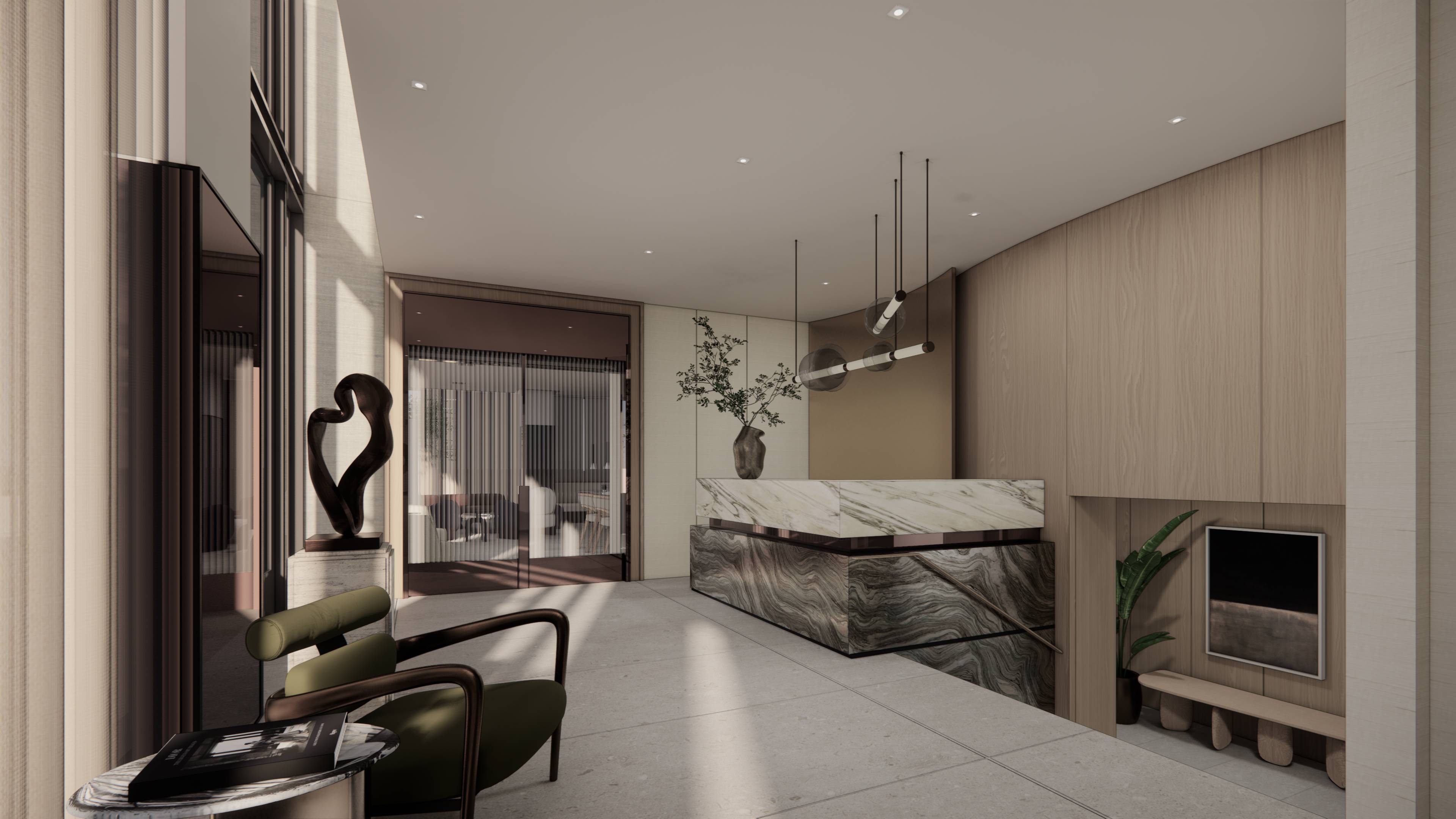
What design qualities are associated with Alana? The project is characterized as design-forward, with a resort-style residential aesthetic and amenity spaces intended to compete with larger buildings.
Does Alana include outdoor living features? The project is associated with terraces and views where available, supporting the indoor-outdoor lifestyle many South Florida buyers seek.
What does boutique mean in this context? Boutique refers to a more intimate luxury residential scale, with a quieter ownership experience than many larger Miami condominium buildings.
Why are Bal Harbour and Surfside relevant? Alana’s proximity to Bal Harbour and Surfside strengthens its location value for buyers who want access to nearby coastal destinations.
How should buyers evaluate Alana against other South Florida residences? Buyers should consider whether they value boutique scale, privacy, regional mobility, and a quieter return home more than the energy of a dense urban tower.
If you'd like a private walkthrough and a curated shortlist, connect with MILLION.
If branded residences are on your mind — as a home or as an allocation — we would be glad to share what we are seeing, privately.
Begin a quiet conversation