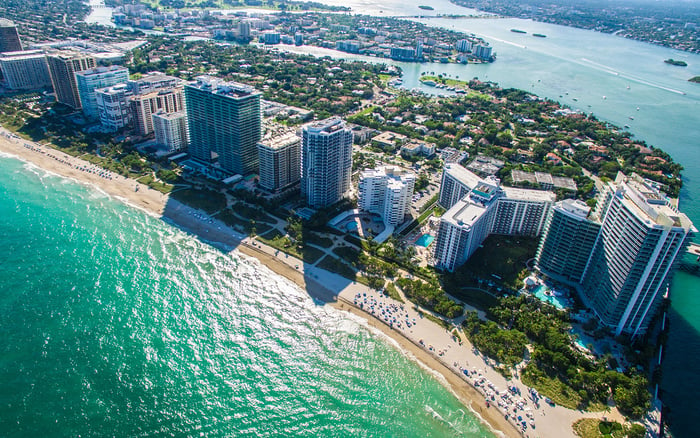
For buyers relocating from Austin, Bal Harbour's polished coastal setting should be paired with rigorous technical due diligence. The decisive questions concern utility feeds, generator scope, backed-up circuits, telecom diversity, and the practical ability to work through a severe weather disruption.
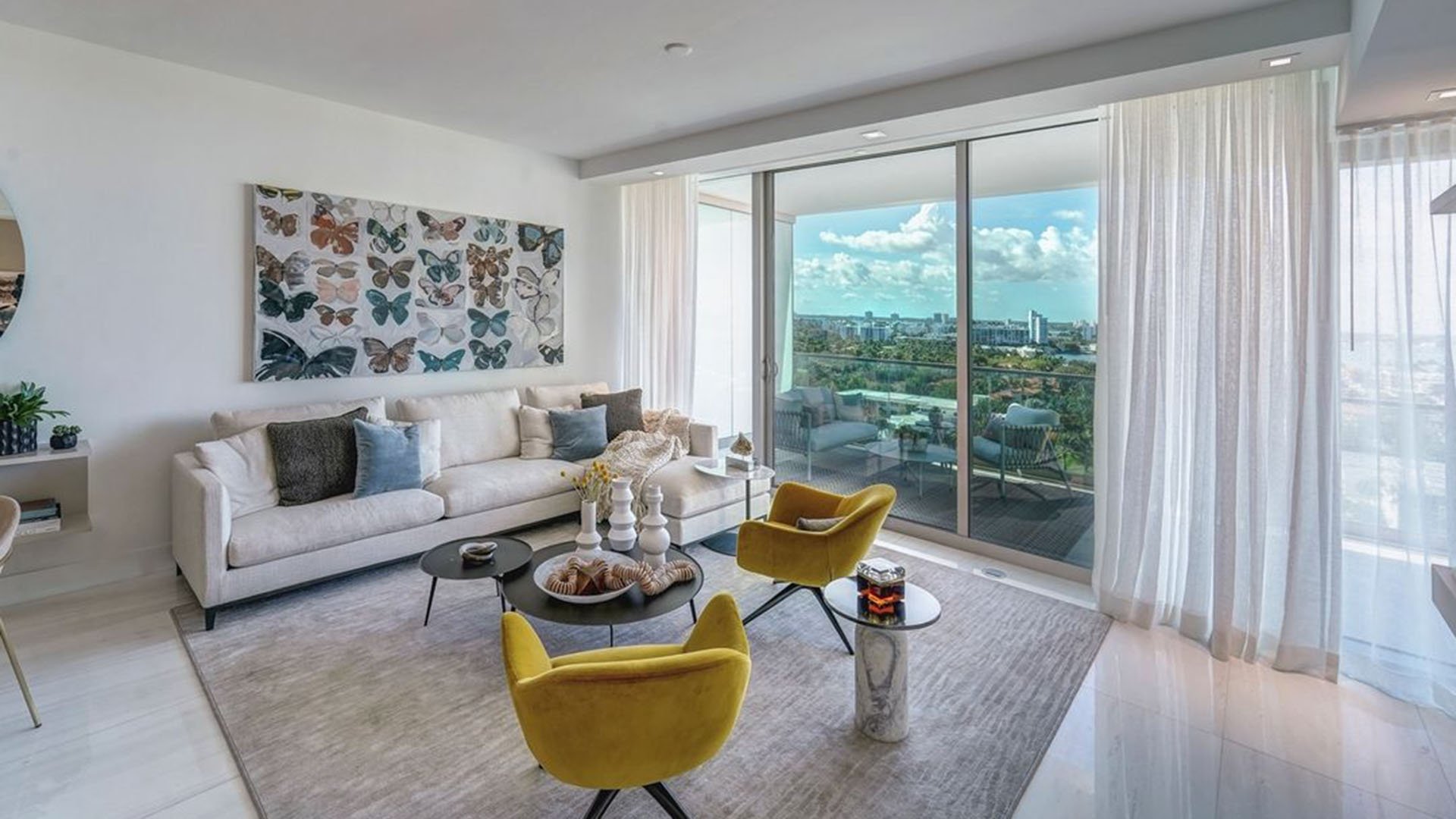
For an executive leaving Austin for Bal Harbour, the home search may begin with privacy, ocean views, service, and architectural finish. Yet the residence may also need to function as a boardroom, broadcast studio, secure document center, and operational base. That raises the standard of due diligence. A serene office is not fully resolved if its internet relies on a single physical path or if emergency power serves only life-safety systems and common areas.
The relevant luxury is not merely connectivity, but continuity under stress.
A severe weather event can expose dependencies that are easy to overlook during a showing. Power, connectivity, building access, cooling, water management, and communications may not recover on the same timetable. A buyer therefore needs a property-specific plan rather than a general assumption about regional infrastructure.
For a second-home owner, this matters even when the residence is not occupied year-round. Climate control, refrigeration, security, leak detection, access systems, communications equipment, and remote monitoring may each have different dependencies. The buyer's task is to understand those dependencies before a disruption-not after an alert arrives.
A generator is not a complete answer. Buyers should request its current specifications, fuel type, tested load, maintenance history, recent test records, and the association's operating assumptions. They should determine which elevators, pumps, access controls, cooling components, garage systems, common areas, and residential circuits receive emergency power. The distinction between life-safety coverage and meaningful in-unit continuity is fundamental.
The inquiry should then move upstream. Buyers should verify how utility service reaches the property, identify any exposed segments, and understand whether the building has more than one meaningful dependency between the local network and the residence. A tower's age, price, or architectural stature cannot establish its resilience.
A buyer considering Oceana Bal Harbour or Rivage Bal Harbour should ask management and qualified engineers the same disciplined questions. Project positioning cannot substitute for condominium records, engineering documentation, association budgets, and physical inspection.
The strongest plan uses layers, each with a defined purpose. Short-duration battery backup can protect network equipment and allow computers to shut down in an orderly manner. A larger battery system may support selected office loads, subject to building rules, professional design, installation constraints, and realistic runtime calculations. Building emergency power may provide another layer, but only when the relevant in-unit circuits are confirmed in writing.
Begin with a load schedule. Separate essential work functions from convenience loads, then calculate the demand and desired duration for routers, firewalls, computers, displays, lighting, mobile devices, and any necessary cooling. Include startup loads where relevant. The objective is not to power every feature indefinitely. It is to preserve communications, protect equipment, and create time for an orderly relocation if conditions deteriorate.
In an oceanfront home, technical equipment also requires appropriate placement, ventilation, surge protection, moisture awareness, and service access. A beautiful installation should remain inspectable and maintainable.
Two internet subscriptions do not necessarily provide two independent connections. Different retail providers may share a conduit, building entry point, riser, local node, or upstream route. Buyers should request a clear account of how each service reaches both the property and the residence. The essential question is whether a single physical failure can disable both.
A resilient office can combine primary wired broadband, a genuinely separate secondary provider where available, cellular failover, and correctly sized battery support for the modem, router, switches, Wi-Fi access points, and security hardware. Test automatic failover during a live video call. Confirm that the backup can support the household's actual workload, not merely send an email.
The same framework applies when broadening the search to nearby waterfront options such as The Delmore Surfside and The Well Bay Harbor Islands. These links identify residences to consider, not verified claims about their power or telecom systems. Every property requires its own documentary and technical review.
Before making a commitment, request evidence rather than broad assurances. The review should cover:
The utility feed from the neighborhood network to the building, including any exposed segments.
Generator capacity, current backed-up loads, fuel assumptions, testing frequency, and maintenance records.
Exact emergency circuits serving the proposed residence, if any.
Telecom providers, physical entrances, risers, shared pathways, and cellular reception in the office location.
Association budgets, reserves, planned capital work, engineering reports, and rules affecting batteries or equipment.
Recent incident logs documenting how power, access, elevators, pumps, cooling, and communications performed during disruptions.
A qualified electrical professional can map critical loads and assess surge protection. A network specialist can test signal quality, failover behavior, and provider diversity. Condominium counsel can review governing documents and the association's authority over installations. Insurance advisers can address equipment, water, wind, and business-use considerations within the appropriate policies.
The final test is operational. Model a brief interruption, an overnight outage, and a multi-day regional event. Determine what remains powered, how long each layer is expected to run, when work moves elsewhere, and who can access the residence if the owner is away. Keep essential contacts and procedures available offline. Schedule periodic tests rather than assuming new equipment will perform as intended.
Bal Harbour offers the discretion and coastal composure that draw buyers from Austin and other business centers. The more consequential purchase question, however, is whether the residence can sustain the owner's real life when ordinary infrastructure comes under exceptional pressure. Resilience should be documented, tested, funded, and incorporated into the design brief from the outset.
For discreet guidance on selecting and evaluating a resilient South Florida residence, connect with MILLION.
If branded residences are on your mind — as a home or as an allocation — we would be glad to share what we are seeing, privately.
Begin a quiet conversationA severe weather event can interrupt power, connectivity, access, cooling, and other systems. Home-office planning should account for those dependencies before a disruption occurs.
No. Buyers must verify generator capacity, backed-up loads, fuel assumptions, testing history, and which in-unit circuits, if any, receive emergency power.
The route between the local network, building, and residence can contain exposed or shared dependencies. Buyers should confirm the actual configuration rather than infer resilience from a building's age or prestige.
Include routers, firewalls, computers, displays, lighting, mobile devices, and any essential cooling. Calculate both demand and the desired operating duration.
No. Providers may share a conduit, entry point, riser, local node, or upstream route, leaving both vulnerable to one physical failure.
A practical plan can combine primary wired service, a physically diverse secondary connection where available, cellular failover, and battery backup for network equipment.
Trigger the failover during a live video call and confirm that the backup supports the household's actual workload. Repeat the test periodically.
Review engineering reports, association budgets, reserves, generator test records, incident logs, planned capital work, and rules governing batteries or technical equipment.
Scenario planning reveals expected runtimes, critical dependencies, relocation thresholds, and access arrangements if the owner is away.
Electrical and network professionals can assess loads, surge protection, connectivity, and failover. Condominium counsel and insurance advisers can review governing documents and relevant coverage considerations.