A practical Sunny Isles Beach condo comparison should weigh unit size, total price, floor, view line, and the depth of the likely resale audience rather than relying on brand prestige alone.
Resale liquidity is the ability to attract a credible pool of buyers within a seller’s preferred timeframe and pricing strategy. In Sunny Isles Beach, prestige can support demand, but a recognizable name does not make every residence equally liquid. Layout, total price, floor, exposure, condition, and competing inventory all shape the eventual exit.
The strongest candidate is usually not simply the most expensive or visually dramatic home. It is a residence that remains distinctive while still offering practical appeal to more than one type of buyer. That can mean an efficient layout, a usable bedroom count, a desirable but defensibly priced view, or a position within a building that gives purchasers meaningful alternatives.
A strong resale choice balances distinction with a buyer pool broad enough to support the eventual exit.
Any ranking should therefore be treated as unit-specific rather than absolute. A well-positioned residence in one tower can offer a clearer resale proposition than an unusually configured home in another, even when the second building carries greater prestige.
Several branded and luxury projects merit comparison when evaluating new-construction and recent-generation residences in Sunny Isles Beach. The following shortlist is a starting point for unit-level analysis, not a guarantee of future performance.
Armani/Casa Residences
Armani/Casa belongs in the comparison because buyers evaluating branded oceanfront residences often consider design identity alongside layout, exposure, and total cost. The relevant question is not whether the brand is recognizable, but whether a particular residence offers a configuration and asking position that future buyers can readily compare with available alternatives.
The Ritz-Carlton Residences® Sunny Isles
This project should be assessed through its individual stacks, floor positions, layouts, and exposures. Buyers focused on resale should examine how many comparable residences could compete with their preferred unit and whether its distinguishing features justify any premium.
The Estates at Acqualina
Larger trophy residences can offer exceptional privacy and presence, but rarity and liquidity are not interchangeable. A highly specialized home may appeal strongly to a narrow audience, making realistic pricing and a flexible resale horizon particularly important.
Bentley Residences Sunny Isles
A differentiated branded concept can create attention, yet buyers should separate marketing distinction from demonstrated resale depth. Contract terms, project status, future competing inventory, and the eventual pool of purchasers all require current professional review before liquidity assumptions are made.
St. Regis® Residences Sunny Isles
Brand recognition may help a residence enter a buyer’s consideration set, but the unit itself must still support the exit strategy. Layout efficiency, carrying costs, exposure, floor premium, and competition from other branded properties should be reviewed together.
Square footage alone does not determine liquidity. The more consequential measure is often total price relative to the residence’s practical usefulness. Two similarly sized homes can attract different audiences if one has a more efficient layout, better bedroom separation, stronger outdoor usability, or a price that aligns more naturally with comparable choices.
Smaller residences may appeal to buyers seeking a South Florida second home with simpler upkeep. Larger homes may suit purchasers prioritizing primary-residence functionality, privacy, or extended-family use. Neither category is inherently more liquid. The better option is the one whose design and total cost correspond to a recognizable segment of the market.
Buyers should also look for unusual features that could either strengthen or narrow future demand. Oversized entertainment areas, highly customized rooms, staff spaces, or unconventional bedroom arrangements can be valuable to the right purchaser while making comparisons more difficult. A flexible floor plan generally gives a future seller more ways to present the residence.
Higher floors can provide privacy, broader horizons, and separation from street-level activity. Those qualities may support a premium, but the premium must remain connected to what buyers can obtain elsewhere in the same building or nearby towers. Paying substantially more for elevation can weaken the resale case if future purchasers view a lower-floor alternative as an acceptable substitute.
A floor comparison should control for more than height. Interior condition, terrace depth, ceiling character, layout, furnishings, and the quality of the exposure can materially affect perceived value. Buyers should compare like with like whenever possible and avoid relying on a building-wide average to value a specific residence.
The number of close substitutes matters as well. A unit can face direct competition from the same stack, a mirrored layout, or a residence in another tower with a similar total price and view. Understanding those alternatives before purchasing can help clarify how distinctive the home is likely to remain at resale.
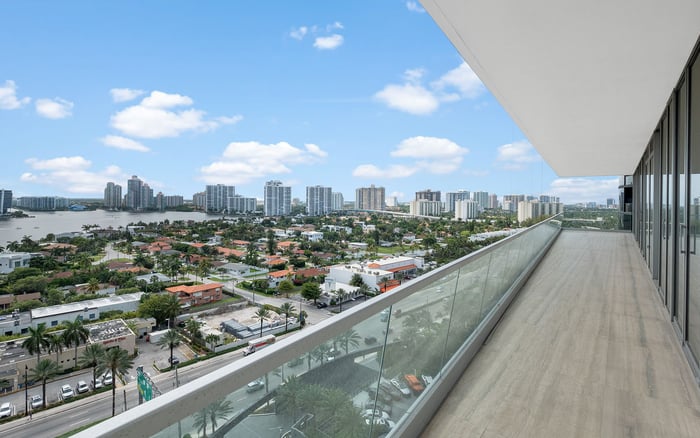
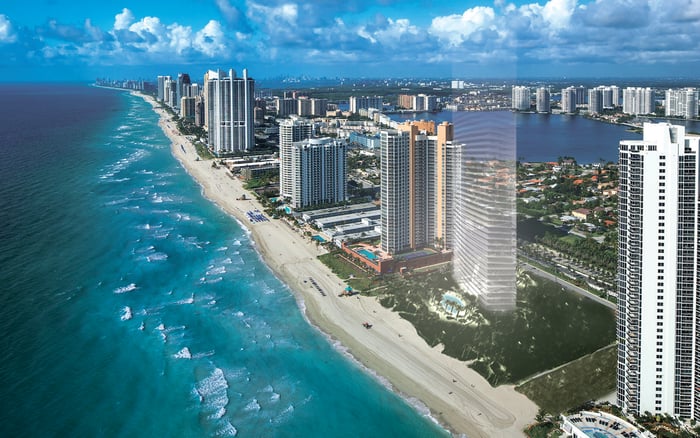
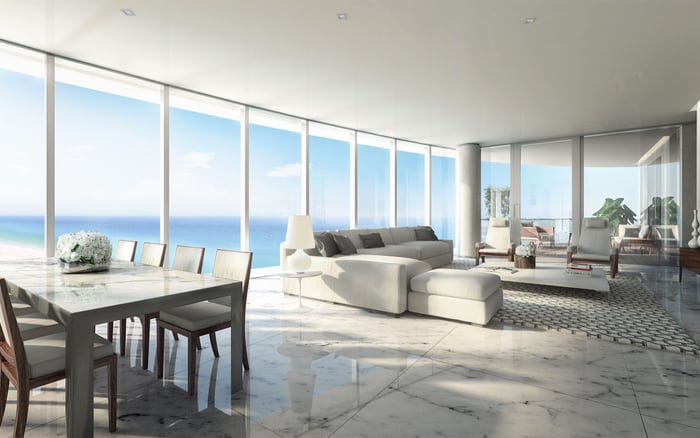
View labels can oversimplify meaningful differences. A direct-ocean exposure, angled water view, Intracoastal outlook, or city-facing panorama can each appeal to a different buyer. The quality of the view should be assessed from the primary living areas, bedrooms, and terraces rather than inferred from a marketing description.
Durability is equally important. Buyers should consider whether nearby development, landscaping, architectural elements, or neighboring structures could affect the outlook. Any conclusion about future view protection requires independent verification because conditions can change.
Orientation also influences the lived experience. Natural light, sunrise or sunset preference, glare, shade, and terrace comfort can matter as much as the nominal direction. A view premium is most defensible when the exposure improves daily use and remains easy for future buyers to understand.
A completed residence can be evaluated through physical inspection and available building history. A project that has not reached that stage requires a different process, with greater attention to offering materials, contracts, timelines, specifications, and potential changes. Buyers should verify current status directly through appropriate professional channels rather than relying on older marketing descriptions.
Resale evidence should also be interpreted carefully. An asking price shows seller intent, not an established market result. A closed transaction may still differ from the target residence in floor, line, condition, size, or timing. The most useful analysis groups genuinely comparable homes and explains adjustments instead of treating every sale in a tower as equivalent.
For a future seller, the central issue is price discovery. Residences with several relevant comparables may be easier to position, while singular homes can require a more tailored strategy. Distinction can support value, but it may also reduce the number of transactions available to guide pricing.
Before selecting a residence, define the likely hold period and the circumstances under which a sale might occur. A buyer with a flexible horizon can approach a specialized trophy property differently from someone who may need a broader resale audience. The intended use of the home should remain compatible with that exit plan.
Review the exact stack, layout, floor, exposure, terrace, condition, and total acquisition cost. Then identify the closest substitutes within the building and across Sunny Isles Beach. This exercise reveals whether the proposed premium is tied to features that another buyer is likely to recognize or primarily to personal preference.
Finally, evaluate the ongoing ownership burden and any transaction-specific considerations with qualified advisers. Building documents, association information, insurance matters, financing conditions, contract provisions, and current inventory can all affect a buyer’s decision. These items require current due diligence and should not be assumed from a project’s brand or general reputation.
For private guidance on comparing Sunny Isles Beach residences by unit size, floor, view line, and resale positioning, consult MILLION.
If branded residences are on your mind — as a home or as an allocation — we would be glad to share what we are seeing, privately.
Begin a quiet conversationIt refers to a residence’s ability to attract a credible buyer pool within the seller’s preferred timeframe and pricing strategy.
No. Brand recognition can support consideration, but layout, total price, exposure, condition, and competing inventory remain important.
Unit size matters through total cost and practical usefulness. The strongest fit is a layout that corresponds to a recognizable buyer segment.
No. A higher floor may command interest, but an excessive premium can make lower-floor alternatives more competitive.
They should evaluate the outlook from primary rooms and terraces while comparing direct-ocean, angled-water, Intracoastal, and city exposures.
The stack determines layout, orientation, and the closest competing residences. Building-wide averages may conceal those differences.
Yes. A highly specialized home can be desirable while appealing to fewer purchasers because of its configuration or total cost.
Asking prices indicate seller expectations rather than completed market results. They should be considered alongside genuinely comparable closed transactions when available.
Buyers should verify current project status, contract terms, specifications, timelines, and competing inventory through appropriate professional channels.
Start with the likely hold period, then compare the exact unit’s layout, total cost, floor, view, and closest alternatives.