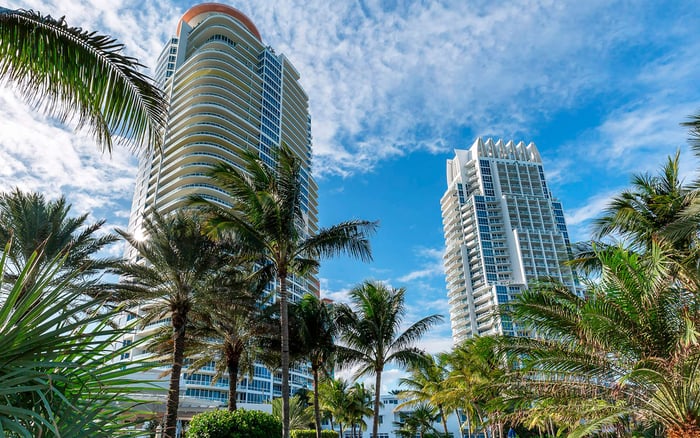
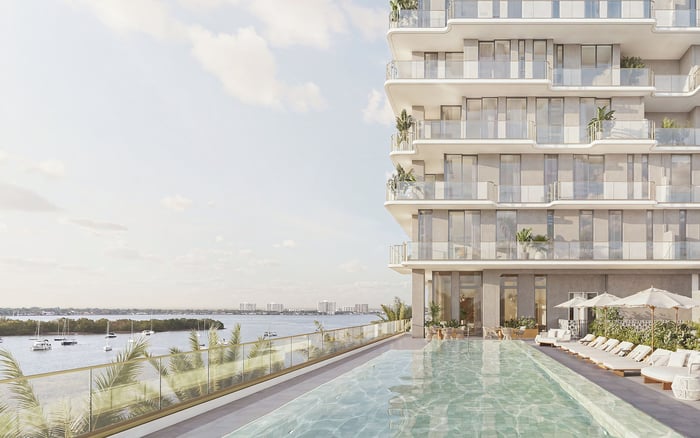
A discreet buyer’s guide to coordinating a South Beach second-home purchase from Hong Kong, with clear distinctions between closing cash, lender reserves, insurance confirmation, title diligence, and contractual protections.
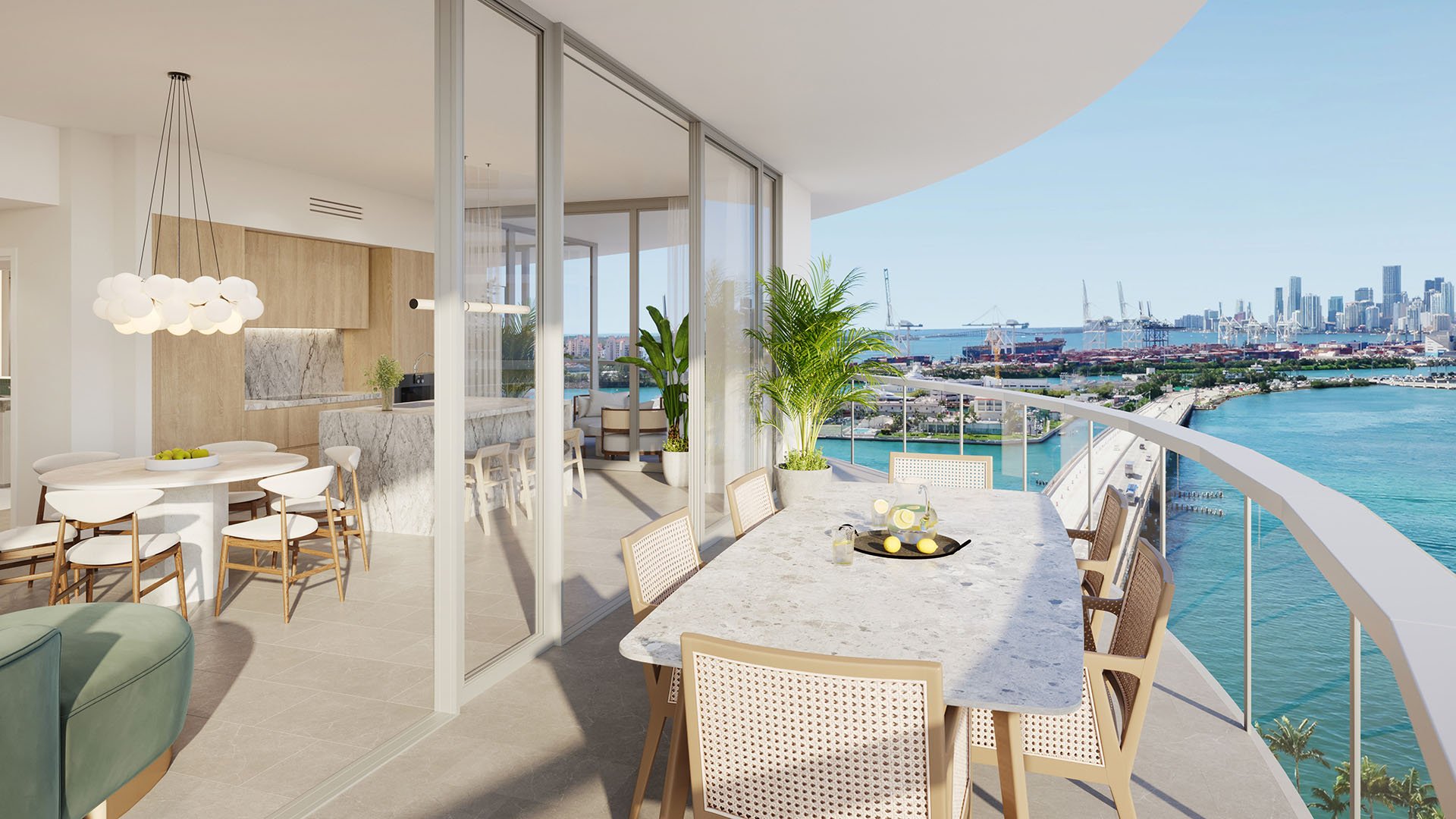
For a Hong Kong buyer considering a South Beach residence, the most consequential decisions extend beyond the floor plan. A successful purchase requires coordinated planning for cash, insurance, title, and financing, with each obligation tied to the signed contract-not assumptions about local practice.
Whether the search centers on Apogee South Beach or another address, the discipline is the same: distinguish the appeal of the home from the conditions required to acquire it. A residence may suit your lifestyle while its closing arrangements still need substantial clarification.
Treat the transaction as four connected workstreams. Your closing professional should reconcile the money; your insurance adviser should clarify coverage and binding; your attorney should review title and contractual protections; and your lender should identify unresolved financing conditions. When coordinating from Hong Kong, ask the team to consolidate decisions and deadlines into one written schedule.
An initial closing-cost planning range of 2-4% of the purchase price can help establish liquidity beyond the down payment. It is neither a quote nor a ceiling, and it cannot replace an itemized transaction budget. Title insurance, mortgage taxes, lender fees, and attorney fees can all contribute to the total.
Keep three amounts distinct: the equity needed to purchase, the cash needed for transaction expenses, and any liquidity the lender requires you to retain after closing. The 2-4% range covers expenses. It does not establish a post-closing reserve requirement, particularly where the borrower’s underwriting circumstances require individual confirmation.
The final budget may also include prepaid interest, tax prorations, association charges, insurance, inspections, survey work, and lender-required escrows. Ask which amounts are estimates, which are confirmed, and which still depend on the closing date.
A cash purchase generally avoids mortgage documentary stamps, mortgage intangible tax, lender underwriting charges, and lender’s title-policy charges. It does not eliminate title review, owner’s title insurance, recording expenses, or other applicable closing items. Cash simplifies the financing component-not the entire acquisition.
Miami-Dade deed documentary-stamp tax is $0.60 for each $100, or portion thereof, of consideration. Transfers other than single-family residences carry an additional county surtax of $0.45 for each $100. Property classification therefore matters when estimating deed tax.
The seller often pays deed documentary-stamp tax, but custom does not override the contract. Have counsel confirm the allocation before including the charge in your buyer budget. Keep taxes on the property transfer distinct from taxes on its financing.
For a financed acquisition, mortgage documentary-stamp tax is $0.35 for each $100 of the loan amount, generally paid by the borrower at closing. Florida’s nonrecurring intangible tax adds 0.2% of the mortgage amount.
On a $2.5 million mortgage, those two taxes total $13,750: $8,750 in documentary stamps and $5,000 in intangible tax. That figure excludes title premiums, lender charges, recording costs, and prepaids. Request a separate line for each charge so that financing comparisons do not obscure the cost of borrowing.
Owner’s title insurance is customarily a buyer expense in Miami-Dade, although the signed contract determines responsibility. Florida title-insurance premiums are regulated. Base rates begin at $5.75 for each $1,000 of the first $100,000 and $5.00 for each $1,000 from $100,000 to $1 million, with lower tiers above that level.
Ask the closing professional for the applicable premium calculation rather than extending either initial rate across a multimillion-dollar purchase. Recording charges are separate items and should remain visible in the closing estimate.
More importantly, receiving a title commitment does not confirm that every issue has been resolved. Counsel should investigate liens, unpaid taxes, easements, restrictions, and other exceptions, then explain what must be addressed before closing and what would remain afterward.
For a buyer evaluating Continuum on South Beach, as for any condominium purchase, the question is not simply whether a title document has arrived. It is whether the exceptions and obligations have been reviewed for the specific property being acquired. Request a plain-language summary of unresolved items before authorizing the next transaction milestone.
Condominium diligence extends beyond the residence itself. Association finances, assessments, litigation, insurance, building documentation, and use restrictions belong in the review. Each can matter to the ownership budget and your intended second-home lifestyle.
When considering Five Park Miami Beach, apply the same document-led approach rather than assuming the address alone answers operational questions. Ask counsel to establish which materials apply to the transaction and which questions remain outstanding.
For a home occupied intermittently, clarify the use restrictions relevant to your plans. Do not assume occasional letting, guest access, or other arrangements are permitted without examining the applicable documents. Keep association charges and any identified assessments separate from the preliminary closing-cost percentage.
Treat an insurance estimate as a budgeting input, not confirmation that coverage is in place. Ask the insurance adviser to explain what must happen for coverage to be bound, the intended effective date, and the evidence the closing team or lender expects to receive.
For a Miami Beach condominium, review association insurance alongside the coverage proposed for your ownership interest. Clarify coverage scope, deductibles, exclusions, and any flood-insurance requirement applicable to the selected insurer or lender. Do not assume one insurer’s requirement applies universally.
A search that includes Setai Residences Miami Beach still calls for transaction-specific insurance confirmation. Neither a premium nor a binding timetable should be presumed from the project name. Ask your advisers to identify unresolved insurance conditions while there is still time to address them within the contract’s deadlines.
Do not treat a preliminary financing indication as the answer to every closing question. Ask the lender to specify the documents, property review, insurance evidence, and any post-closing liquidity required for your application. As a Hong Kong-based buyer, request explicit guidance on any additional documentation rather than assuming a standardized foreign-buyer process.
Counsel should separately explain the financing contingency: what it covers, when action or notice is required, and what the contract provides if financing remains unresolved. Do not presume an automatic extension, cancellation right, or deposit refund.
Before committing to closing, reconcile the latest cash figures, title items, association questions, insurance confirmation, and lender conditions in one review. The objective is not merely to reach a date, but to understand what has been resolved and which obligations you are accepting.
Explore South Beach second-home possibilities with MILLION.
If branded residences are on your mind — as a home or as an allocation — we would be glad to share what we are seeing, privately.
Begin a quiet conversationA planning range of 2–4% of the purchase price can help establish cash beyond the down payment. Replace that estimate with an itemized transaction budget before closing.
No. Closing-cost funds pay transaction expenses, while lender-required reserves concern liquidity retained after closing and must be confirmed with the lender.
Mortgage documentary stamps total $8,750 and the nonrecurring intangible tax totals $5,000. Together they amount to $13,750 before other closing charges.
The seller often pays it, but the purchase contract can allocate the charge differently. Confirm responsibility in the signed agreement.
Miami-Dade charges $0.60 for each $100, or portion thereof, of consideration, with an additional $0.45 surtax for transfers other than single-family residences. Confirm the classification when estimating the charge.
No. Cash generally avoids mortgage taxes and lender-related charges, but title, recording, and other applicable transaction expenses remain.
No. Counsel should review liens, unpaid taxes, easements, restrictions, and other exceptions, including what must be resolved and what would remain after closing.
Review association finances, assessments, litigation, insurance, building documentation, and use restrictions. The review should address the intended use of the residence as well as ownership expenses.
Ask what is required to bind coverage, when it will become effective, and what evidence the lender or closing team needs. Confirm any applicable flood-insurance requirement for the selected insurer or lender.
Do not assume it does. Counsel should explain the protection, deadlines, notice requirements, and remedies provided by the specific contract.