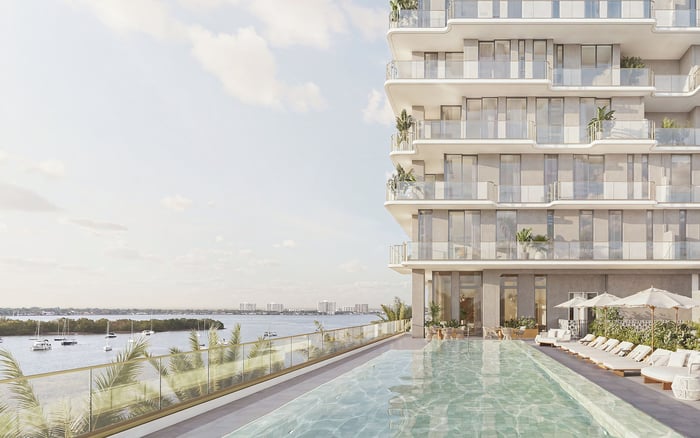
A South Beach residence deserves the same precision as the portfolio behind it. Plan for title coverage, property-specific carrying costs and adviser-led decisions about liquidity, ownership and family succession before closing.
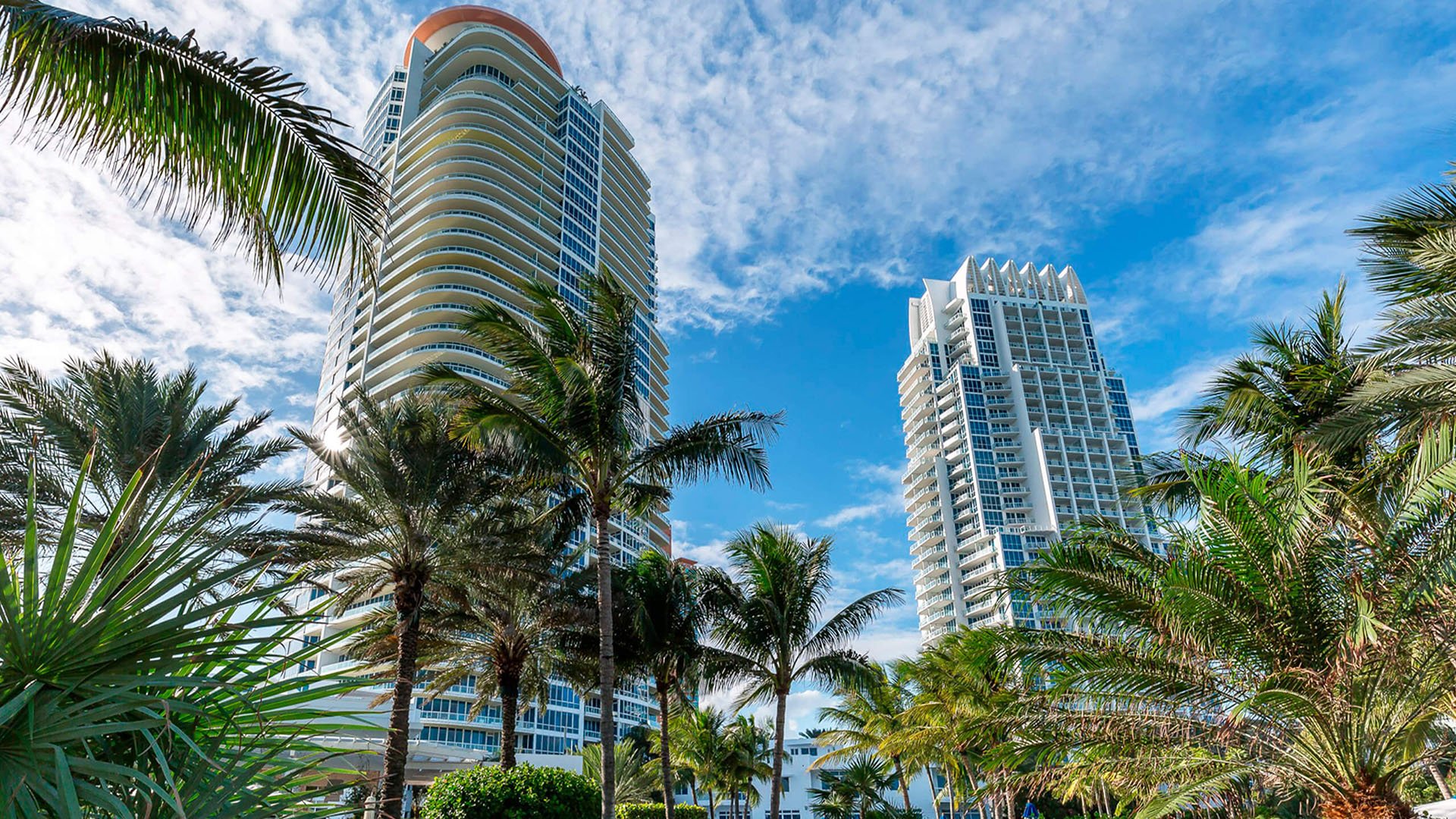
For a Hamptons household establishing a South Beach base, the purchase is more than a change of scenery. It is a chance to decide how another residence fits into the family’s calendar, balance sheet and longer-term intentions. The view may lead the search; the ownership and operating plan should guide the closing.
Start by separating four decisions: how to fund the acquisition, how to insure title, how to align family intentions with legal documents, and how to pay for the residence over time. A property should be comfortable to own, not merely comfortable to occupy.
Whether the shortlist includes Apogee South Beach or another residence, establish that framework before committing to a particular unit. The aim is not to standardize the family’s affairs. It is to identify which questions need property-specific answers and which require Florida counsel working alongside existing tax and estate advisers.
Treat the purchase price and ongoing liquidity as separate planning conversations. Before committing funds, ask advisers what resources should remain available for closing, recurring residence expenses and unexpected demands. There is no universal reserve amount; the appropriate figure should reflect the buyer’s actual obligations and preferences.
Estate planning makes those questions more precise. If the intended payer dies or becomes unable to manage payments, who would have authority to act? Which funds would be accessible, and on what timetable? Would paying residence expenses depend on selling another asset? Ask counsel to evaluate those scenarios rather than assuming substantial net worth resolves them.
Bring a draft residence budget to that discussion. Ask the estate and tax team to distinguish intended liquidity from legally accessible liquidity and explain any steps needed to make the plan workable. This is a coordination exercise, not a recommendation for a particular trust, entity or financial product.
Title insurance protects owners or lenders against losses arising from defective or invalid title, liens and other legal claims against the property’s title. The premium is generally paid once at closing, rather than through annual renewals. Keep that expense separate from recurring insurance entries in the residence budget.
Florida title-insurance premiums are established under Rule 69O-186.003. For an original owner’s policy, the rate is $5.75 per $1,000 for the first $100,000 of coverage, then $5.00 per $1,000 above $100,000 through $1 million. Lower rates apply in higher coverage bands. The minimum premium for an original owner’s or leaseholder policy is $100.
For a luxury acquisition, do not extrapolate the first two bands across the full coverage amount. Request a calculation showing the applicable tiers. Ask the title professional to explain the proposed insured parties, coverage and exceptions, and have counsel review whether they fit the intended ownership arrangement.
A qualifying prior policy may allow reissue rates of $3.30 per $1,000 for the first $100,000 and $3.00 per $1,000 above that amount through $1 million. Florida also provides simultaneous-issue pricing when owner’s and lender’s policies are issued together. Neither possibility should be assumed without transaction-specific confirmation.
A regulated title premium does not establish the total closing bill. Florida does not fix the amount charged for title-agency closing services, although the charge must cover the actual closing-related costs, fees or charges the agency must pay. The agent’s portion of the title premium and title-agency fees may be negotiated despite the state-established premium schedule.
Request an itemized estimate separating the insurance premium from closing-service charges and other transaction costs. Ask which reductions, if any, have been applied. Compare estimates using the same coverage and service assumptions.
When evaluating Continuum on South Beach, for example, use the actual transaction documents and proposed ownership details to obtain that estimate. A project name is a starting point for the search, not a substitute for a unit-specific closing calculation.
Before deciding how to hold title, ask Florida counsel and the existing estate team to review the intended family outcome together. Should the residence be retained for shared use, made available to one beneficiary, or sold when circumstances change? Who is expected to pay expenses if family members use it differently?
Turn those intentions into questions for document review rather than leaving them as informal assumptions. Ask whether the proposed deed, any trust or entity documents, and relevant beneficiary arrangements work together as intended. Counsel should explain any implications for succession, authority, homestead considerations and the household’s broader estate plan.
For a family considering Five Park Miami Beach, the practical brief might identify anticipated users, responsibility for payments and the preferred response if one person wants to sell. Ask advisers which intentions belong in legal documents and which are better addressed through a separate household operating plan.
No single annual carrying-cost figure can serve as a supported benchmark for every South Beach luxury residence. Build a worksheet requesting property-specific taxes, association charges, insurance quotes, utilities, maintenance, management and any financing expense. Separately request details of existing or proposed assessments and planned work. These are diligence categories, not a prediction that every charge applies.
An October 2, 2026 Miami Beach citywide listing sample showed a median monthly-equivalent condo fee of $1,130 across 1,586 retained active listings after exclusions and percentile trimming. That figure is neither South Beach-specific nor a forecast for a particular property. It is also not a complete operating budget.
Likewise, the Miami Beach FY 2026 tax illustration concerns existing homesteaded properties that were not sold or improved during the preceding year. Do not use it to forecast taxes on a newly purchased luxury residence. Request a purchase-specific estimate and ask advisers to explain its assumptions.
For a prospective purchase at Setai Residences Miami Beach, request the current unit-level charges and a clear account of what they include before budgeting separately for services. Distinguish recurring expenses from one-time acquisition and setup costs, and identify which figures remain estimates.
Before closing, assemble the itemized settlement estimate, title materials, counsel’s ownership instructions, estate-planning questions and residence budget in one file. Assign responsibility for resolving each open item. After closing, maintain a payment calendar and contact list so the operating plan remains useful when the family is elsewhere.
The objective is straightforward: preserve the pleasure of a South Florida base by giving its financial and family arrangements the same attention as its interiors.
Explore South Beach residences with MILLION as you shape a purchase around your household’s priorities.
If branded residences are on your mind — as a home or as an allocation — we would be glad to share what we are seeing, privately.
Begin a quiet conversationSeparate acquisition funding, title coverage, family ownership intentions and ongoing expenses. Use that framework to identify questions for Florida counsel and existing tax and estate advisers.
It protects property owners or lenders against losses arising from defective or invalid title, liens and other legal claims against the property’s title. Ask the title professional to explain the proposed coverage and exceptions.
Title insurance generally involves a one-time premium paid at closing rather than an annual renewal premium. Budget it separately from recurring residence insurance expenses.
The rate is $5.75 per $1,000 for the first $100,000 of coverage and $5.00 per $1,000 above $100,000 through $1 million. Lower rates apply in higher bands, so request a tiered calculation for a luxury purchase.
A qualifying prior policy may permit reduced reissue rates. Ask the title professional to confirm eligibility rather than assuming the reduction applies.
Florida establishes the premium schedule, but the agent’s portion of the premium and title-agency fees may be negotiated. Request an itemized estimate separating the premium from closing-service charges.
There is no universal amount established here. Ask advisers to evaluate the residence budget, available funds and who could legally access those funds if the intended payer could no longer act.
Ask counsel to review intended use, expense responsibility and future sale preferences alongside the proposed ownership and estate documents. Do not assume informal family expectations establish legal authority.
No. It reflects an October 2, 2026 Miami Beach citywide listing sample, not a South Beach-specific forecast or a complete property operating budget.
It should not be used for that purpose because it concerns existing homesteaded properties not sold or improved during the preceding year. Request a purchase-specific estimate instead.