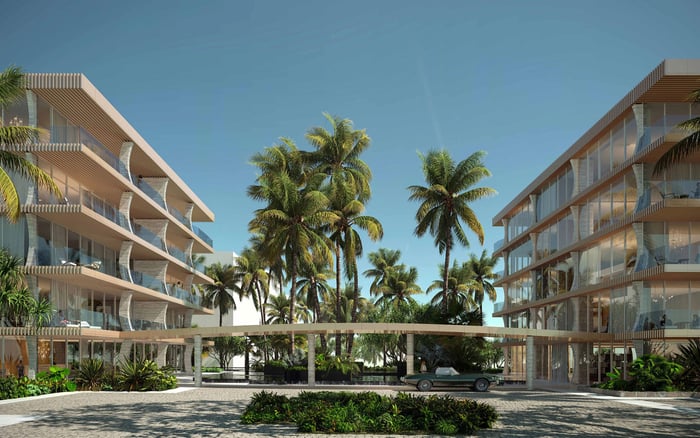
A buyer-oriented framework for reviewing sprinkler-impairment notices, smoke-control acceptance records, and elevator-emergency procedures at Forté on Flagler, without presuming a property-specific deficiency.
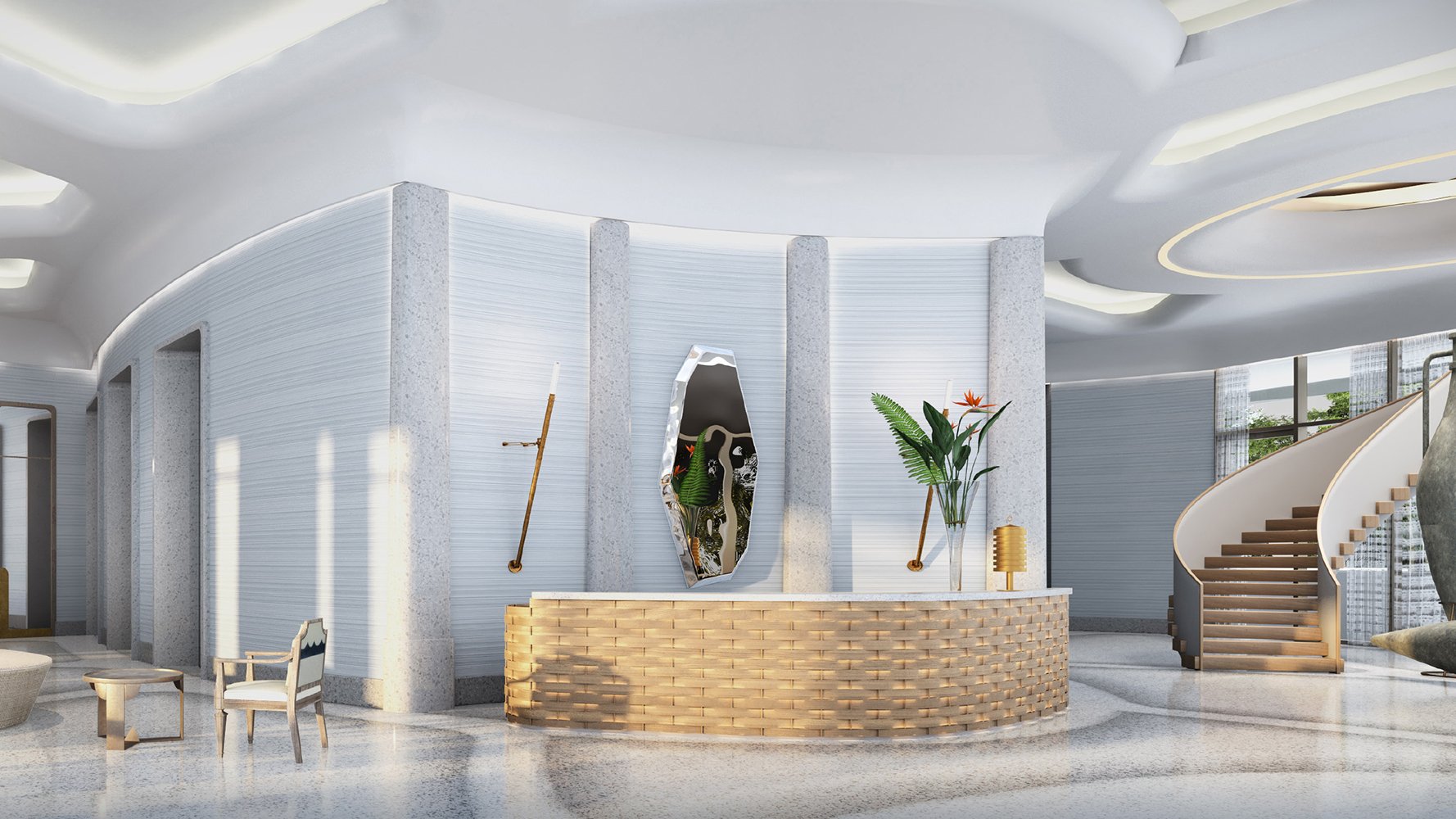
At Forté on Flagler West Palm Beach, a thoughtful purchase review should extend beyond the residence to the systems that support daily life. Sprinkler protection, smoke control, and elevator-emergency procedures warrant precise questions-and answers grounded in records, not general assurances.
Nothing presented here establishes an active sprinkler impairment, a failed smoke-control test, or a deficient elevator-emergency procedure at Forté. These are due-diligence questions, not allegations. The objective is to understand what applies to the building, who is responsible, and how any interruption or deficiency would be documented through resolution.
For a luxury buyer, that distinction matters. A temporary service interruption, if one occurred, should be evaluated by its scope, precautions, and restoration evidence. An unanswered request should prompt follow-up, not an automatic conclusion that a system failed.
Before requesting records, counsel should confirm the tower’s legal address and correct property identifiers. A sales or contact address should not automatically be treated as the tower’s legal address for official searches.
Counsel should also establish the governing code edition, approved design, and applicable amendments. Requirements from different editions should not be combined into a single assumed standard for this building.
Ask which requirements governed original acceptance and which govern ongoing inspection and maintenance. Request the corresponding approvals and inspection findings. Buyers also considering Alba West Palm Beach can use the same records-first approach without assuming that different properties share designs, obligations, or operating histories.
Start conditionally: has any sprinkler system been removed from service during the period under review? If so, request an event-by-event account identifying the system, riser, floors, or zones affected; the start time, expected duration, and actual duration; and the reason for the interruption.
Ask counsel to confirm the requirements for assigning an impairment coordinator. Ask management who held that role for any documented event, how responsibility was delegated, and who could authorize precautions and confirm restoration.
A useful impairment record should explain the increased risk and the measures selected to address it. Ask whether the event required evacuation, an approved fire watch, a temporary water supply, or controls on ignition sources and combustible materials. None should be presumed necessary or sufficient without an event-specific assessment by qualified professionals.
Ask whether impairment tags were required at the fire-department connection, system control valve, or other locations, and whether they identified the affected equipment. Then request documentation of the precautions actually implemented. If a fire watch was required, seek its approval and logs rather than accepting a general statement that staff monitored the property.
For any documented impairment, ask who was notified, when, and by whom. Have counsel determine which notifications were required, including whether the fire department, insurer, alarm company, property owner, applicable authorities, or supervisors in affected areas needed notice.
Resident communication deserves a separate inquiry. Were residents, concierge staff, security, and contractors told which areas were affected, what temporary precautions applied, and when protection was restored? Counsel should distinguish applicable notification obligations from additional communication practices adopted by management.
Restoration deserves its own evidence. Request the inspections and tests confirming completion, the return-to-service time, and notices sent to relevant parties. A repair invoice alone does not answer every question about testing and notification.
Second-home buyers should also ask how urgent notices reach owners who are away. For someone evaluating Mr. C Residences West Palm Beach alongside Forté, communication procedures offer a useful point of comparison-not a basis for assuming either property’s performance.
Smoke-control review should begin with the approved design and the testing applicable to it. Ask counsel and qualified specialists which installed-condition tests, special inspections, and activation criteria apply to the building’s smoke-control systems and associated detection and controls.
Ask management who performed the testing and request the applicable special-inspection and acceptance records. Do they document required pressure differences, airflow measurements, and detection-and-control verification? Can the results be matched to the installed system and approved criteria?
Counsel should then assess whether the acceptance records establish that required testing was completed before occupancy and identified deficiencies were corrected. Where a correction appears, request the follow-up test or clearance that resolves it.
The buyer’s question is not simply whether testing occurred, but whether the documentation connects the approved design, measured performance, any corrective work, and final acceptance.
Elevator-emergency procedures require a separate review. Ask counsel and qualified specialists which smoke-detection requirements apply to elevator lobbies, machine rooms, and machinery or control spaces, and which elevator and fire-alarm standards govern the building’s configuration.
Ask which detector inputs initiate Phase I emergency recall and how those inputs correspond to the building’s actual configuration. Request the designated primary and alternate recall floors, relevant test records, and documentation of elevator-related emergency signals presented to responding firefighters. Ask qualified service professionals to explain what those signals indicate.
Ask how Phase II firefighter operation is controlled and how applicable emergency-power testing is documented. These are questions for management and its qualified service professionals, not instructions for residents to operate emergency controls.
Finally, request the resident-facing procedure for when elevators cannot be used, including assistance for people with mobility limitations. Buyers considering Shorecrest Flagler Drive West Palm Beach can bring the same questions to that review while keeping each building’s answers separate.
Organize the request around impairment and fire-watch logs, notification records, restoration tests, smoke-control special-inspection records, elevator recall and emergency-power tests, and any open deficiency notices. Ask management to identify the responsible party and current status for each unresolved item.
Ask counsel which West Palm Beach municipal fire-prevention inspection records are relevant to the property. Request any applicable inspection findings and documented deficiency clearances; a request for those records does not establish an enforcement action against Forté.
Counsel can then distinguish documented completion, matters requiring technical interpretation, and outstanding questions. That disciplined review supports a considered purchase without turning a request for information into an accusation.
For a discreet perspective on South Florida luxury residences, explore MILLION.
If branded residences are on your mind — as a home or as an allocation — we would be glad to share what we are seeing, privately.
Begin a quiet conversationNo active sprinkler impairment, failed smoke-control test, or deficient elevator-emergency procedure is established here. The questions are intended for due diligence, not as allegations.
Counsel should confirm the tower’s legal address and property identifiers. A sales or contact address should not automatically be used as the tower’s legal address.
Ask counsel to confirm the applicable requirements for assigning an impairment coordinator. Management should identify who held that role for any documented event and how responsibility was delegated.
Request the affected system, riser, floors or zones, start time, expected and actual duration, and reason for the interruption. Also seek the risk assessment and precautions implemented.
Do not assume a fire watch is required for every impairment; have counsel and qualified professionals confirm the event-specific requirements. If one was required, request its approval and implementation logs.
Request records of the necessary inspections and tests, the return-to-service time, and restoration notifications. A repair invoice alone does not address all of those points.
Counsel must confirm the governing edition, approved design, and applicable amendments. Requirements from different editions should not be assumed to apply together.
Ask for applicable installed-condition testing, pressure and airflow measurements, and detection-and-control verification. Counsel should review required pre-occupancy testing and documented correction of deficiencies.
Ask about recall-triggering detector inputs, primary and alternate recall floors, firefighter signals, Phase II controls, and applicable emergency-power tests. Request the resident-assistance procedure for periods when elevators cannot be used.
Ask counsel to identify applicable West Palm Beach fire-prevention inspection findings and any documented deficiency clearances. Requesting those records does not establish an enforcement action against Forté.