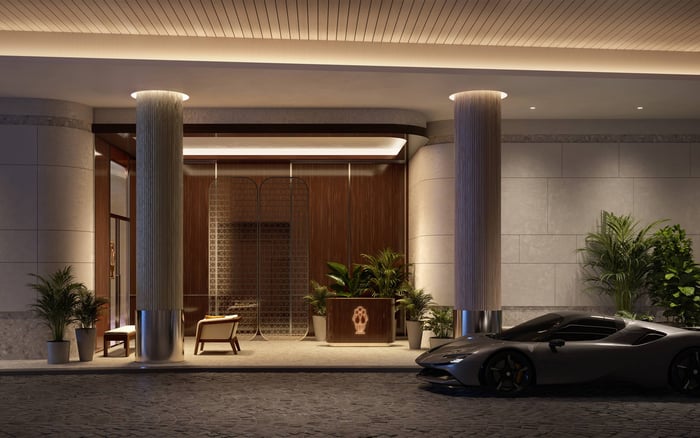
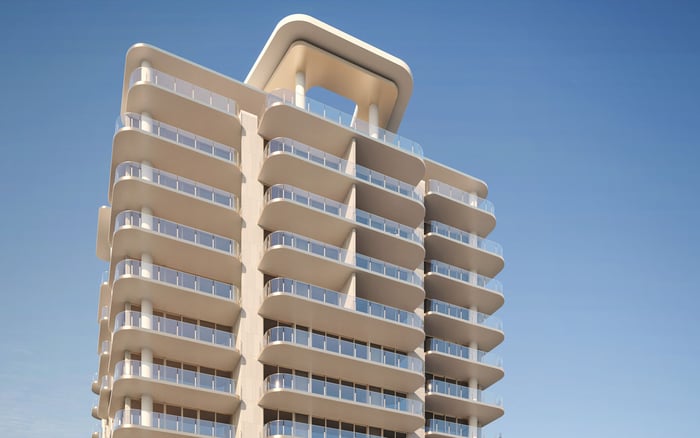
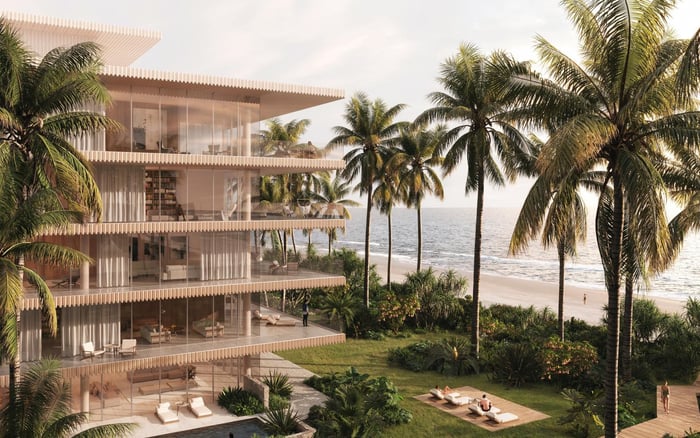
The Berkeley’s advertised lighting, wine refrigeration, EV charging, and emergency generator create an appealing second-home proposition. Residence-specific electrical plans and operating rules, however, are essential to establish whether those features can support a collector’s intended lifestyle.
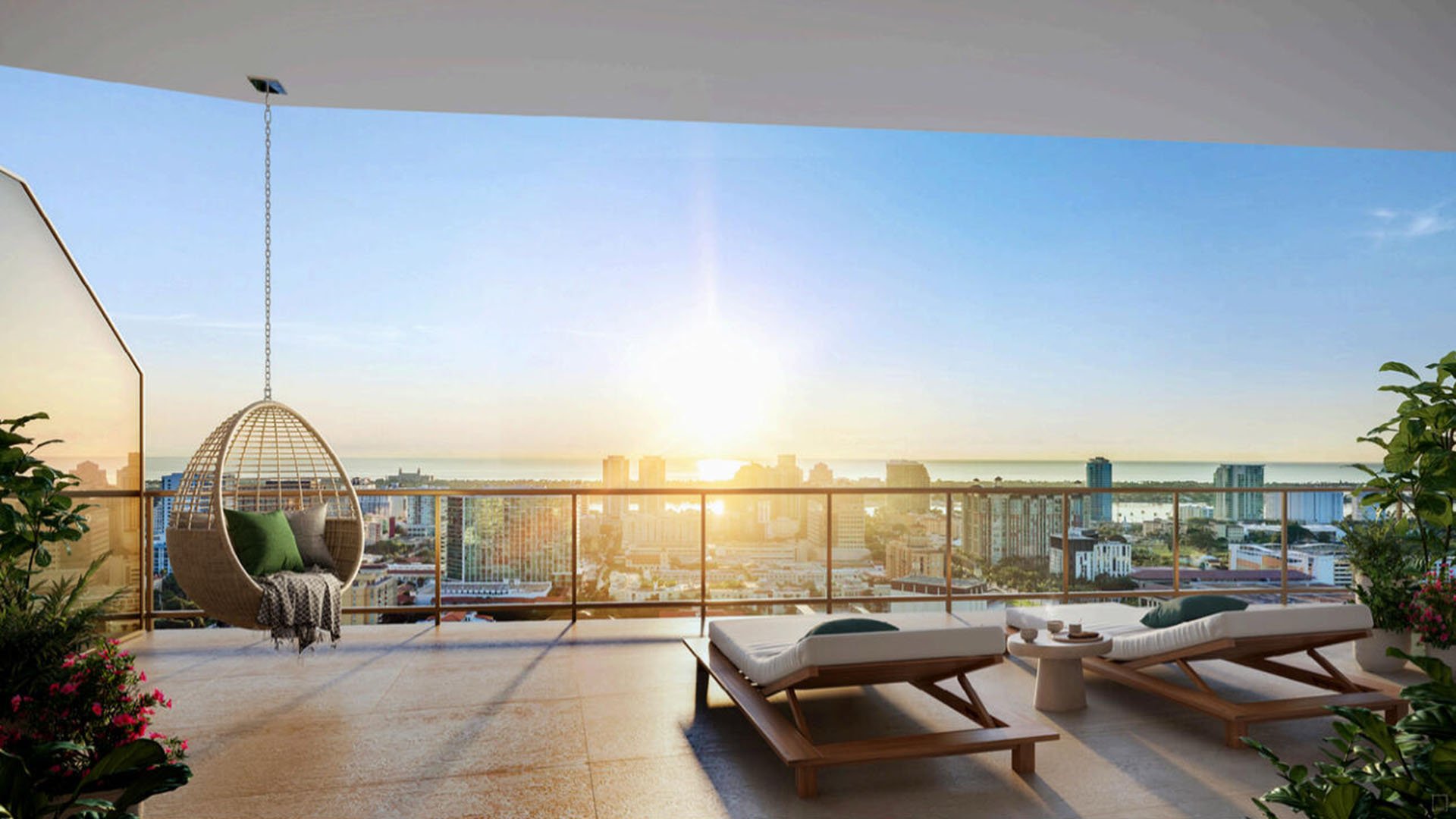
A second residence should feel effortless on arrival: artwork properly illuminated, wine held at its intended temperature, and a vehicle ready for the next morning. At The Berkeley Palm Beach, advertised custom lighting, automation pre-wiring, wine refrigeration, EV charging stations, and a full-building emergency generator bring those priorities into the purchase conversation. They do not, on their own, establish the electrical capacity available to a particular owner.
The Berkeley is planned as a 26-story, 193-residence condominium on Clear Lake in West Palm Beach. Planned residences have flow-through layouts with east- and west-facing exposures, ranging from approximately 2,061 square feet to more than 5,800 square feet. That range offers different possibilities for displaying a collection or accommodating wine storage, but floor area is not an electrical specification.
The central distinction is simple: an advertised feature is not a residence-specific capacity commitment. This review addresses planned specifications and the questions a buyer should resolve; it is neither a firsthand inspection nor an electrical performance test.
Before selecting fixtures or commissioning cabinetry, request the electrical plans, load calculation, panel schedule, feeder specifications, and permitted owner-added loads for the exact residence. The residential specifications do not disclose service amperage, panel ratings, spare breaker spaces, feeder capacity, or an allowance for additional electrical demand.
Those omissions leave the central question unanswered: can the intended residence support expanded art lighting, a conditioned wine enclosure, and the buyer’s other planned equipment within the permitted design? Ask a Florida-licensed electrical engineer to assess that question against the final construction documents, not merely the sales floor plan.
Keep the garage charging inquiry alongside-but distinct from-the unit review. Charging access also depends on building infrastructure and operating rules. A satisfactory residential panel schedule would not establish a right to install or use a dedicated charger.
Buyers also considering Alba West Palm Beach can apply the same document checklist without assuming equivalent electrical provisions between projects.
Custom lighting design and smart-home integration are advertised residential features. Neither establishes dedicated art-lighting circuits, fixture wattage allowances, dimming protocols, or a control-system brand. Treat automation pre-wiring as a starting point for design discussions, not confirmation that every preferred lighting system will be compatible.
For a collection-focused interior, ask the lighting designer to prepare a fixture schedule and identify the proposed controls. Have the design team verify dimming compatibility, heat output, glare and UV management, and installation permissions. Confirm where additional wiring or fixtures would be allowed and whether proposed changes require approval before installation.
The east- and west-facing exposures also warrant attention when deciding where artwork will hang. Review daylight alongside the artificial lighting plan, then address HVAC and humidity control with the appropriate specialists. Electrical capacity is only one part of the display strategy.
The useful purchase-stage deliverable is a coordinated plan: fixtures, controls, circuit requirements, and approved installation locations aligned with the residence’s electrical documentation.
Kitchen specifications include a wine refrigerator, Sub-Zero refrigeration, and Wolf cooking appliances. They do not identify the wine refrigerator’s capacity, temperature zones, electrical load, or emergency-power coverage. Establish those details before deciding whether the included appliance suits the collection.
Request the intended refrigerator model, its circuit assignment, and confirmation of whether that circuit receives generator power. For an owner who expects to leave wine in residence between visits, the operating arrangement during an outage deserves as much attention as the appliance’s appearance.
A dedicated conditioned wine enclosure is a separate proposal. Before incorporating one into the interior plan, confirm that it is permitted and have its equipment requirements reviewed against the residence’s electrical and mechanical design. Do not treat the included wine refrigerator as evidence that a larger installation has already been accommodated.
The conclusion is not that expanded storage is impossible. It is that permission, equipment selection, and capacity must be established before the collection dictates the fit-out.
EV charging stations, 425 parking spaces, and valet parking are advertised. Those provisions do not establish how many spaces are EV-ready, how charging access will be assigned, or whether a residence can obtain a dedicated charger.
Ask for charger count, output, connector type, and load-management details. Then clarify the ownership experience: assigned versus shared access, metering, fees, simultaneous-charging limits, and responsibility for any electrical upgrade. These answers determine whether the arrangement suits the buyer’s anticipated use.
For a second-home owner, the practical scenario is arrival followed by the next departure. Ask how charging will be requested and managed while the vehicle is parked, including any role for valet service. Do not equate valet parking with a confirmed charging service.
If Forté on Flagler West Palm Beach is also on the shortlist, carry the same access and operating questions into that evaluation. Compare documented arrangements rather than amenity labels.
A full-building emergency generator is advertised, but its capacity, fuel type, transfer arrangement, and coverage of residential circuits during an outage are not specified. The phrase should not be read as a promise that lighting, HVAC, wine equipment, and EV charging can operate simultaneously without restriction.
Request a generator-backed circuit schedule for the residence and written clarification of any operating limitations. Identify the equipment that matters while the home is unoccupied, then establish whether its circuits receive backup power.
This is where the three priorities converge. Art display, wine storage, and vehicle readiness may each be addressed in the feature list, yet the specifications do not establish their simultaneous operation under normal or emergency power. The buyer’s review should distinguish those two conditions explicitly.
For The Berkeley, the strongest next step is a residence-specific technical review before closing. Assemble the electrical documentation, proposed lighting schedule, wine-equipment requirements, charging terms, and generator-backed circuit schedule. Have the relevant professionals identify unresolved approvals or capacity questions before committing to custom work.
Planned specifications should be confirmed in the purchase documents. A refined interior and a reassuring amenity description are no substitute for clarity about what the buyer may install, operate, and rely on between visits.
The Berkeley’s advertised provisions address the right lifestyle categories. Whether they support a particular collector’s second-home brief requires documented confirmation, not inference.
For a discreet discussion of your South Florida second-home priorities, connect with MILLION.
If branded residences are on your mind — as a home or as an allocation — we would be glad to share what we are seeing, privately.
Begin a quiet conversationThe Berkeley is planned on Clear Lake in West Palm Beach as a 26-story condominium with 193 residences.
Planned residences range from approximately 2,061 square feet to more than 5,800 square feet, depending on configuration. Residences are described as flow-through plans with east- and west-facing exposures.
No; the advertised feature does not establish dedicated art-lighting circuits, fixture wattage allowances, dimming protocols, or a control-system brand.
Automation pre-wiring is an advertised residential feature. It does not confirm compatibility with a buyer’s preferred lighting controls or establish capacity for additional equipment.
Yes, the kitchen specifications include a wine refrigerator. Its capacity, temperature zones, electrical load, and emergency-power coverage are not identified in the supplied specifications.
Permission and capacity for a dedicated conditioned wine enclosure are not established. Confirm installation approval and have the proposed equipment reviewed against the residence’s electrical and mechanical design.
EV charging stations are advertised, but a dedicated charger for each residence is not established. Charger count, output, connector type, and assignment rules require confirmation.
No; the described 425 parking spaces and valet parking do not establish the number of EV-ready spaces or how charging access will be assigned.
The advertised generator description does not identify supported residential circuits or operating limitations. Obtain a generator-backed circuit schedule rather than assuming unrestricted coverage.
A Florida-licensed electrical engineer should review the specific residence’s electrical plans, load calculation, panel schedule, feeder specifications, and proposed additional loads. Generator coverage and building charging arrangements should also be clarified.