Maison D’Or’s advertised services offer an appealing starting point for second-home ownership. The decisive questions concern written housekeeping scope, residence-specific linen storage, and control over staff access when owners are away.
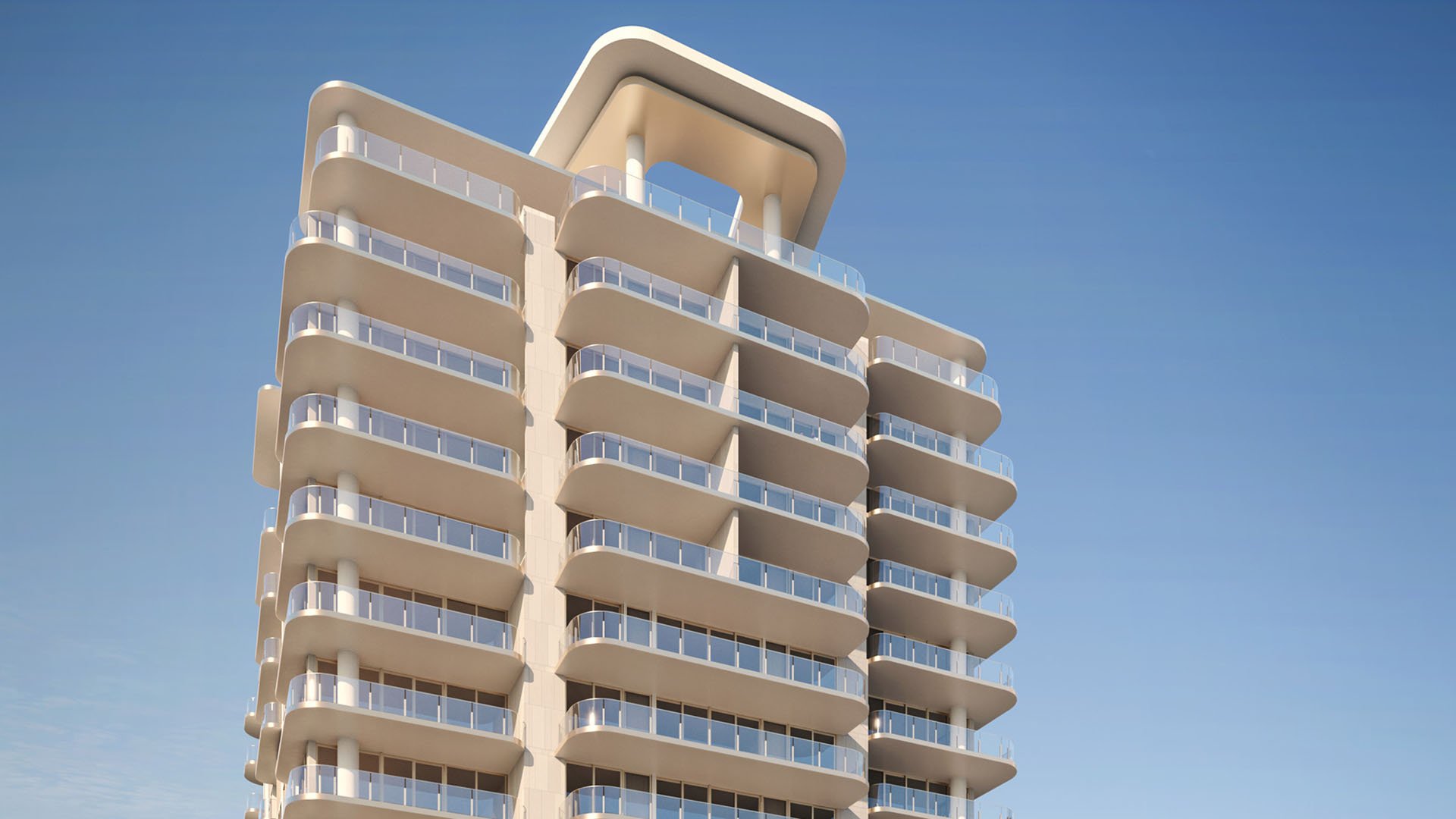
The defining luxury of a second home is not simply arriving somewhere beautiful. It is arriving at a residence that feels unmistakably yours: preferred linens in place, personal possessions undisturbed, and the practical work of reopening a household already considered. At Maison D'Or South Flagler, advertised housekeeping, laundry and concierge services make those questions particularly relevant.
Planned as a 39-residence condominium at 3705 South Flagler Drive in West Palm Beach, Maison D’Or offers eight floor plans ranging from nearly 3,000 square feet to more than 10,000 square feet. That range makes residence-specific diligence essential. Generous square footage alone does not establish where linens will be stored, which spaces staff may enter, or what pre-arrival preparation includes.
The buyer’s task is to distinguish an advertised service from a defined operating arrangement. Unresolved details do not mean a service or safeguard is unavailable. They mean the ownership experience should not rest on assumptions.
Housekeeping is advertised, but whether it is included in assessments or billed separately remains unresolved. Frequency, minimum visits, response times and after-hours availability are also unspecified. For an owner arriving intermittently, these are central considerations, not administrative fine print.
Ask for a current service menu that distinguishes routine cleaning, pre-arrival preparation and departure closeout. A task list confirming bed-making, towel replacement, kitchen resets, terrace cleaning or toiletry replenishment remains unresolved. Treat each as a question, not a promised inclusion.
A useful written scope would identify the rooms covered, products used, excluded surfaces and process for approving extra work. Owners with delicate finishes or personal objects should also ask whether care instructions can be retained and followed. The objective is predictable service without repeating instructions at every visit.
Laundry and dry-cleaning services are advertised, but procedures for owner-supplied household linens are not established. Nor is a dedicated linen closet, lockable housekeeping cabinet or personal-storage program confirmed for every residence.
That distinction matters. Laundry is a service; storage is a physical and contractual provision. Inspect the selected residence’s plans and finish schedule for shelving, usable cabinet dimensions and any proposed lockable area. Do not infer a linen solution from the size of the home or the availability of cleaning staff.
Request a clear sequence for owner linens: identification, collection, laundering, return and storage. Ask whether sheets and towels can remain separate from building-provided items, who records damaged or missing pieces, and whether special-care instructions are accepted.
When evaluating Alba West Palm Beach alongside Maison D’Or, apply the same residence-level questions rather than assuming equivalent arrangements. The meaningful comparison is documented capacity and handling, not amenity-menu language.
Maison D’Or emphasizes privacy, and its planned residence count supports its boutique positioning. Neither establishes the procedures governing entry into an unoccupied home. Staff-access logs, key-control measures, photography restrictions and rules for vacant residences remain unresolved.
Before authorizing service, ask how permission is granted and revoked. Can consent be limited to a particular visit, room or task? Who may authorize substitute personnel? How are staff identified, and what record can an owner receive after entry? These questions turn privacy from an aspiration into an operating standard.
A prudent owner brief would distinguish accessible household supplies from belongings that must not be handled. Request written rules covering photographs, disposal of items, valuables discovered during cleaning and any transfer of possessions to another location. A closed cabinet should not be assumed to be protected unless its access arrangements are clear.
An absentee-owner care program is identified as an additional concierge service. Its exact scope, pricing, reporting procedures and housekeeping-supervision arrangements are not established. Treat it as a separate diligence item, not an automatic extension of housekeeping.
Ask what happens between visits: whether inspections can be scheduled, how issues are escalated, who approves remedial work and what completion record is provided. These are requests for clarification, not confirmed program features. An owner should know both what personnel may do and where their authority stops.
Concierge and valet service are also advertised as available 24/7, but a chain-of-custody protocol for belongings entrusted to staff is not established. Continuous availability does not itself confirm inventory controls or secure handoffs. Buyers considering Mr. C Residences West Palm Beach can apply the same written-access standard without assuming either property’s procedures match.
Two furnished guest suites are described as reserved for owners’ visitors. Other amenities include a private dining room, club lounge, screening theater, wine storage and tasting room, wellness facilities, pool deck and dog spa. These broaden the appeal of hosting and returning seasonally, but do not resolve private household logistics.
Wine storage, for example, does not establish that each owner receives an individually assigned, lockable compartment. Ask about allocation and access before treating it as secure personal storage. Likewise, guest-suite availability does not confirm housekeeping arrangements within an owner’s residence.
Overnight delivery service is listed, while package-holding duration and refrigerated-delivery arrangements remain unspecified. Before sending supplies ahead of an arrival, confirm acceptance rules, collection deadlines and responsibility for items awaiting pickup. Convenience is most valuable when its boundaries are understood.
For a pre-construction purchase, request residence-specific plans, finish schedules, condominium documents, the assessment budget and a current service menu. Review them together: the floor plan addresses physical provision, while service terms address how that provision may be used.
Build a short written brief around three moments: departure, absence and return. For each, identify the requested tasks, authorized personnel, permitted access, storage location and charges. Ask which terms are contractual and which may change. This also provides a useful comparison framework when considering Forté on Flagler West Palm Beach, without presuming common service policies.
Maison D’Or’s advertised offering merits attention from buyers seeking supported second-home ownership. The strongest purchase decision, however, rests on the selected residence and a written understanding of its services. For a discreet second-home search grounded in the details that matter to ownership, connect with MILLION.
If branded residences are on your mind — as a home or as an allocation — we would be glad to share what we are seeing, privately.
Begin a quiet conversationMaison D’Or is planned at 3705 South Flagler Drive in West Palm Beach as a 39-residence boutique condominium.
The project offers eight floor plans ranging from nearly 3,000 square feet to more than 10,000 square feet. Storage provisions should be checked against the specific residence’s plans.
Housekeeping is advertised, but whether it is included in assessments or billed separately remains unresolved. Request the assessment budget and current service menu.
A task list confirming those services is not established. Buyers should request written confirmation of bed-making, towel replacement, kitchen resets, terrace cleaning and replenishment tasks.
Frequency, minimum visits, response times and after-hours availability remain unspecified. Confirm scheduling terms before relying on arrival preparation.
Laundry and dry-cleaning services are advertised, but procedures for owner-supplied linens are not established. Ask about labeling, separate handling, special-care instructions and return procedures.
A dedicated linen closet, lockable housekeeping cabinet or personal-storage program is not confirmed for every residence. Verify the selected residence’s plans and finish schedule.
An absentee-owner care program is identified as an additional concierge service, but its scope, pricing, reporting and housekeeping supervision remain unresolved. Obtain those terms in writing.
Staff-access logs, key-control procedures, photography restrictions and entry rules for unoccupied residences remain unresolved. Buyers should request written authorization and revocation procedures.
The wine-storage amenity does not establish an individually assigned, lockable compartment for each owner. Confirm allocation and access arrangements before relying on it for personal storage.