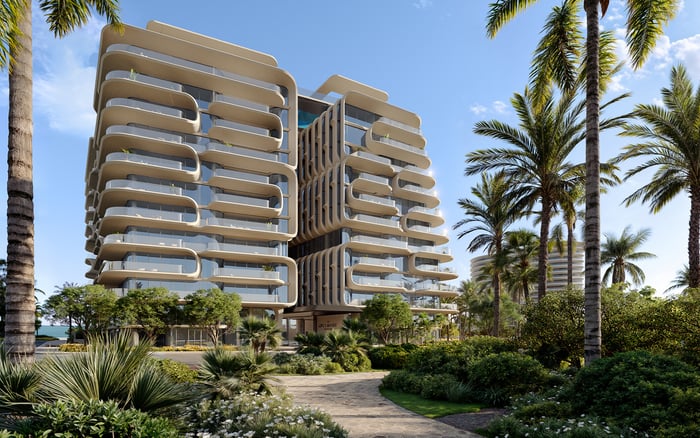
A Paris sale and a Surfside purchase can operate on very different calendars. A disciplined residence strategy separates anticipated proceeds from available liquidity, tests bridge financing before committing, and keeps proof of funds aligned with each contractual deadline.
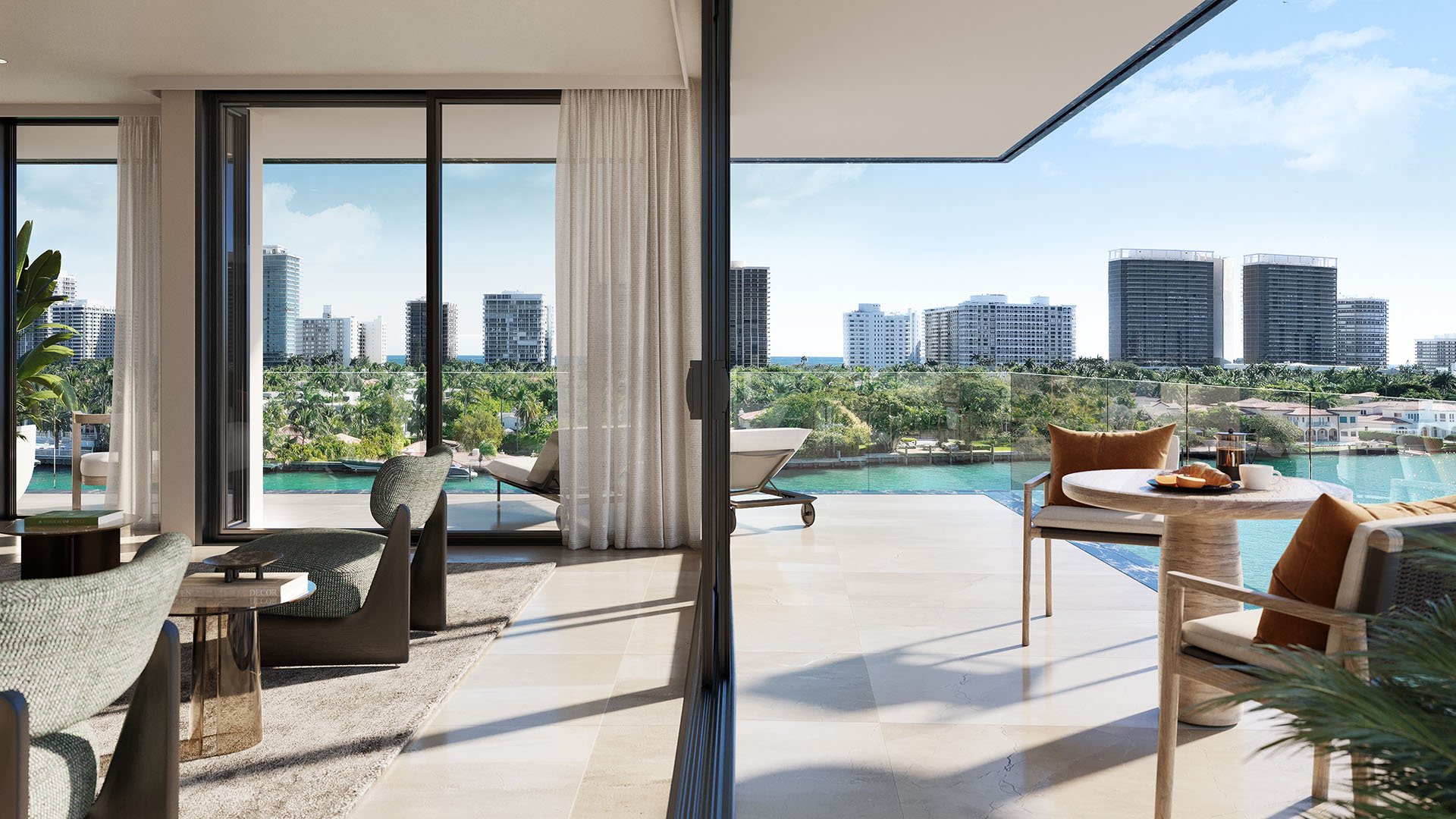
Moving from a Paris residence to Surfside is more than a change of address. It requires coordinating two transactions whose cash requirements may fall on very different schedules. The essential distinction is between an agreed sale and proceeds available to fund the next purchase.
In Paris, the compromis de vente commonly precedes the final notarial deed by two to three months. A prepared Florida luxury cash purchase, by contrast, can close in seven to 21 days when title, inspections, and funds are ready. These are planning ranges, not contractual guarantees. Even so, the mismatch is substantial enough to shape the residence strategy before an offer is made.
For a search that includes Arte Surfside, the first question should be financial rather than architectural: which funds can be committed now, and which depend on the Paris closing?
A signed preliminary agreement puts the transaction in motion, but does not immediately release sale proceeds. Municipal pre-emption procedures, mortgage discharge, or incomplete buyer financing can delay the final closing. Plan the Florida purchase around a realistic range of funds-availability dates rather than one optimistic signing date.
French preliminary-contract deposits are generally 5%-10% of the sale price, although there is no universal obligation or statutory minimum payment. Do not treat that deposit as cash available to finance the next residence. Ask the notary to clarify how funds move through the transaction and when the seller's proceeds will become accessible.
If the Paris buyer needs a French mortgage, the offer carries a mandatory 10-day reflection period before acceptance. That financing requirement is distinct from any preliminary-contract withdrawal rights. Track the buyer's financing progress separately from the scheduled deed date.
A useful planning document should distinguish expected sale proceeds, independently available liquid assets, and proposed borrowing. Each amount needs its own availability date and documentary support.
There are three sensible planning routes. The first is to complete the Paris sale before committing to a Florida closing that depends on those proceeds. This minimizes reliance on interim borrowing, but requires accepting that the residence search and purchase timetable may not move together.
The second is to buy with independently available liquidity, with the Paris proceeds arriving later. The third is to use bridge financing to cover the interval. Neither route should be chosen solely to make an offer appear stronger; each needs sufficient capacity to withstand a delayed sale.
When considering Fendi Château Residences Surfside, assess the residence and transaction rather than assuming the building name determines timing. Establish whether the purchase involves a completed unit or a future-delivery contract, then identify the deposit deadline, anticipated closing, and financing requirements.
The strongest sequence remains workable if Paris takes longer than expected. Have advisers test that scenario before accepting a purchase deadline.
Bridge financing can allow a buyer to make a cash-style offer before an existing property sale releases its proceeds. It addresses a timing gap; it does not replace confirmation of how the purchase will be funded.
Before relying on it, seek written clarity on eligible collateral, available proceeds, funding conditions, costs, repayment obligations, and the consequences of a delayed Paris sale. Do not assume that a lender will accept Paris real estate as collateral or finance the intended Surfside condominium.
Advertised seven-to-14-day closings exist for a luxury single-family bridge product. That estimate does not establish condominium eligibility or guarantee a Surfside funding window. A lender commitment is stronger evidence than an informal indication, but its conditions still require careful review.
Model a delayed-sale scenario alongside the expected repayment date. The purchase commitment should rest on confirmed capacity, not an assumption that the bridge will arrive just before closing.
Proof of funds should identify the buyer or purchasing entity and demonstrate sufficient liquid assets for the required deposit and closing. Documentation should be recent, often within approximately 30 days; confirm the exact expectations for the transaction.
Bank or brokerage statements and lender commitments provide stronger funding evidence than undated screenshots, generic adviser letters, or anticipated sale proceeds. Distinguish available cash from conditional borrowing. A Paris sale agreement may explain the intended repayment strategy, but it is not equivalent to liquid funds already available.
Prepare the evidence before submitting an offer, then refresh it if the timetable changes. If the purchasing entity differs from the account holder, ask the relevant advisers what documentation is needed to explain the relationship. Do not assume the names are interchangeable.
Maintain a traceable bank trail for sale proceeds and borrowed money. French notaries require documentation of the origin of funds; disciplined records also make the cross-border funding plan easier to explain.
A future-delivery residence may appear to allow more time for a Paris sale, but its deposits can create earlier liquidity demands. Miami pre-construction contracts can require staged deposits totaling approximately 20%-50% before delivery, with the actual schedule determined by the developer and contract.
For a search including Ocean House Surfside, request the applicable contract and map every payment date before treating later delivery as financial breathing room. This is a diligence framework, not a statement of that project's deposit terms.
Apply the same discipline when evaluating The Delmore Surfside. Compare contractual cash requirements with funds available on each date, not with the eventual value of the Paris sale.
Delivered condominiums offer immediate-closing and financing possibilities. Conventional financing for pre-construction generally waits until the building is substantially complete, so do not assume a future mortgage will fund earlier installments.
Financed Florida luxury purchases typically require 30-60 days. Jumbo loans, complex condominium approvals, and manual underwriting can extend that schedule. Cash purchases still require title and lien searches, applicable estoppel or payoff information, and delivery of funds.
Confirm bank-transfer timing well before the closing window. For a Paris notarial closing, plan to confirm timing at least 48 hours before signing, while allowing for large transfers to take several business days. That checkpoint is not a promise that a cross-border transfer will finish within 48 hours.
The objective is a residence purchase supported by available liquidity, clear documentation, and deadlines that remain credible if the Paris sale slips. Maintain that discipline throughout negotiations, not only when wiring funds.
Explore your Surfside residence strategy with MILLION.
If branded residences are on your mind — as a home or as an allocation — we would be glad to share what we are seeing, privately.
Begin a quiet conversationNo. The preliminary agreement commonly precedes the final notarial deed by two to three months, so it should not be treated as immediately available cash.
Municipal pre-emption procedures, mortgage discharge, and unfinished buyer financing can delay completion. The purchase strategy should allow for those uncertainties.
A prepared cash purchase can close in seven to 21 days when title, inspections, and funds are ready. This is a planning estimate, not a guaranteed Surfside closing window.
A typical planning range is 30–60 days. Jumbo loans, complex condominium approvals, and manual underwriting can extend the schedule.
It can provide interim liquidity, subject to lender approval and funding conditions. Confirm the intended condominium's eligibility and acceptable collateral rather than assuming Paris property will qualify.
Not automatically. That advertised estimate concerns a luxury single-family product and does not establish condominium eligibility or guaranteed funding timing.
It should identify the buyer or purchasing entity and show sufficient liquid assets for the required deposit and closing. Recent documentation, often within approximately 30 days, is preferable.
Bank or brokerage statements and lender commitments are stronger than undated screenshots, generic adviser letters, or anticipated sale proceeds. Conditional borrowing should remain distinguishable from available cash.
Yes, depending on the contract's payment dates. Miami pre-construction contracts can require staged deposits totaling approximately 20%–50% before delivery, so each deadline needs its own funding plan.
Confirm timing at least 48 hours before signing, while allowing for large transfers that may take several business days. The checkpoint is not a guarantee of transfer completion within 48 hours.