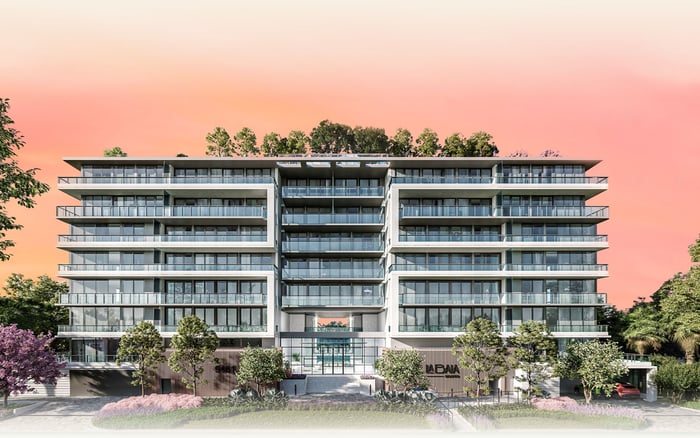
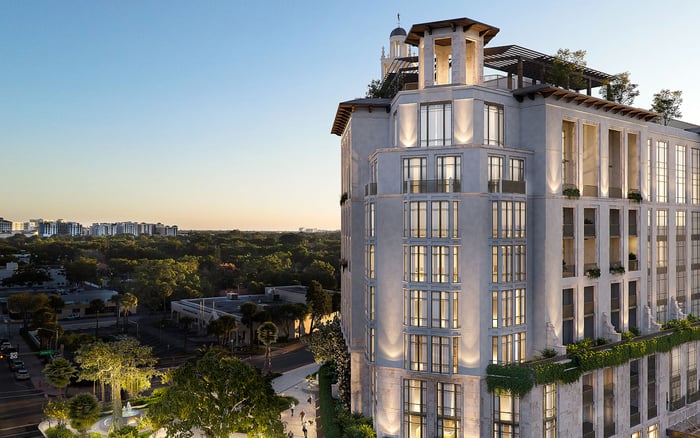
A buyer-focused review of Tula Residences separates advertised garage parking and EV readiness from the contractual rights, liability terms, and peak-occupancy procedures owners should confirm before purchasing.
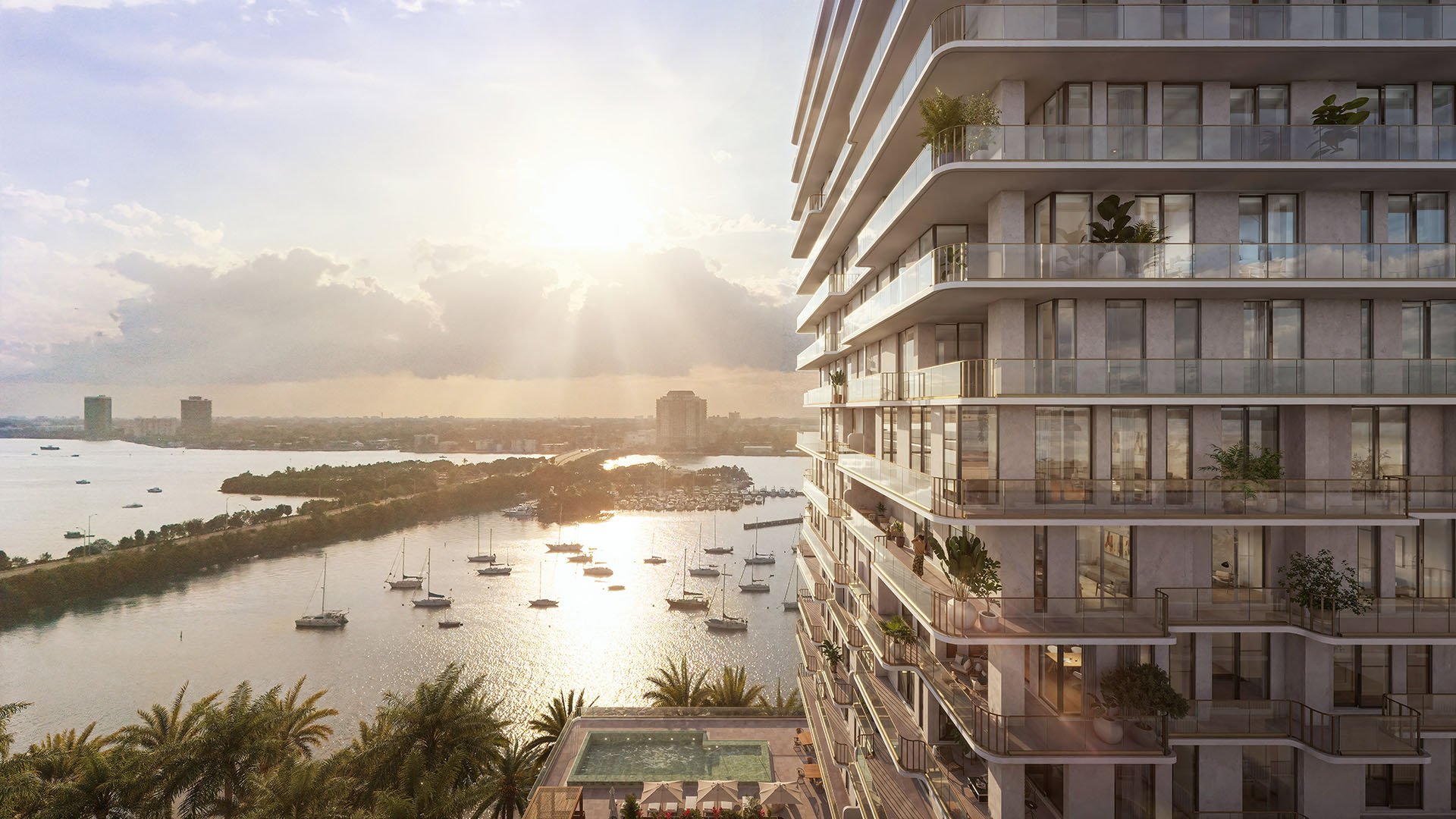
A residence should make arrival feel effortless. For a buyer considering Tula Residences North Bay Village, that expectation deserves the same scrutiny as the floor plan. Parking allocation, vehicle custody, and charging access are distinct ownership questions, even when presented as one seamless experience.
At 7918 West Drive, North Bay Village, FL 33141, Tula is marketed as a 54-residence condominium with two- to five-bedroom layouts and six penthouses. Garage parking and EV readiness are advertised features. Neither establishes enforceable parking rights, valet liability terms, or guaranteed charging access during peak occupancy.
The distinction is between an advertised feature and a documented entitlement. Buyers should resolve it before assigning value to daily convenience.
Personal parking spaces in a fully enclosed garage are advertised. Residence 902 is described as having two total parking spaces and two garage spaces, assigned and covered. Residence 1403 is likewise described as having two total spaces and two attached garage spaces, also assigned and covered. Each description refers to two spaces for that residence, not four.
These descriptions do not establish a two-space entitlement for every home or a total garage capacity of 108 spaces. The advertised residence count cannot substitute for a garage schedule.
Request the declaration, purchase contract, parking exhibits, and garage plan together. Have counsel identify the legal classification of the intended spaces, their numbers, and the document that ties them to the purchase. Determine whether the arrangement grants ownership, an exclusive-use allocation, or another permission. The word “personal” does not answer that question.
The same unit-specific discipline applies when considering Continuum Club & Residences North Bay Village alongside Tula. Compare documented rights, not similar amenity language; do not presume equivalent parking arrangements.
Next, establish whether the allocation can change. Ask who may reassign spaces, under what circumstances, and whether owner consent is required. Confirm whether a space transfers with the residence, can be separately transferred or leased, and may be used by household members, tenants, or guests.
Vehicle-number limits and restrictions involving RVs, boats, trucks, and trailers are noted for residence 902. The governing language is not established here. A buyer with a larger vehicle should obtain the actual rules and request written confirmation that the intended vehicle is permitted and fits both the allocated space and the access route.
Physical usability warrants a separate review. Request dimensions, clearances, and the circulation plan, then establish whether using either space requires moving another vehicle. These are questions to resolve, not identified defects at Tula.
The decision rule is straightforward: do not value a second space as permanently available until its allocation, usability, and restrictions have been reconciled in the purchase documents.
A 24-hour concierge is advertised. That does not establish valet availability or a valet-service schedule. Buyers should not assume valet is mandatory, optional, complimentary, or available around the clock.
If valet service is contemplated, first request written operating terms: who operates it, when it runs, who may use it, what it costs, and whether owners retain self-parking access. Establish whether the operator may move vehicles between spaces and how keys are controlled.
Review liability separately from service quality. Request the operator's agreement, insurance certificate, claim deadlines, exclusions, liability caps, and damage-reporting procedure. Ask counsel and an insurance adviser how those terms interact with personal vehicle coverage. An insurance certificate is not a promise that every loss will be paid.
For an owner leaving a vehicle while away, the questions should be specific: how is its condition recorded at handover, who can authorize movement, and how is damage reported in the owner's absence? Obtain written answers from the responsible party.
Tula's advertised EV-ready garage parking does not establish a specified number of installed chargers, connector compatibility, available power, or permission to charge in an assigned space.
Request an inventory that distinguishes infrastructure prepared for future charging from equipment installed and available for use. It should identify charger counts, connector types, power levels, eligible users, and whether charging is private or shared. Ask who maintains the equipment and pays for future upgrades.
Operating terms matter just as much. Confirm reservation rules, session limits, electricity charges, idle fees, and procedures when equipment is unavailable. For a household relying on electric vehicles, the question is not simply whether charging exists, but whether the documented arrangement supports its departure schedule.
If a private charger is essential, seek written confirmation of electrical capacity, approval requirements, installation costs, insurance obligations, and responsibility for common-element damage. Do not treat EV-ready language as installation approval.
A buyer also considering Shoma Bay North Bay Village can apply the same questions independently. Assess charging convenience through each property's documents, without assuming matching infrastructure or rules.
Peak occupancy is an operating test, not a conclusion to draw from 54 residences. Request procedures covering guest arrivals, vehicle retrieval, loading, accessible spaces, charger queues, holidays, move-ins, and storm preparations.
Ask management to walk through a hypothetical busy evening: residents return, guests arrive, a delivery needs loading access, and shared charging is occupied. Which activities have priority? Where do vehicles wait? Who resolves conflicts? Treat the responses as proposed procedures unless incorporated into applicable operating documents.
A second scenario should address an extended absence followed by a late arrival. Confirm how an owner would access a parked vehicle, report a problem, and arrange charging outside any staffed service hours. Where retrieval timing or charging availability matters, distinguish a service objective from an enforceable commitment.
The six marketed penthouses do not establish a separate parking tier. Any additional allocation or priority would require its own documentation. Private storage rooms are advertised as available for purchase, not automatically included with each residence; verify that purchase separately from parking.
Before committing, assemble one coherent record: residence-specific parking rights, vehicle rules, any valet agreement and liability terms, charging specifications, and peak-use procedures. The objective is not to presume a shortcoming. It is to ensure that the convenience being purchased is supported by terms the buyer understands.
For a discreet review of South Florida residences through the details of ownership, connect with MILLION.
If branded residences are on your mind — as a home or as an allocation — we would be glad to share what we are seeing, privately.
Begin a quiet conversationTula Residences is marketed at 7918 West Drive, North Bay Village, FL 33141.
Tula is marketed as a 54-residence condominium with two- to five-bedroom layouts, including six penthouses.
Listings for residences 902 and 1403 each describe two assigned, covered garage spaces. Those descriptions do not establish a building-wide entitlement.
The advertised description does not establish their legal classification. Buyers should review the declaration, purchase contract, parking exhibits, and garage plan with counsel.
Residence 902's listing flags vehicle-number limits and restrictions involving RVs, boats, trucks, and trailers. Buyers should obtain the governing rules before assuming a particular vehicle is permitted.
No; a 24-hour concierge is advertised, but valet availability, hours, pricing, and mandatory or optional status are not established.
Request the operator's agreement, insurance certificate, claim deadlines, exclusions, liability caps, and damage-reporting procedure. Review their implications with counsel and an insurance adviser.
EV-ready marketing does not establish installed charger counts or charging capacity. Buyers should confirm equipment, connectors, power levels, access rules, and fees in writing.
Guaranteed access is not established. Request reservation rules, queue procedures, session limits, and arrangements for equipment outages.
Private storage rooms are advertised as available for purchase, rather than automatically included. Confirm any storage purchase separately from the parking allocation.