A disciplined framework for evaluating insurance terms, flood-zone documentation, deductibles, and property-specific questions before a Coral Gables purchase.

For a Coral Gables buyer in 2026, insurance is a core acquisition question-not a task for the final days before closing. The objective is not simply to obtain a premium indication. It is to understand what the proposed policy covers, what it excludes, how its deductibles operate, and how much liquidity the owner could need after a covered event.
This edition of MILLION's Buyer's Guides takes a document-first approach. Begin with the exact property address, proposed ownership structure, expected use, financing plan, and desired closing date. Ask an insurance adviser to identify every item required for underwriting, then establish who will provide each item and when. A preliminary conversation may frame the range of possibilities, but the buyer's decision should rest on terms prepared for the specific residence.
Avoid treating “insured” as a single, complete answer. Request a written explanation of where wind-related protection appears, whether relevant limitations or exclusions apply, and which deductible would govern a wind claim. Review flood as a distinct inquiry, using current documentation for the precise address and the actual policy under consideration.
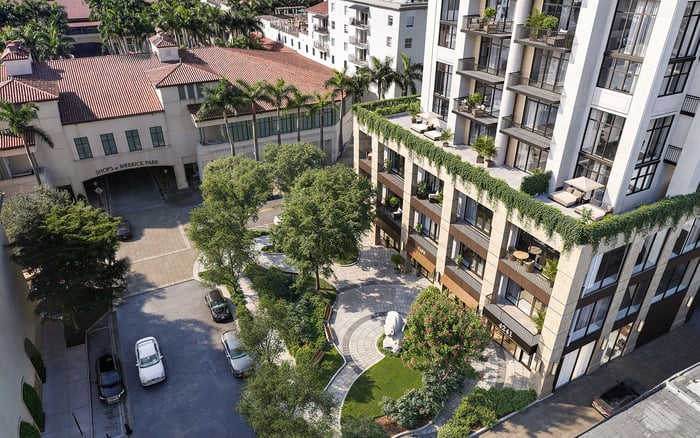
The same discipline applies when comparing a detached home with a condominium residence. Buyers considering Cora Merrick Park, for example, should request documents relevant to the residence and its ownership structure rather than import assumptions from an unrelated property. The objective is a like-for-like comparison of coverage, limits, exclusions, deductibles, required documentation, and unresolved conditions.
A deductible is not a minor line item. Ask the adviser to translate each deductible into an estimated dollar amount using the values and policy language applicable to the proposed coverage. If more than one deductible appears, request a concise scenario showing when each could apply. Do not assume that identical wording across two summaries creates identical financial exposure.
Then assess that potential outlay alongside the premium. A lower annual cost may be less compelling if the buyer is uncomfortable with the corresponding retained risk. For an investment property or second residence, the analysis should also reflect the owner's preferred reserve strategy and the property's anticipated use. The correct comparison is not premium against premium alone. It is total terms against total terms, with cash exposure clearly visible.
Underwriting questions should follow the asset. For estates and single-family purchases, request a clear inventory of the property records, inspections, improvement documentation, and mitigation materials the adviser wants to review. Ask which items remain outstanding and whether any answer is provisional.
For condominium options such as Ponce Park Coral Gables and The Village at Coral Gables, buyers should examine proposed personal coverage separately from the building-level materials available for review. New construction is not a substitute for documentation. The relevant question remains: What has the underwriter reviewed for this exact purchase, and what conditions remain before coverage can be bound?
A flood-zone label should begin the diligence process, not conclude it. Obtain the current determination for the property, confirm that the address and parcel information match the contemplated acquisition, and ask the appropriate professionals to explain any practical consequences for insurance, financing, and closing.
For a waterfront residence, resist broad neighborhood assumptions. Two properties that appear comparable may have different documents, ownership arrangements, elevations, improvements, or proposed policy terms. Request written clarification whenever a designation, map reference, or insurance response is unclear. Keep that material in the transaction file so legal, lending, insurance, and inspection conversations can refer to the same property information.
A concise comparison sheet can prevent a polished quote from obscuring a material difference. Create one column for each option, with rows for the named insured, covered property, principal limits, deductibles, exclusions, endorsements, conditions, premium, payment schedule, effective date, expiration date, and outstanding requirements. Add a row for the adviser's estimated cash exposure under the scenarios discussed.
If the search expands toward nearby Coconut Grove and Four Seasons Residences Coconut Grove enters the conversation, do not reuse a Coral Gables conclusion. Open a new property file and repeat the same questions. Consistency of process is valuable; transferring an answer from one address to another is not.
Before committing to a timeline, determine which insurance answers are essential to the purchase decision. Coordinate with the buyer's attorney, lender if applicable, insurance adviser, inspector, and real estate representative so document requests are assigned early. The buyer should understand when a quote can change, what remains subject to review, and what must occur before coverage takes effect.
Before closing, request the final policy documents or appropriate evidence of coverage, confirm the effective date, review payment instructions independently, and verify that the insured name and property details align with the transaction. Preserve the quote, correspondence, supporting documents, and final terms. This is more than administrative housekeeping. It is the record of what was reviewed and accepted.
A disciplined purchase decision connects four questions. Is the property acceptable on its own merits? Are the insurance terms understandable and tolerable? Is the potential deductible consistent with the buyer's liquidity plan? Are all material assumptions confirmed in writing for the exact asset?
A “yes” should not depend on generalized views of Coral Gables, a neighboring residence, or a prior transaction. The most useful insurance review is precise, current to the proposed purchase, and integrated with the buyer's legal and financial diligence.
When should a Coral Gables buyer begin seeking insurance terms? Begin early enough to gather property documents, resolve underwriting questions, and compare complete terms before the transaction timeline becomes inflexible.
Should wind and flood be reviewed together? Review them within one diligence plan, but ask separate questions about coverage, exclusions, limits, documentation, and deductibles.
Is the quoted premium the most important comparison point? No. Compare the premium with coverage, exclusions, deductibles, conditions, and estimated cash exposure.
How should a buyer evaluate a deductible? Request the applicable wording and an estimated dollar illustration based on the proposed policy, then test that amount against available liquidity.
Can a buyer rely on a neighborhood-level flood assumption? The safer approach is to obtain current documentation for the exact address and seek professional interpretation of its transaction implications.
Does a condominium require a different review from a house? Ask which personal-policy and building-level documents are relevant to the specific condominium purchase and ownership arrangement.
What should be included in an insurance comparison worksheet? Include limits, deductibles, exclusions, endorsements, conditions, premium, effective dates, required items, and unresolved questions.
Should financing requirements be confirmed separately? If financing is involved, ask the lender to state its requirements and coordinate them with the proposed insurance terms.
Can an insurance conclusion be transferred to another property? Treat each address as a new underwriting and documentation exercise, even when properties appear similar.
What should a buyer confirm immediately before closing? Confirm the insured name, property details, effective date, payment instructions, final terms, and any outstanding conditions.
If you'd like a private walkthrough and a curated shortlist, connect with MILLION.
If branded residences are on your mind — as a home or as an allocation — we would be glad to share what we are seeing, privately.
Begin a quiet conversation