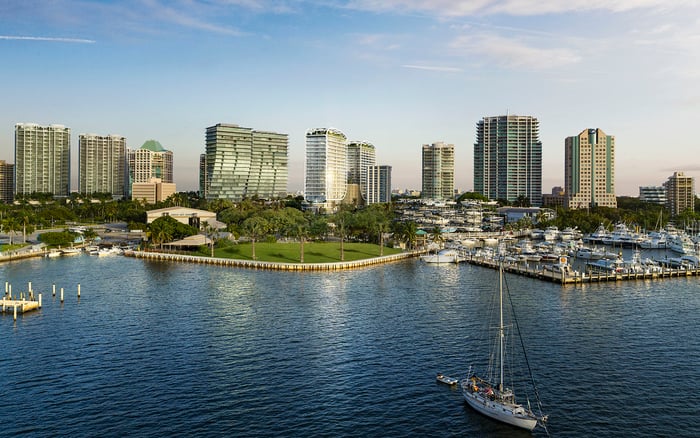
A disciplined insurance and move-in plan can make the transition from Jackson Hole to Coconut Grove more predictable. Price wind and flood exposure by exact address, translate percentage deductibles into cash, and align coverage effective dates with closing, deliveries, and hurricane season.
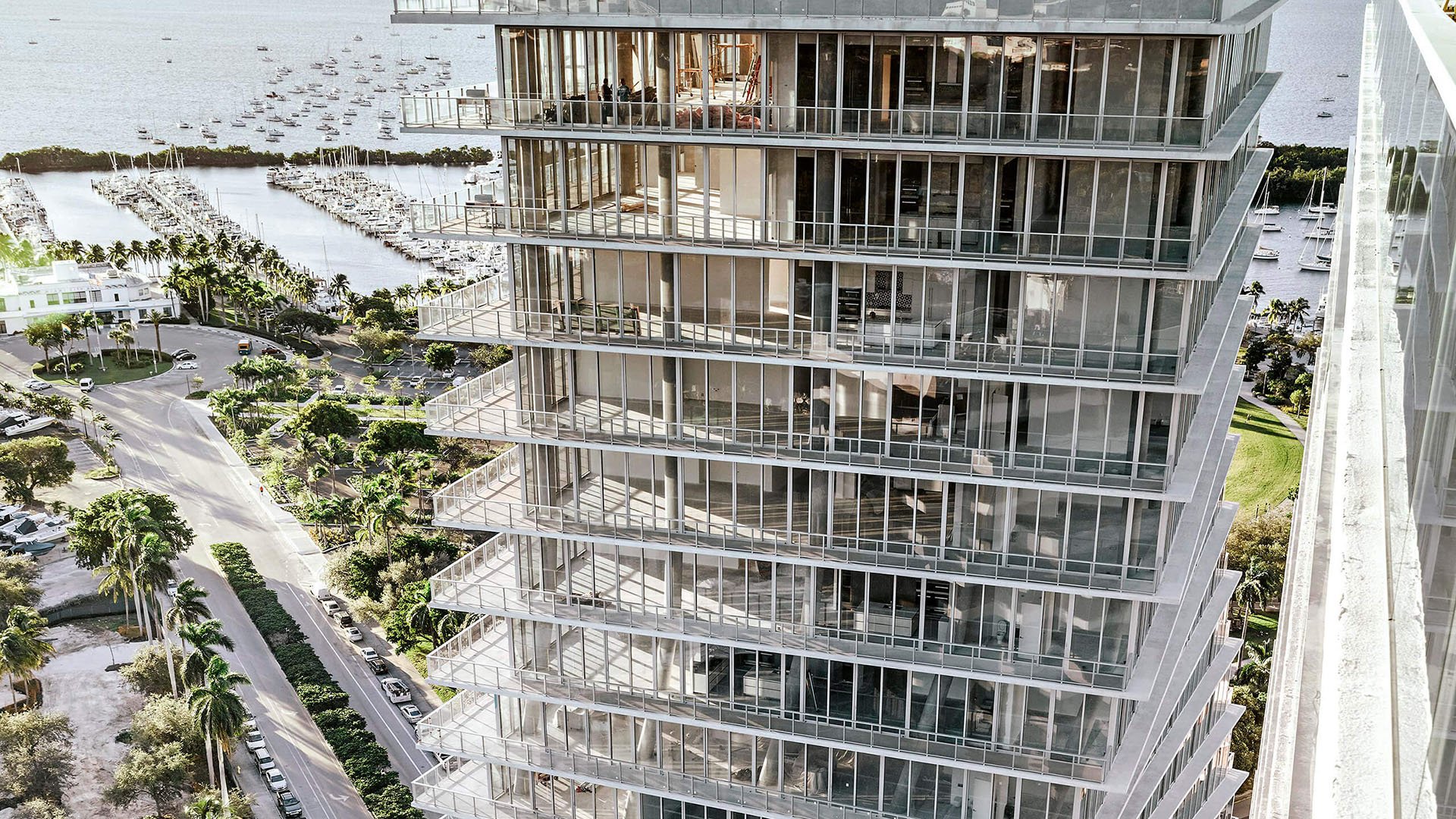
A Jackson Hole sale and Coconut Grove purchase may share the language of luxury real estate, yet their risk architecture is markedly different. In South Florida, insurance belongs alongside title, financing, inspections, and liquidity planning-not after them. A polished transition begins while one or both transactions are in escrow, when coverage terms can still inform the Florida closing date.
As a buyer’s guide framework, begin with the exact address, construction details, proposed occupancy, and anticipated closing date. Neighborhood-level assumptions are insufficient. A waterfront residence and a higher-elevation interior property can receive different flood and underwriting treatment, even when both are broadly described as Coconut Grove.
The same discipline applies across property types. Buyers comparing Four Seasons Residences Coconut Grove with a single-family estate should look beyond premiums to the complete allocation of risk: wind, flood, association coverage, owner coverage, and the maximum cash obligation after a loss.
The annual premium and the maximum cash deductible are separate affordability decisions.
Request insurance quotes early enough to resolve questions before the final closing schedule is set. The diligence file should include the current declarations page, any available wind-mitigation report, the flood-zone determination, and available elevation documentation. Insurers need accurate construction and property information to evaluate risk.
For a detached residence, confirm the insured dwelling limit, wind coverage, hurricane deductible, flood coverage, and material exclusions. For a condominium, request the association master policy and review its limits, wind or hurricane deductibles, and flood provisions. Then obtain the proposed owner policy, commonly structured as HO-6 coverage for the unit interior, personal property, and personal liability.
This two-level structure matters when considering residences such as Park Grove Coconut Grove. The association policy generally addresses the building structure and common areas, while the owner policy covers specified unit-level interests. The documents-not assumptions about service level or building quality-determine where a loss may fall.
Confirm mitigation credits at quote time. Rating tables and underwriting treatment can change, so an older policy, prior premium, or seller estimate should not be treated as a binding indication for the buyer.
Florida hurricane deductibles are separate from standard homeowners deductibles. They are generally calculated from the insured dwelling or structure limit, not the property’s market value. Possible options include $500, 2%, 5%, or 10%, subject to statutory conditions and exceptions.
The percentage can appear modest until translated into dollars. On a $200,000 Coverage A limit, 2% equals $4,000, 5% equals $10,000, and 10% equals $20,000. For any prospective home, ask the broker or insurer to state the hurricane deductible as a dollar amount on the quote.
That amount should remain available after closing, furnishing, and immediate improvements. A lower premium paired with a larger deductible may simply transfer more first-loss exposure to the owner. Buyers should therefore model two distinct figures: the recurring annual premium and the maximum cash deductible they may need to absorb.
Florida generally applies the hurricane deductible on a calendar-year basis, affecting how claims may be handled if more than one hurricane causes damage during the same year. The hurricane-deductible period begins when a hurricane warning is issued for any part of Florida and ends 72 hours after the final watch or warning terminates. Review the policy language for the specific mechanics.
Flood damage generally requires separate insurance and is not automatically included in a standard homeowners, condominium, or association master policy. When a federally backed mortgage finances a property in a Special Flood Hazard Area, flood insurance is required. Cash purchasers should still assess the exposure rather than treating the absence of a lender mandate as a conclusion about risk.
Parcel-level verification is essential. Waterfront locations may fall in AE or VE, while some higher-elevation interior locations may fall in Zone X. Buyers should review current and available preliminary flood mapping, as revisions may affect individual properties, and confirm the designation for the exact parcel during diligence.
For a second-home buyer considering Vita at Grove Isle, the relevant inquiry extends beyond whether the residence has a bayfront setting. It should establish how the exact property is mapped, what the building carries, what the owner must carry, when each policy becomes effective, and which deductibles could be allocated to owners.
A newly purchased flood policy generally does not take effect until 30 days after purchase. That waiting period makes quote timing and effective-date confirmation especially important. Do not wait until move-in to discover that the intended coverage is not yet active.
Atlantic hurricane season runs from June 1 through November 30. A transaction can close during that period, but the calendar should be deliberate. Build a single timeline covering the Jackson Hole sale, Coconut Grove closing, insurance binding, flood-policy effective date, movers, vehicle transport, art handling, furniture delivery, and any post-closing construction.
Ask the insurance adviser when coverage can be bound and whether an approaching storm could affect that process. Confirm who will secure shutters or other protection if the residence is vacant between closing and occupancy. For a condominium, understand the building’s access, elevator, delivery, and storm-preparation procedures before scheduling valuable shipments.
A move-in-ready residence can reduce the number of contractors and deliveries immediately after closing, but the insurance analysis remains property-specific. New construction may provide useful documentation, yet no label substitutes for an actual quote, policy review, flood determination, and written explanation of association-versus-owner responsibility. Buyers evaluating The Well Coconut Grove should apply the same evidence-led review used for a resale.
The cleanest strategy is to make insurance a gating item in the acquisition calendar. Before releasing major contingencies or setting a move date, obtain address-specific indications, express every wind deductible in dollars, verify flood timing, and reserve the corresponding liquidity. Condominium purchasers should also understand whether association deductibles or uninsured losses could create owner-side exposure beyond the HO-6 premium.
For buyers arriving from Jackson Hole, the objective is not to import a mountain-market playbook but to build a Florida-specific one. Precision keeps the lifestyle decision elegant: protected capital, orderly logistics, and fewer surprises during the first storm season.
For discreet guidance on Coconut Grove opportunities and a carefully sequenced South Florida purchase, connect with MILLION.
If branded residences are on your mind — as a home or as an allocation — we would be glad to share what we are seeing, privately.
Begin a quiet conversationBegin during the sale or purchase escrow so premiums, deductibles, flood timing, and reserves can help shape the Florida closing date.
No. It is separate and is generally calculated from the insured dwelling or structure limit rather than the property's market value.
Options may include $500, 2%, 5%, or 10% of the dwelling or structure limit, subject to statutory conditions and exceptions.
A percentage can obscure the actual cash exposure. Converting it to dollars clarifies how much liquidity should remain after closing.
The association master policy generally covers the structure and common areas, while an HO-6 policy covers specified unit interiors, personal property, and liability.
Generally, no. Flood damage usually requires separate coverage and may not be included in either the owner or association policy.
It is required when a federally backed mortgage finances a property in a Special Flood Hazard Area.
A newly purchased flood policy generally has a 30-day waiting period, so effective dates should be confirmed before closing.
Atlantic hurricane season runs from June 1 through November 30, an important window for planning closing, deliveries, and construction.
Review current and available preliminary flood mapping, then confirm the designation for the exact parcel during property and insurance diligence.