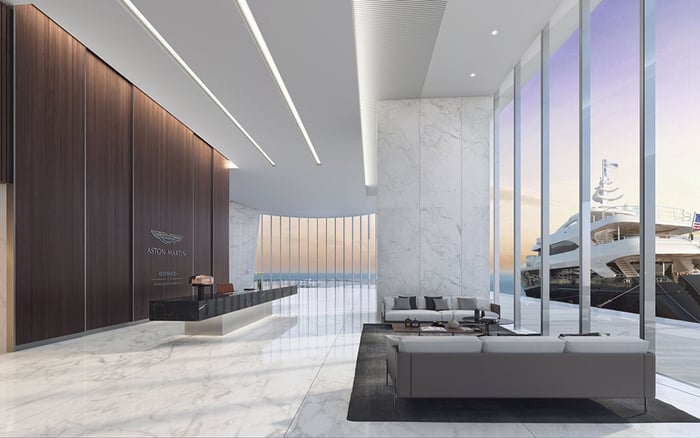
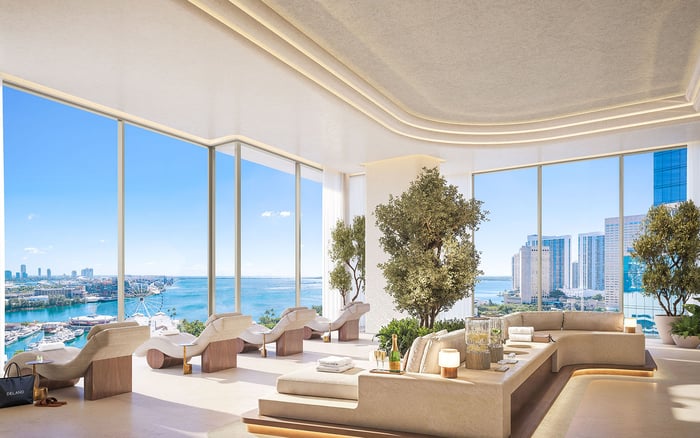
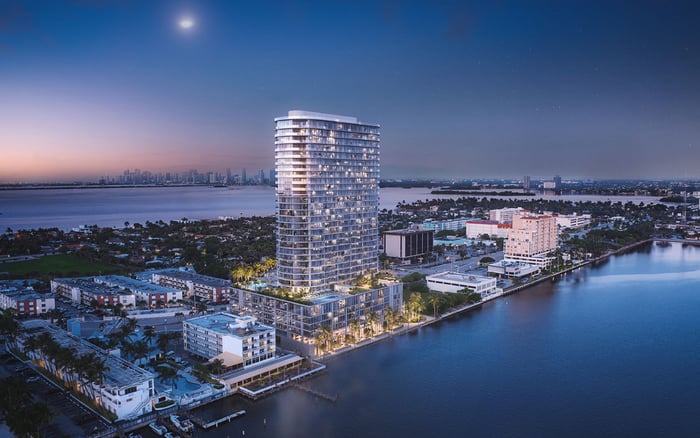
A buyer-focused framework for comparing residence lines at Delano Residences & Hotel Miami, with emphasis on sightlines, daylight, privacy, exposure, floor height, and future resale positioning.
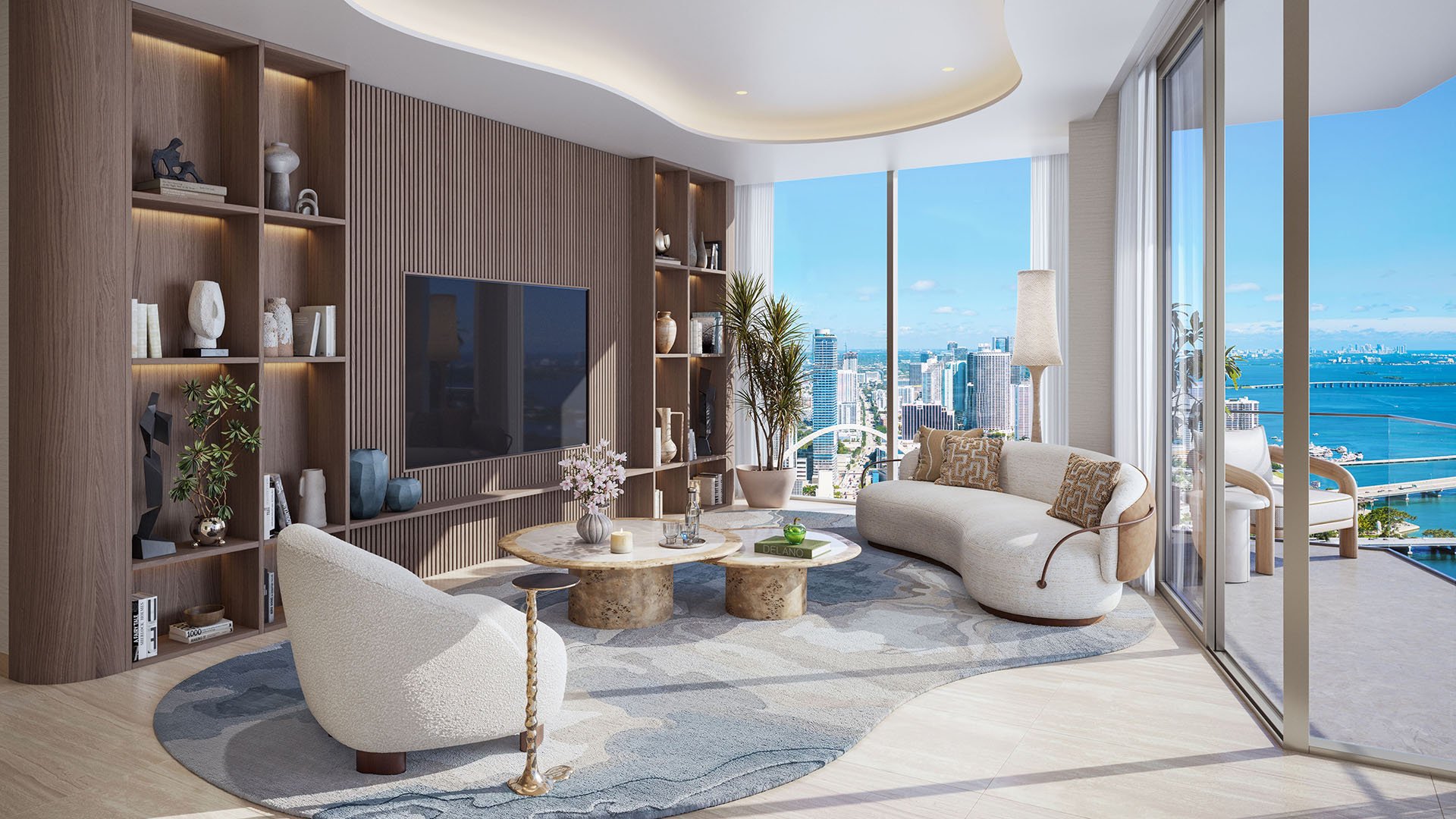
At Delano Residences & Hotel Miami, the most consequential choice may not be the broader project proposition, but the specific residence line. Two homes within the same building can experience the city very differently based on orientation, elevation, neighboring structures, glazing, terrace geometry, and the placement of primary rooms.
For a luxury buyer, line selection is therefore less about identifying a universally “best” view than matching a residence to a precise way of living. A dramatic outlook can be compelling, but daily comfort also depends on how daylight enters the home, whether bedrooms feel exposed, and how the view reads from the sofa-not only at the glass.
In Downtown Miami, where the built environment can evolve, buyers should assess both the immediate panorama and the durability of its appeal. The strongest choice is often the line whose advantages remain evident in daily life and easy to communicate at resale.
Evaluate the view from every important position: the entry, kitchen, dining area, living room, primary bedroom, secondary bedrooms, and balcony. Stand, sit, and move through the plan. A sightline that appears expansive at the window may feel less dominant from the principal seating area, while a more restrained exposure may frame the skyline elegantly throughout the home.
Consider what occupies the foreground, middle distance, and horizon. Water, towers, rooftops, streets, landscaping, and open sky create distinct visual rhythms. A water view may carry emotional value, but its quality still depends on angle, distance, obstructions, and whether it is visible from the rooms used most often.
Buyers comparing other vertical residences, including Waldorf Astoria Residences Downtown Miami, can apply the same room-by-room test rather than rely on a single presentation image.
Privacy is not binary. It shifts between day and evening, when interior lighting can make a glazed home more visible. Review direct window-to-window relationships, oblique views from neighboring terraces, and whether occupants of nearby buildings may be able to see into bedrooms or living spaces.
Terrace depth, columns, wing walls, curtains, landscaping, and furniture placement can soften exposure, but each may also affect light or usable space. Ask whether privacy requires shades to remain closed during the hours when the residence should feel most open. If so, the lived experience may differ from the apparent promise of the view.
Consider internal privacy as well. Bedroom placement relative to entertaining areas, elevator arrival, and service circulation can matter as much as distance from another tower. At Aston Martin Residences Downtown Miami or any comparable high-rise, this layered analysis helps distinguish visual drama from everyday discretion.
Compass direction is a useful starting point, not a complete answer. Buyers should request orientation diagrams and, when access permits, examine the residence at more than one hour of the day. Seasonal sun angles, adjacent structures, balcony overhangs, glass area, and interior depth can all influence how bright a room feels.
Direct sun may enrich the atmosphere and illuminate materials, but it can also create glare or uneven temperatures. Indirect light may feel softer and more consistent for art, work, and daily living. The right balance depends on personal routines, furnishing plans, shading systems, and tolerance for strong afternoon light.
Assess each principal room separately. A luminous living room does not guarantee comparable conditions in the kitchen or bedrooms. At both higher and lower elevations, floor height should be weighed alongside exposure rather than treated as a substitute for it.
The floor plan reveals how a line translates frontage into lived experience. Note the width of primary rooms along the exterior, the number and placement of corners, and whether circulation leads naturally toward the view. Scaling furniture onto the plan can reveal whether the glazing remains visible once the dining table, television, art, and seating are installed.
Study doors, structural elements, terrace access, and transitions between indoor and outdoor spaces. A broad terrace may be desirable, but its geometry should support the buyer’s intended use without compromising privacy or interior light. The same discipline applies when evaluating Faena Residences Miami Downtown Miami within a carefully defined comparison set.
Long-term appeal is best assessed through clarity, not speculation. A future buyer should be able to understand quickly why the line is distinctive, whether for balanced daylight, a sense of privacy, a coherent panorama, an efficient plan, or a strong relationship between interior rooms and outdoor space.
Review available plans for nearby parcels and consider how plausible future construction could alter openness, privacy, or light. No outlook should be assumed permanent without documentary support. An attorney and qualified advisers can review the relevant materials, while an architect or designer can help interpret sightlines and shading.
For investment analysis, compare like with like: line, floor range, exposure, plan, condition, and terrace utility. Avoid treating all residences with the same bedroom count as interchangeable. The best line for personal use may not have the broadest theoretical audience, but its defining qualities should remain easy to demonstrate.
Before committing, request the current floor plan, stacking plan, orientation information, window schedule, terrace dimensions, and any available view studies. Confirm the precise residence designation in all purchase documents. Visit the relevant elevation when possible and record observations from the rooms that matter most.
Then rank priorities in writing: morning or afternoon light, skyline or water emphasis, bedroom discretion, terrace use, quietness, and furnishing flexibility. This discipline prevents a spectacular first impression from overwhelming the attributes that will shape years of ownership.
What is a residence line? A line is a recurring vertical stack of homes that generally shares a plan and orientation across multiple floors.
Is the highest available floor always the best choice? No. Height may expand a view, but orientation, privacy, plan efficiency, and daily comfort can be equally important.
How should I compare two lines with similar square footage? Compare room frontage, sightlines, terrace geometry, exposure, furnishing flexibility, and privacy from neighboring buildings.
Can a lower floor have stronger long-term appeal? Yes. A lower residence may offer a more engaging foreground or a plan and exposure better suited to future buyers.
How can I assess afternoon glare? Visit later in the day when possible, review orientation materials, and consult a designer about glazing and shading.
Why evaluate views from a seated position? Most daily viewing occurs from sofas, dining chairs, beds, and work areas-not directly beside the glass.
Should future development influence line selection? Yes. Review available planning information and obtain professional advice before assuming any view or light condition is permanent.
Does a terrace automatically improve privacy? Not always. Its depth and side relationships may add separation, but neighboring terraces can create oblique sightlines.
What documents should a buyer request? Ask for current plans, stacking information, terrace dimensions, orientation materials, and the documents governing the purchase.
How should a buyer balance lifestyle and resale? Choose the line that supports personal routines while retaining clear, demonstrable qualities another discerning buyer can recognize.
If you'd like a private walkthrough and a curated shortlist, connect with MILLION.
If branded residences are on your mind — as a home or as an allocation — we would be glad to share what we are seeing, privately.
Begin a quiet conversation