A disciplined framework for evaluating structural reviews, reserve planning, association records, potential assessments, and contract protections before purchasing a Key Biscayne condominium in 2026.
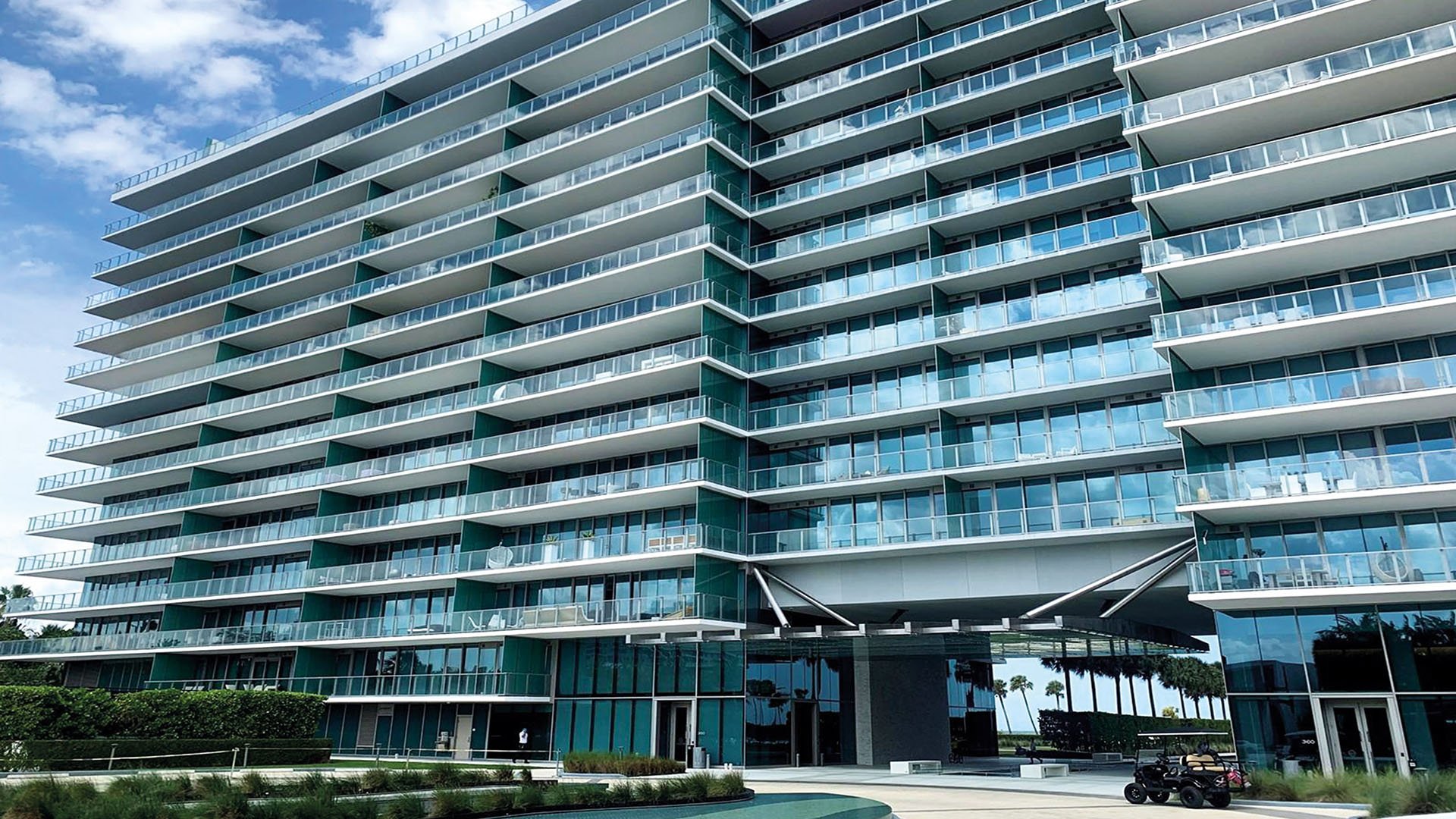
A Key Biscayne condominium purchase in 2026 should be evaluated on two levels. The first is the private residence: exposure, floor plan, condition, privacy, and price. The second is the shared asset: the building, its physical condition, governance, insurance posture, reserve planning, and ability to execute major work.
For buyers focused on waterfront living, that second level warrants particular care. Salt air, wind, water exposure, extensive amenity programs, and aging shared systems can make capital planning consequential. None of these factors automatically signals a problem. They simply make document quality, professional oversight, and financial preparation central to due diligence.
The practical principle is clear: a polished unit cannot compensate for an unclear association file. Resale buyers should therefore evaluate the residence and the condominium association as two related investments.
A milestone inspection, a structural integrity reserve study, commonly called a SIRS, and the association's reserve funding are connected, but they are not interchangeable.
The inspection workstream addresses physical condition and whether identified components require further evaluation, maintenance, repair, or remediation. The SIRS workstream considers designated shared components, their expected remaining useful life, and the funding associated with future replacement or major repair. The reserve workstream shows how the association plans to accumulate, hold, and deploy money for capital needs.
Buyers should resist reducing all three to a single question such as, “Did the building pass?” The more useful inquiry is whether the documents align. Do the engineering observations correspond with the reserve schedule? Does the adopted budget reflect the study? Do meeting minutes describe decisions, bids, or projects that have not yet appeared in the financial statements?
Applicability, terminology, timing, and legal consequences can vary by property and circumstance. Florida condominium counsel and qualified technical advisers should confirm what applies to the specific building under consideration.
Begin with the most current inspection and reserve materials available, then request earlier versions when they help explain changes. The review should also include adopted budgets, recent financial statements, reserve balances, meeting minutes, notices, pending or approved assessments, major contracts, available bids, insurance information, claims history made available for review, and records of significant completed work.
Read these materials as a single chronology. A reserve study may identify a future project, minutes may show that the board is accelerating it, and a budget may reveal whether funding has begun. Conversely, an earlier engineering concern may already have been addressed. Dated documents should never be interpreted without reviewing subsequent records.
For a residence at Oceana Key Biscayne or any other island condominium, counsel should confirm the precise disclosure package and contractual review rights. An engineer can interpret technical language, while a condominium-focused accountant or financial adviser can test the funding implications.
A headline reserve balance is not enough. Buyers need context: the schedule of anticipated work, the funds assigned to it, the timing assumptions, existing obligations, and the association's method for addressing any shortfall.
Create three ownership scenarios. The base case follows the adopted budget and disclosed obligations. The expected case incorporates projects that appear reasonably likely from the current file. The stressed case allows for higher costs, changed timing, or an additional owner contribution. This is not a forecast; it is a liquidity exercise designed to show whether the purchase remains comfortable under less favorable conditions.
Separate recurring assessments from special assessments, and distinguish an approved obligation from a project still under discussion. Confirm which charges attach to the seller, which may transfer with the unit, and how the purchase contract allocates responsibility. Do not rely on verbal summaries when written confirmation is available.
For investment analysis, model carrying costs independently of hoped-for appreciation or rental income. The same discipline applies when comparing island inventory with Vita at Grove Isle or The Ritz-Carlton Residences® Miami Beach. Different ownership structures and building files require individual review, not broad assumptions based on neighborhood or age.
Good governance is visible in the record. Look for a consistent meeting cadence, clearly documented decisions, competitive bids where appropriate, professional advice, realistic schedules, and transparent owner communications. Repeated deferrals, unexplained budget changes, incomplete minutes, or conflicting descriptions warrant follow-up.
The goal is not to find a building with no future capital work. Every condominium requires maintenance and renewal. The stronger question is whether the association identifies needs early, funds them deliberately, and communicates its decisions coherently.
Luxury buyers may also compare the clarity of the Key Biscayne file with newer alternatives such as Una Residences Brickell. New-construction and established resale properties present different diligence questions, but neither is exempt from document review.
Before the review period expires, assemble a coordinated team: condominium counsel, a unit inspector, an engineer when building-level interpretation is needed, an insurance adviser, and a tax or financial professional. The purchase contract should allow sufficient time and access to examine the relevant records and resolve material questions.
Maintain a written issues log. For each concern, note the source document, responsible adviser, requested clarification, financial implication, and status. This discipline prevents an elegant renovation or competitive negotiation from distracting from unresolved building matters.
The final decision should reflect both lifestyle and risk tolerance. Key Biscayne can offer a distinctive residential rhythm, but disciplined underwriting remains essential. Price, reserves, anticipated work, insurance, assessments, and personal liquidity belong in the same decision model.
What is a SIRS in a condominium review? It is a structural integrity reserve study used to evaluate specified shared components and related reserve planning. A qualified adviser should interpret the building's actual study.
Is a SIRS the same as a milestone inspection? No. They address different questions, although their findings may influence the same capital plan.
Does an inspection eliminate the possibility of future assessments? No. Future work, changing costs, insurance matters, or funding decisions may still affect owner obligations.
What reserve documents should a buyer request? Request current studies, budgets, financial statements, reserve balances, minutes, assessment notices, bids, and records of major work.
How should buyers interpret a large reserve balance? Compare it with planned projects, timing, assigned funds, existing commitments, and the association's current budget.
Should an older engineering document cause immediate concern? Not by itself. Review later inspections, repair records, permits made available, invoices, and board decisions for context.
Who should review technical findings? A qualified engineer should address structural language, while condominium counsel should address legal and contractual implications.
Can the seller pay a special assessment? Responsibility depends on the assessment status and negotiated contract terms. Obtain the allocation in writing.
How should insurance fit into due diligence? Review available association coverage and consult an insurance adviser about unit-level coverage, deductibles, exclusions, and potential exposure.
What is the most useful final question before closing? Ask whether the building's physical needs, funding plan, governance record, and your liquidity remain aligned under a stressed scenario.
For a tailored shortlist and next-step guidance, connect with MILLION.
If branded residences are on your mind — as a home or as an allocation — we would be glad to share what we are seeing, privately.
Begin a quiet conversation