A discreet due-diligence framework for evaluating access control, visitor handling, digital privacy, staffing, deliveries and emergency readiness before buying in Edgewater.
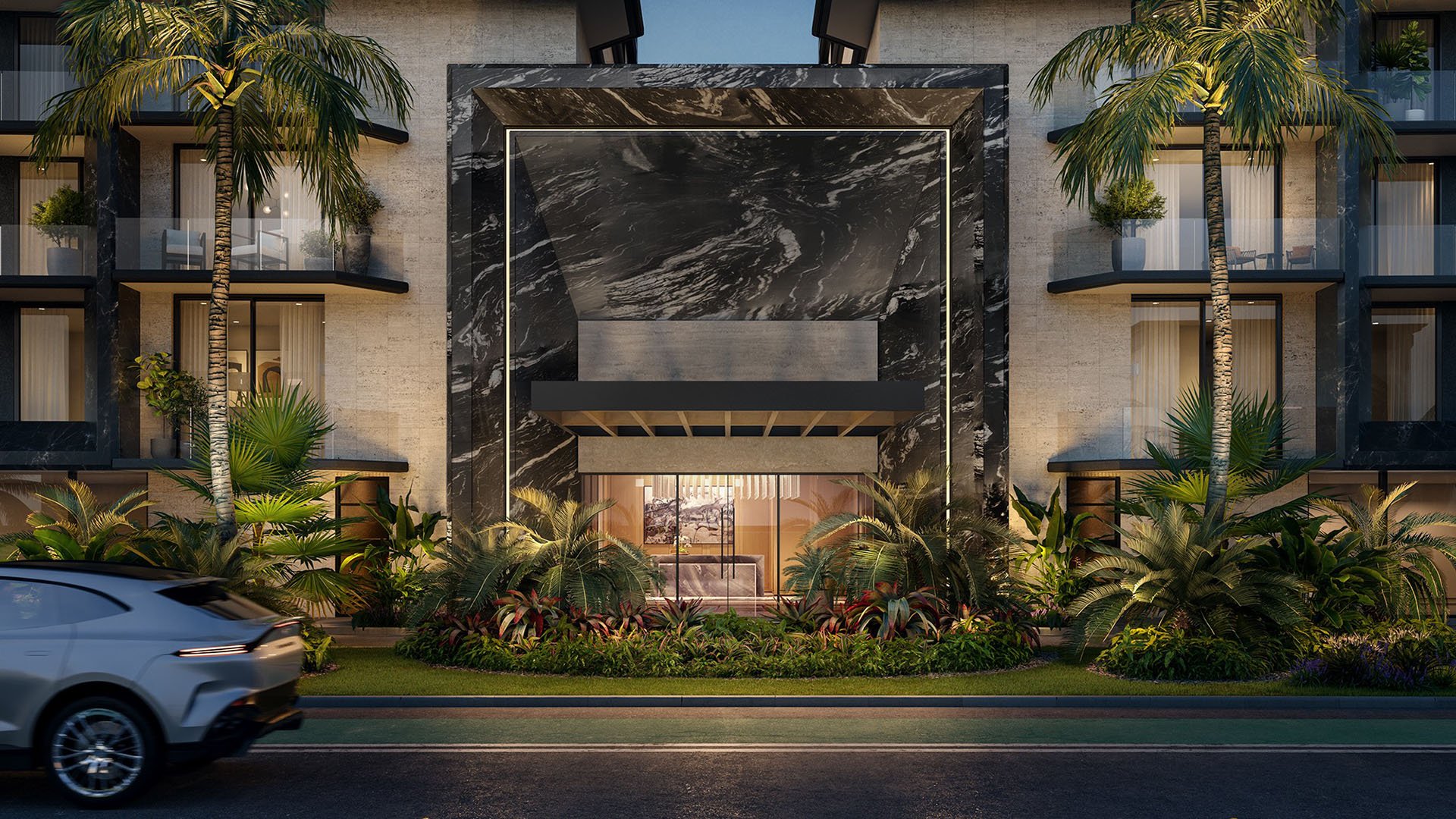
For buyers considering Edgewater in 2026, privacy begins well before the residence door. It is shaped by the full sequence of arrival: street access, garage entry, lobby reception, elevator control, amenity circulation and entry to the private home. A rigorous evaluation therefore looks beyond cameras, gates and staffed desks to examine how the entire building operates on an ordinary day, during a crowded evening and amid an unexpected event.
This buyer's guide framework applies to both a primary residence and a second-home purchase. It does not assume that any single technology, staffing model or architectural plan is universally superior. Instead, it helps buyers determine whether a building's stated protocols align with their household, travel patterns, staff, guests and appetite for visibility.
Begin with a physical access map. Ask a representative to walk you through the routes used by residents, guests, household employees, contractors, couriers and emergency personnel. A polished front entrance reveals only one part of the system. Garage levels, service corridors, loading areas, amenity floors and secondary doors warrant equal scrutiny.
During tours of Aria Reserve Miami and EDITION Edgewater, follow the same sequence of questions to keep comparisons disciplined. Who authorizes a visitor? Where does that person wait? Can access be limited by floor, time or destination? What happens when a credential is lost, a resident changes staff or a guest arrives unexpectedly?
The aim is not to collect reassuring phrases. Request a demonstration of the resident journey and ask for the applicable written policies. A system is only as effective as its least-controlled route-and the consistency with which staff enforce it.
Technology may verify credentials, but people must interpret unusual situations. Buyers should understand which positions are staffed, how responsibilities differ among reception, valet, management and security personnel, and who has the authority to escalate a concern. Ask how continuity is maintained during shift changes and how residents can report a sensitive issue without discussing it in a public lobby.
Observe tone as closely as procedure. Discretion should feel composed, not theatrical. Staff should be able to protect boundaries without broadcasting a resident's name, unit or schedule. For households with children, assistants, caregivers or drivers, clarify how recurring permissions are created, reviewed and revoked.
When comparing The Cove Residences Edgewater with Villa Miami, prioritize operational fit over branding. Request precise answers about guest confirmation, after-hours arrivals, private events and service-provider access without presuming that either property follows a particular protocol.
Modern access systems may involve resident profiles, mobile credentials, video, vehicle information or visitor records. Before providing personal information, ask what data the building intends to collect, why it is needed, who can view it, how long it is retained and what process governs its deletion. Buyers should also ask whether outside vendors support any part of the system and how permissions are managed when personnel change.
Assess the privacy implications of resident applications, package notifications, amenity reservations and connected-home controls separately. Convenience in one system should not automatically grant access to another. If biometric identification is proposed, request the governing policy and available alternatives before enrolling.
A useful rule is to disclose only what is necessary for a defined purpose. Household members should also understand phishing risks, credential sharing and the privacy cost of posting real-time location details.
Security often becomes most visible at moments of friction. Ask how oversized deliveries, food orders, florists, private chefs, pet services and construction teams are handled. Determine whether packages are held in a controlled area, how recipients are notified and what identification is required for collection. If frequent shipments are expected, inspect the route rather than relying on a description.
Waterfront living may introduce lifestyle considerations, but buyers should verify every relevant access point directly. High floors do not eliminate exposure at shared entrances, elevators or amenity spaces. Likewise, new construction should not be treated as proof of mature operating procedures. Policies, staffing and resident education must function together from the outset.
At Lilli Miami Edgewater, as at any candidate property, ask how move-ins, private vendors and warranty visits would be separated from normal resident circulation. The question is not whether service activity exists, but whether it is predictable, documented and discreet.
Request the current rules governing access devices, guests, keys, parking, deliveries, amenity use, move-ins and contractors. Read them alongside the purchase documents and any available management materials. Distinguish between binding statements, operational practices and purely verbal descriptions.
For a resale, ask whether existing credentials, smart-home accounts and vendor permissions will be reset at closing. For a residence not yet delivered, seek clarity on when protocols will be finalized, who will operate them and how buyers will receive updates. Counsel and qualified technical advisers can help evaluate obligations, privacy terms and system design where appropriate.
The building provides only part of the protection. Create a household protocol covering guest names, vehicle details, delivery instructions, access codes, spare keys and social media. Decide who may authorize entry and how urgent exceptions will be confirmed. Use separate permissions for recurring staff whenever the system allows, and review them on a schedule.
Inside the residence, consider sightlines, window treatments, network configuration, device permissions and secure storage. Avoid connecting every function to a single account. A measured plan should preserve ease of living while reducing unnecessary exposure.
Before committing, conduct a final walkthrough focused solely on security and privacy. Repeat the arrival process from both the garage and the street, test the guest sequence, inspect service circulation and ask how an incident would be communicated. The right building is one whose layers remain coherent after the sales presentation ends.
What should an Edgewater buyer inspect first? Begin with every route from the street, garage and service areas to the residence, then identify who controls each transition.
Is a staffed lobby enough to establish security? No. Buyers should also assess secondary entrances, elevators, loading areas, credentials, written procedures and responsibility for escalation.
Should I request a live access demonstration? Yes. A demonstration can reveal how resident, guest and vendor journeys differ in practice.
What should I ask about visitor records? Ask what information is collected, who may access it, how long it is retained and how deletion requests are handled.
How should household staff receive access? Prefer individually assigned, limited permissions that can be reviewed and revoked without affecting the resident's own credentials.
What matters for package privacy? Review storage, notification, identification and collection procedures, including how oversized or high-value items are managed.
How can buyers assess emergency readiness? Ask who leads an incident response, how residents receive instructions and what alternatives exist if normal access systems are unavailable.
Do smart-home systems require separate diligence? Yes. Confirm account ownership, administrator rights, data practices, reset procedures and the process for removing prior users.
What should be reset at closing? Review physical keys, mobile credentials, access codes, connected devices, network accounts and permissions previously granted to vendors.
When should a specialist be consulted? Engage appropriate legal or technical advisers when documents, privacy terms, system architecture or household risk require deeper review.
When you're ready to tour or underwrite the options, connect with MILLION.
If branded residences are on your mind — as a home or as an allocation — we would be glad to share what we are seeing, privately.
Begin a quiet conversation