A discreet, document-led guide to evaluating Vita at Grove Isle, separating legacy water-damage allegations from redevelopment disputes and identifying the questions buyers should ask about envelope testing, repairs, and responsibility.
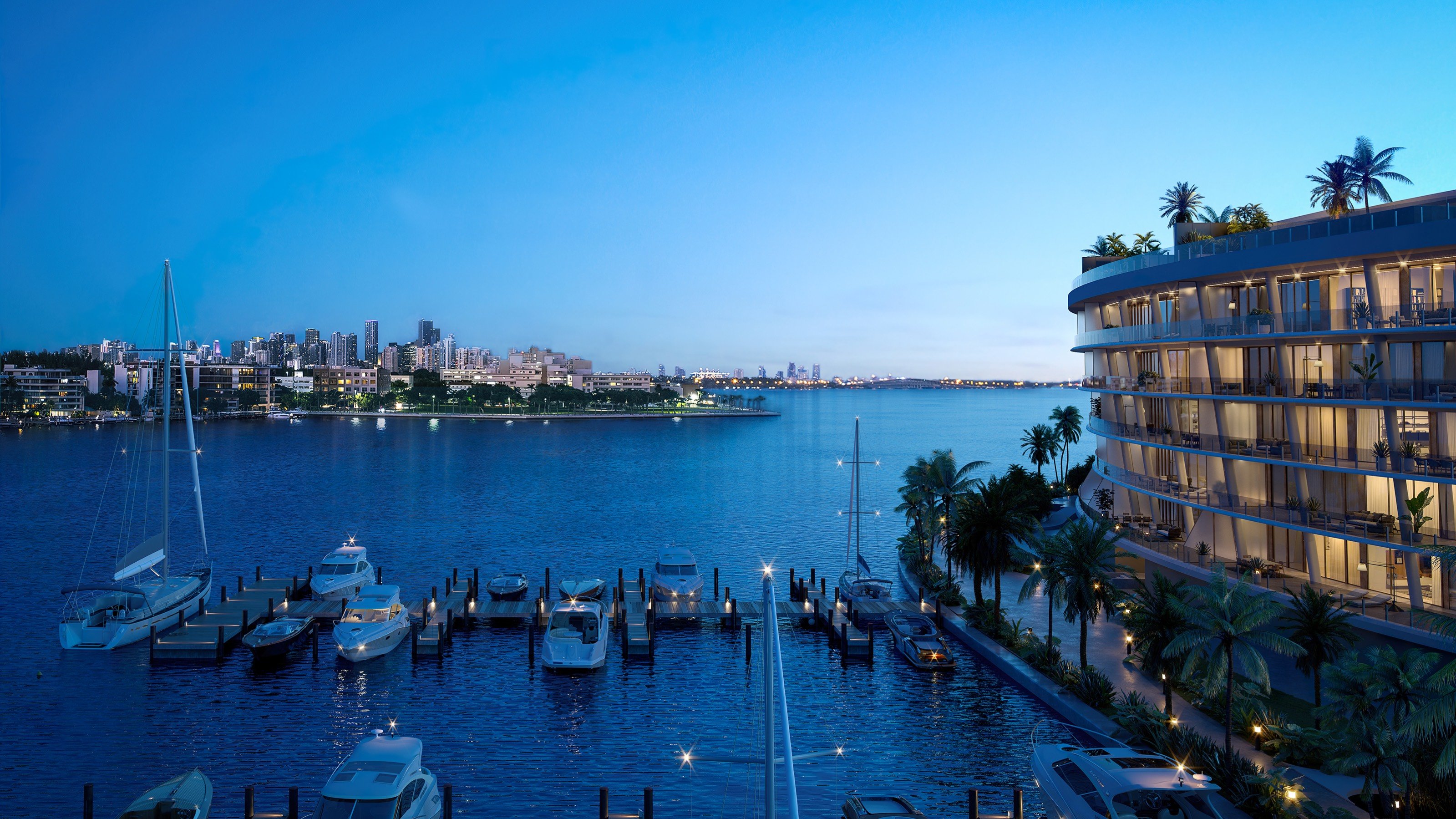
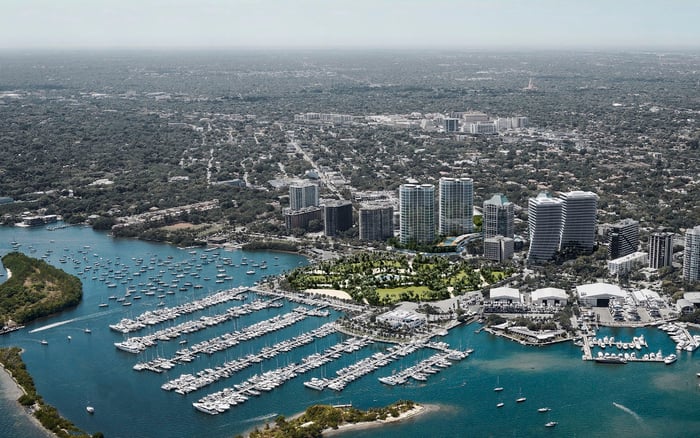
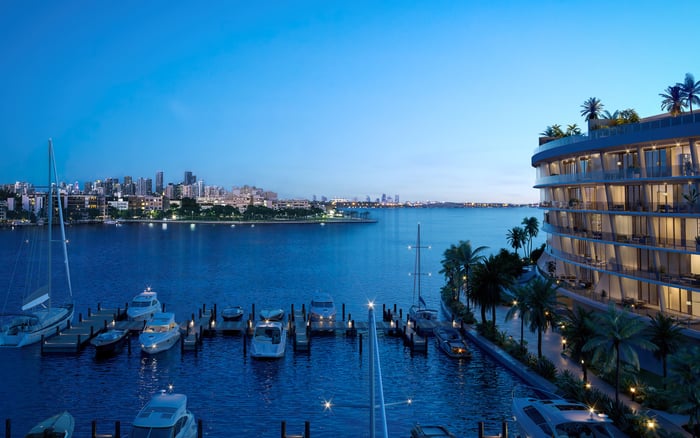
At Vita at Grove Isle, the appeal begins with a distinctive setting: 65 waterfront residences at the northern tip of a Coconut Grove island. Buyer confidence, however, should rest on equally specific documentation. The essential question is not whether the words Grove Isle appear in a water-damage dispute, but which building, association, construction element, and period that dispute concerns.
The distinction matters. Water-damage allegations involving the existing Grove Isle condominium are not evidence of leaks or defective construction at Vita. Nor do Vita’s redevelopment controversies establish a failure of its building envelope. A disciplined acquisition keeps legal history and physical performance separate, then asks the appropriate professionals to evaluate each.
The objective is neither to dismiss an uncomfortable history nor to turn it into a broader accusation. It is to understand what the records establish about the residence being purchased-and what still requires a written answer.
The redevelopment history includes a June 2021 settlement between the Grove Isle Condominium Association and Grove Isle Associates after six years of lawsuits and appeals, clearing a path for redevelopment. In April 2024, residents challenged the legality of building permits issued for Vita. Their objections concerned platting requirements and a 1977 covenant limiting residential units on the island. These were legal allegations, not established findings of construction defects.
The legacy condominium has a separate history. In a 2022 appellate case involving Grove Isle Association and a unit owner, the owner alleged severe water damage caused by a failing roof assembly. He also alleged that the association ignored roof complaints and failed to fulfill maintenance obligations. Those allegations concerned the existing condominium, not Vita.
Before drawing conclusions, ask counsel to identify the property and parties in each relevant document. Historical litigation should also be checked for subsequent developments, not treated as a statement of present status.
For Vita, water-intrusion history and envelope performance require documentary verification; they should not be treated as proven problems. The island’s legal history supports neither an assurance of flawless performance nor an assertion of defective construction.
Ask the seller or appropriate project representative for available written disclosures, water-entry complaints, investigation records, repair documentation, and related correspondence specific to Vita. The request should cover the residence under consideration and any building components your adviser identifies as relevant. Do not assume these records exist or that every requested document will be available.
For each disclosed event, ask what happened, where it occurred, when it was identified, who assessed it, and how the response was documented. A description such as “resolved” needs context: what work was completed, and what evidence supports closure?
Distinguish unavailable records from affirmative statements that no incidents occurred. Ask for the basis of any such statement. These are different answers, and your decision should reflect that distinction.
A reference to envelope testing is a starting point, not a conclusion. Request the underlying Vita-specific testing documentation, if available, and have a qualified independent building-envelope professional interpret its relevance to the proposed purchase.
Begin with straightforward documentary questions: What was evaluated? Where and when did the evaluation occur? Who performed it? What criteria were used? What conclusions and limitations were recorded? These are questions for the file-not a prescribed testing protocol or an assertion that Vita has undergone any particular procedure.
Ask the professional to explain how the documented scope relates to the residence and surrounding building components. A buyer should not independently extend a conclusion beyond the locations or conditions addressed in the record.
If testing identified an issue, request the associated corrective-work documentation and any subsequent evaluation. If the documentation contains unresolved qualifications, ask for a written explanation of their significance. The goal is a coherent sequence from observation to response to documented outcome, wherever that sequence exists.
For any terrace, glazing, or exterior opening associated with the residence, ask your adviser which available records are relevant. An attractive finish, an unobstructed outlook, or a general project assurance should not be taken as an answer to questions about concealed construction or documented performance.
Keep the review tailored to the property rather than importing inspection specifications from another development. Ask the independent professional whether additional evaluation is warranted, what access would be required, and what the evaluation could reasonably establish.
Responsibility deserves a parallel inquiry. Have counsel review the governing documents and applicable agreements to explain who would address a concern involving the residence or adjacent common elements. Do not infer those obligations from the legacy association’s litigation or another owner’s experience.
Vita replaces a former amenities complex that included a clubhouse, swimming pool, Tiki hut bar, and the waterfront restaurant Baleen. The redevelopment changed more than a building footprint. By February 2025, substantial obstruction of waterfront views previously enjoyed by legacy Tower Three residents had become part of the island’s controversy.
That context helps explain the setting, but it does not establish an envelope defect or describe the outlook from a particular Vita residence. Evaluate the proposed purchase on its own terms: the actual view, the applicable amenity rights, and the documents defining access and obligations.
A view concern, a permitting allegation, and a water-entry complaint may all influence a buyer’s comfort. They are not interchangeable evidence.
Before committing, organize outstanding questions into legal, physical-condition, and ownership-responsibility categories. Ask counsel to assess the legal documents and the current status of relevant disputes. Ask the independent building professional to evaluate available performance evidence and identify material uncertainties within the agreed scope.
Then reconcile their conclusions with the transaction timetable. Discuss with counsel what document access, evaluation opportunities, and contractual protections to request, rather than assuming they are automatic entitlements.
At this level of the market, discretion and rigor belong together. Vita should be evaluated neither through inherited allegations nor through aesthetic confidence alone, but through records tied to the building and residence being acquired.
For a considered approach to South Florida waterfront ownership, explore MILLION.
If branded residences are on your mind — as a home or as an allocation — we would be glad to share what we are seeing, privately.
Begin a quiet conversationNo. The 2022 case involved allegations about a failing roof assembly at the existing Grove Isle condominium, not Vita.
The challenges concerned redevelopment approvals, including alleged platting deficiencies and a 1977 covenant limiting residential units. They were not established findings of envelope failure.
No; unavailable documentation is different from an affirmative statement that no incidents occurred. Ask for the basis of any such statement.
Vita occupies the island’s northern tip in Coconut Grove and contains 65 waterfront residences.
Request available Vita-specific disclosures, complaints, investigations, repair records, and related correspondence. Distinguish unavailable documentation from a supported statement that no incidents occurred.
Ask a qualified independent building-envelope professional to assess its scope, criteria, conclusions, and limitations. The review should explain its relevance to the residence being purchased.
Request records describing the corrective work and any subsequent evaluation. Ask what evidence supports a statement that the matter was resolved.
Not by itself. Counsel should check subsequent developments and identify the property, parties, and issues relevant to the transaction.
No. View obstruction is a separate issue from water intrusion and does not describe envelope performance or the outlook from a particular Vita residence.
Counsel should review the governing documents and applicable agreements to explain responsibility. A building professional can separately assess the physical-condition questions within the agreed scope.