A disciplined Miami Beach acquisition pairs structural and reserve diligence with insurance renewal timing and committed capital spending, giving family offices a clearer view of liquidity needs before closing.
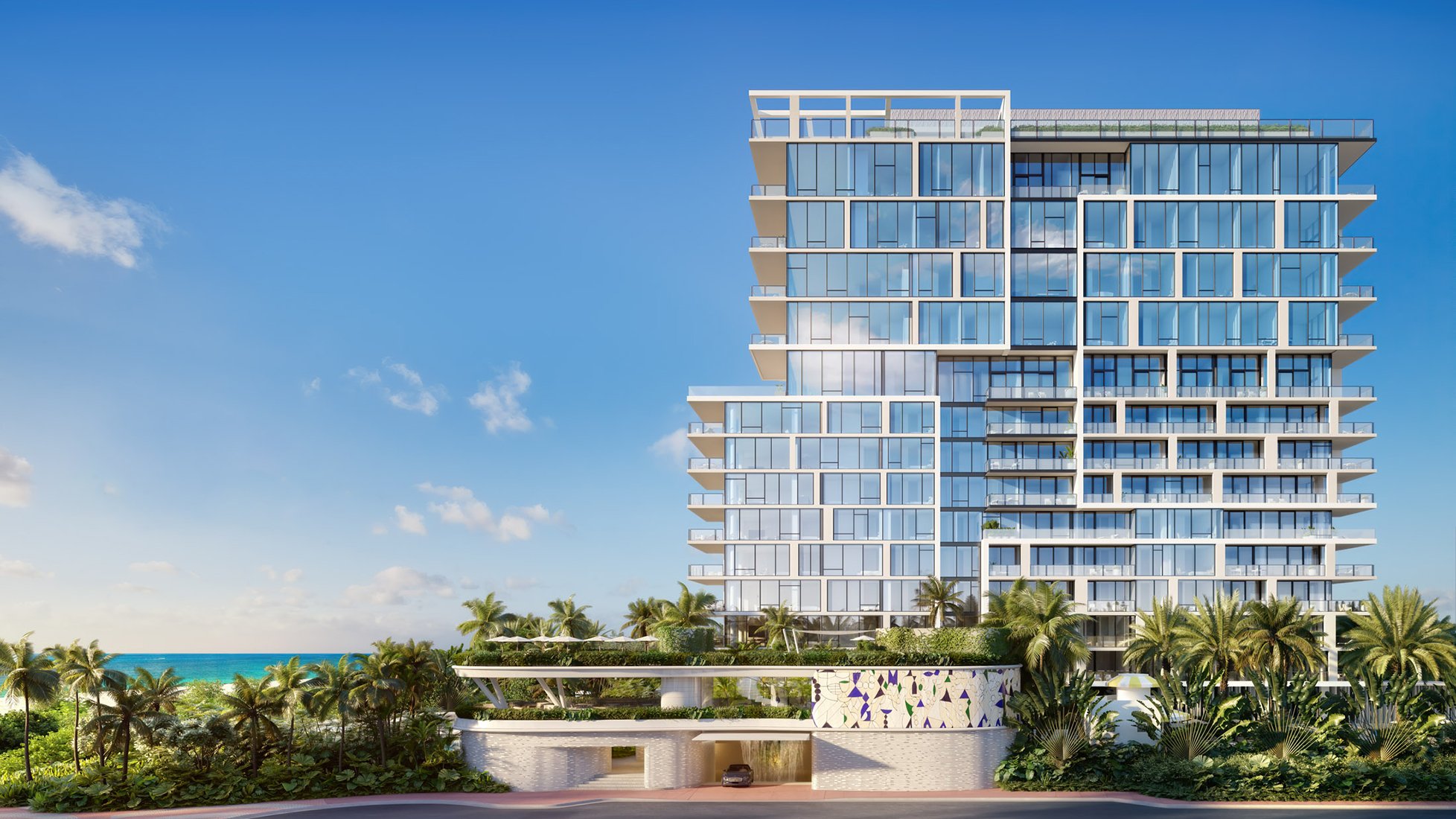
For a family office acquiring in Miami Beach, the residence is only part of the investment decision. The association’s obligations deserve equal attention: when structural work must occur, how reserves will accumulate, and whether the next insurance renewal will place another demand on cash. The objective is not merely to confirm that documents exist, but to determine whether their assumptions align.
A shortlist that includes 57 Ocean Miami Beach should therefore have a parallel financial workstream. For each candidate, place the reserve schedule, insurance renewal and pending capital projects on one calendar. This is an acquisition framework, not an additional statutory requirement. The property references here imply no particular funding or compliance condition.
The essential question is straightforward: what money may be needed, when, and from whom?
Florida’s milestone-inspection regime generally covers condominium and cooperative buildings with three or more habitable stories. A licensed engineer or architect evaluates structural condition. The general initial threshold is 30 years, followed by milestone inspections every 10 years. Confirm the building-specific deadline rather than assume a universal coastal trigger.
A Structural Integrity Reserve Study, or SIRS, serves a different purpose. It addresses reserve needs for major structural and life-safety components and also generally applies to buildings with three or more habitable stories. Its component inventory, remaining useful lives, replacement-cost estimates and recommended contributions are central to acquisition underwriting. A structural assessment is not a funding plan, and a funding plan is not proof of structural condition.
The 2025 legislative changes moved the general initial SIRS deadline from December 31, 2024, to December 31, 2025, for existing owner-controlled associations. Eligible associations required to complete a milestone inspection on or before December 31, 2026, may complete the SIRS simultaneously, with December 31, 2026, as the final completion date under that pathway. This is not a blanket extension.
Required SIRS reviews follow a separate 10-year cycle. Have counsel confirm the applicable initial deadline and pathway before treating a calendar entry as evidence of compliance.
Request the complete SIRS and inspection findings, then compare them with actual reserve cash, the adopted budget, assessments and a five-year capital plan. Review each component rather than accept a single reserve-balance figure as the answer.
For each material item, identify the estimated expenditure date, cost assumption, recommended contribution and funding already committed. Ask management to explain discrepancies between the study and the adopted budget. Do not treat cash allocated to another obligation as available for a second project without confirming that treatment with the association’s advisers.
If Faena House Miami Beach enters the comparison, apply the same reconciliation rather than substitute the residence’s appeal for financial evidence. The question is whether the documents support the proposed ownership budget, not whether the building fits the family’s aesthetic brief.
Separate collected assessment proceeds from amounts scheduled for collection. Then distinguish planned contributions from money already held. Those distinctions make the liquidity model more useful than a headline reserve total.
Insurance diligence should begin with the renewal date, full policy, deductibles, exclusions, loss runs, renewal quotations and outstanding insurer-required repairs. Ask the insurance adviser to distinguish current coverage from proposed renewal terms and unresolved requirements. An existing policy does not answer every question about the next policy period.
Place the renewal alongside the proposed closing date and construction schedule. If a quotation depends on repairs, identify the required scope, completion timing and evidence the insurer expects. Keep uncertain pricing or coverage assumptions visible rather than bury them in a seemingly settled operating budget.
For a candidate such as Setai Residences Miami Beach, the same questions should guide the request for association documents. Do not infer premiums, deductibles or repair obligations from the property’s address or presentation.
The underwriting should clearly distinguish known current costs, quoted renewal terms and unresolved exposures requiring further review.
For every pending capital project, request the scope, permit status, bids, contract price, contingency, timing and committed funding. Separate structural work, insurer-required work and discretionary amenities. These categories help the investment committee understand why an expenditure is proposed and what may determine its timing.
Create one line for each project and cross-reference it to the reserve study and insurance requirements. Where one scope satisfies multiple objectives, avoid counting the cost twice. Where related scopes are genuinely separate, do not combine them into a single allowance simply because they concern the same building component.
Ask which figures are estimates, which are supported by bids and which are contractually committed. Track proposed assessments separately from funding already secured.
A residence under consideration at Apogee South Beach should undergo the same review. The recommendation is consistent diligence across candidates, not an assertion that any named property has a pending project or assessment.
Present base, stress and severe cases using explicit assumptions, not unsupported forecasts. The base case should use documented budgets, reserve contributions, current coverage and committed project costs, while identifying any unresolved renewal.
The stress case should test selected uncertainties: a higher renewal quotation, a revised project price or an accelerated expenditure date. The severe case should examine several adverse assumptions occurring together, particularly where reserve contributions and project payments converge. Use adviser-supported inputs and label hypothetical adjustments clearly.
For each case, show the association-level funding need and the proposed unit’s exposure using the allocation applicable to that residence. Have counsel and the financial team confirm the basis rather than assume equal shares across all units.
The committee should see both total expected outlay and peak liquidity demand. A cost that appears manageable over five years may warrant a different decision when payment falls close to closing.
Translate material uncertainties into a decision: accept the exposure, revise the price, seek an appropriately drafted escrow or closing condition, or defer commitment. These are negotiating options, not automatic buyer rights, and should be structured with counsel.
Before approval, assign each open item to an adviser or decision-maker and set a resolution date. The final memorandum should distinguish documented obligations, modeled contingencies and unanswered questions. Discretion in a luxury acquisition should not mean ambiguity in the ownership budget.
For a considered approach to Miami Beach residences and ownership priorities, explore MILLION.
If branded residences are on your mind — as a home or as an allocation — we would be glad to share what we are seeing, privately.
Begin a quiet conversationThe regime generally covers condominium and cooperative buildings with three or more habitable stories. Confirm applicability for the specific building.
The general initial threshold is 30 years, followed by inspections every 10 years. Buyers should confirm the building-specific deadline rather than assume a universal coastal rule.
A licensed engineer or architect conducts the inspection to evaluate the building’s structural condition.
A SIRS addresses reserve needs for major structural and life-safety components. A milestone inspection evaluates structural condition rather than establishing the reserve funding schedule.
Review component inventories, remaining useful lives, replacement-cost estimates and recommended reserve contributions. Reconcile them with actual reserve cash, adopted budgets, assessments and planned projects.
No. That date is the final completion date under the simultaneous-inspection pathway for eligible associations required to complete a milestone inspection on or before December 31, 2026.
Required SIRS reviews operate on a 10-year cycle. That cycle is separate from the initial completion deadline for existing associations.
Request the renewal date, full policy, deductibles, exclusions, loss runs, renewal quotations and outstanding insurer-required repairs. Distinguish existing coverage from unresolved renewal terms.
Track scope, permits, bids, contract price, contingency, timing and committed funding. Separate structural work, insurer-required repairs and discretionary amenities while avoiding duplicate cost allowances.
Test their effect in base, stress and severe cases before investment approval. With counsel, consider pricing changes, negotiated escrow or closing conditions, or deferring commitment.