For a family office comparing ocean horizons with bay and skyline views, the decisive questions sit behind the glass: address-level exposure, documented emergency power, evacuation logistics and accountable care during long absences.
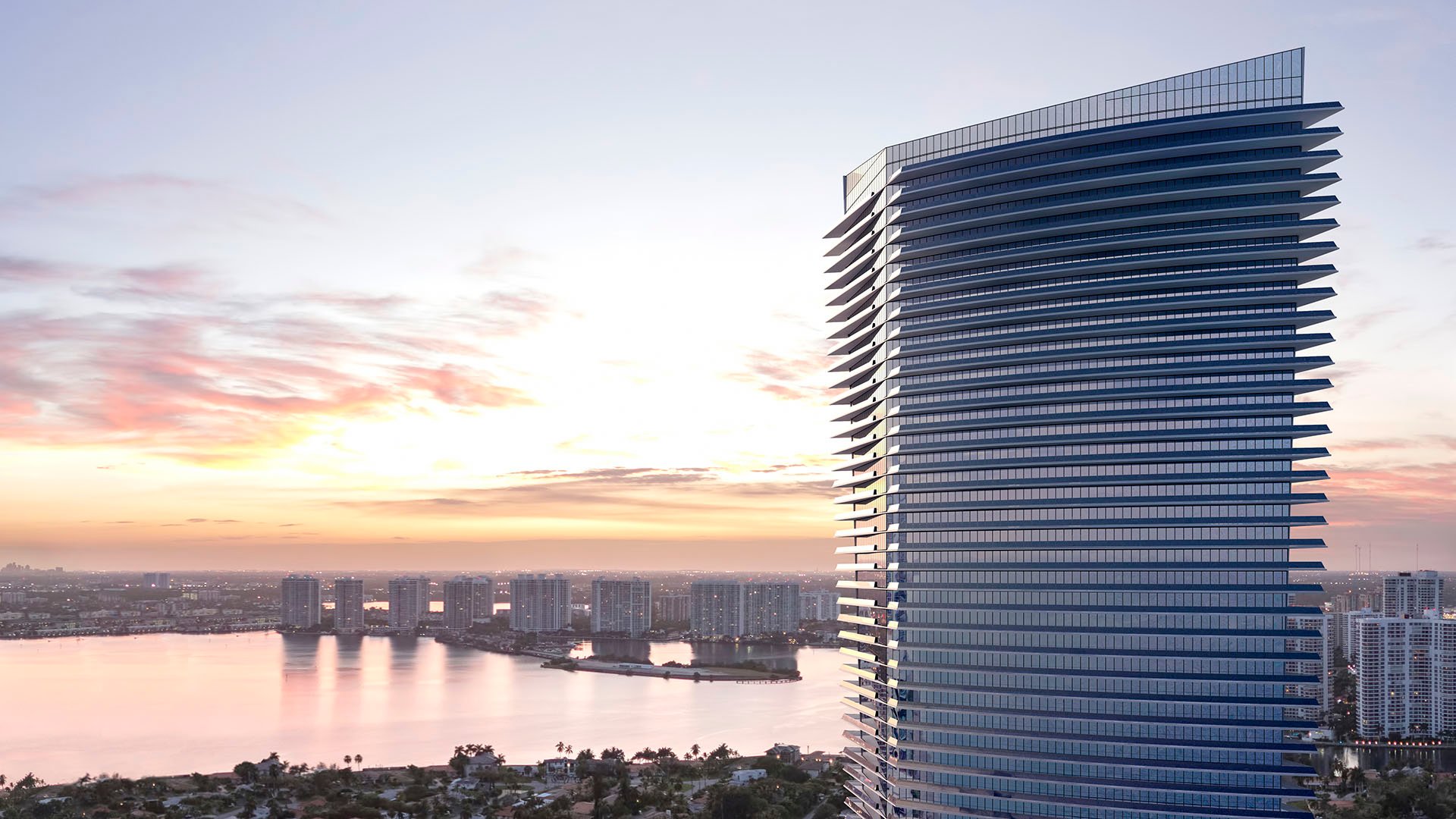
An ocean horizon and a layered bay-and-skyline panorama offer different pleasures. For a family office, however, the acquisition decision should separate aesthetic preference from operational resilience. The residence must serve the family when occupied and have a credible management plan when everyone is elsewhere.
“Protected bay” is a description to test, not an assurance against storm surge. Neither an ocean outlook nor a quieter-looking waterfront establishes a universal resilience ranking, an insurance advantage or a predictable outage duration.
If the shortlist includes The Perigon Miami Beach, evaluate the Miami Beach address through the same diligence framework used for any bay or skyline alternative. The objective is not to choose a safer-looking view, but to identify a property whose documented exposure and operating arrangements meet the family’s requirements.
Start with two distinct designations: the storm-surge planning zone and the FEMA flood zone. They are not interchangeable. Obtain the current address-level designations and ask advisers to explain what each means for the acquisition.
For each candidate, request flood and surge information, exact elevation, tidal connections, drainage conditions and waterfront defenses. Examine the location of essential equipment as carefully as the residence’s floor level. A comparison involving Onda Bay Harbor should ask the same questions rather than treating the bay setting as proof of protection.
Keep a dated address record in the acquisition file, and verify current evacuation orders during an event. Planning designations should not become a private rule for deciding whether to leave.
Request structural, façade, roof and waterproofing assessments; glazing approvals and installation records; equipment elevations; reserve studies; and hurricane-repair history. The distinction that matters is between reassuring language and documentation that technical advisers can evaluate.
Request the board’s hurricane-protection specifications and have counsel confirm applicable requirements. Establish which protective measures are the association’s responsibility and which belong to the owner.
For a Brickell candidate such as Una Residences Brickell, maintain the same distinction between architectural appeal and verified operating capability. These are diligence requests, not assertions about any named project’s resilience or services.
Commission legal and technical reviews before committing. Identify unresolved questions explicitly rather than allowing a general impression of quality to obscure them.
“Emergency generator” begins the conversation; it does not settle it. Request the written supported-load schedule, fuel capacity, estimated runtime at those loads, refueling arrangements, transfer-switch test results and maintenance records.
Then translate the equipment schedule into household consequences. Which elevators remain available, and under what operating rules? Are water pumps, sewage equipment, security systems, garage gates and communications supported? Does backup power include any residence cooling, or only specified common and essential systems?
Require answers that distinguish installed capability from promised service. Tie runtime to stated loads rather than accepting an unconditional duration. Review refueling arrangements separately; they are not an automatic extension of fuel already on site.
Do not treat the presence of fire-service-access elevators as a guarantee of passenger service during an outage. Confirm actual operating protocols separately, especially where family members or staff require accessible circulation.
For a Miami-Dade residence, verify the address’s evacuation planning designation in advance and check event-specific official orders when a storm threatens. Do not use hurricane category alone as the household’s departure rule.
For a Sunny Isles Beach shortlist that includes Jade Signature Sunny Isles Beach, assign departure responsibilities before the residence enters regular use. Identify who coordinates family, staff, pets and transport, and consider alternative access if roads or bridges close.
For a Broward candidate, obtain the applicable local evacuation plan rather than carrying over assumptions from a Miami-Dade address. Official orders govern; general planning maps are not substitutes for local emergency direction.
Re-entry requires a separate checklist. Confirm access, elevator availability and water service before scheduling the household’s return. Allow for delayed occupancy rather than assuming the return will mirror the departure.
For long absences, translate hospitality expectations into assigned duties. Seek a written protocol covering pre-storm inspections, balcony clearance, approved protection deployment, water shutoff, humidity control, remote alerts and photographic post-storm documentation.
For each duty, specify the responsible party, activation trigger, access authority and required confirmation. Ask what happens if the usual contact is unavailable and how responsibilities change when evacuation orders or access restrictions prevent attendance.
Separate association obligations from privately contracted in-residence services. Confirm whether inspections and interventions are included, separately arranged or unavailable under specified conditions. None should be inferred from a service-oriented presentation.
The family office should retain one consolidated contact and authorization file, with escalation instructions that remain usable when the principal is abroad. Treat monitoring as a defined service, not an assumption that someone will notice a problem.
Insurance warrants its own comparison. Review master-policy coverage, named-storm deductibles, flood exclusions and potential loss-assessment exposure, then obtain a unit-owner quote before committing. Do not presume that either view category carries lower premiums or losses.
Build the final decision sheet around five headings: address exposure, building condition, emergency operations, departure and return, and absence management. Mark each material point as documented, unresolved or requiring a separate contract. Define unacceptable gaps before allowing the preferred panorama to influence the conclusion.
Once both candidates satisfy the family’s operational requirements, the view can return to its proper role: a personal choice about how to live. Disciplined diligence does not diminish that pleasure; it keeps the purchase aligned with how the residence will actually be used.
For a discreet conversation about aligning South Florida residences with your family’s priorities, connect with MILLION.
If branded residences are on your mind — as a home or as an allocation — we would be glad to share what we are seeing, privately.
Begin a quiet conversationNo universal ranking follows from the view. Compare each address’s elevation, tidal connections, flood and surge designations, drainage, waterfront defenses and building documentation.
Request current flood and storm-surge planning designations, elevation, drainage information and waterfront-defense records. Keep a dated record and have advisers explain unresolved exposure questions.
No. Review both designations for the exact address because they are distinct.
No; do not use hurricane category alone as a departure rule. Check event-specific official evacuation orders and prepare the household’s logistics in advance.
Obtain the applicable local plan rather than carrying over assumptions from a Miami-Dade address. Follow official orders instead of treating general planning maps as event-specific direction.
Request the supported-load schedule, fuel capacity, runtime at those loads, refueling arrangements, transfer-switch test results and maintenance records. Confirm which household and building systems actually remain usable.
No; request the building’s actual outage operating protocols. Confirm accessible circulation arrangements for family members and staff.
Request structural, façade, roof and waterproofing assessments, glazing records, equipment elevations, reserve studies and hurricane-repair history. Also obtain the board’s hurricane-protection specifications.
It should assign responsibility for inspections, balcony clearance, approved protection, water shutoff, humidity control, alerts and post-storm documentation. Clarify access authority, activation triggers and backup contacts.
Review master-policy coverage, named-storm deductibles, flood exclusions and potential loss-assessment exposure. Obtain a unit-owner quote rather than assuming an ocean or bay view predicts insurance cost.