A unit-specific checklist for evaluating acoustic assemblies, equipment adjacency, condominium noise rules, and contractual protections at The Lincoln Coconut Grove.
In a luxury residence, privacy includes what you do not hear. At The Lincoln Coconut Grove, the starting point should be neither an assumption of silence nor a presumption of noise. It should be a unit-specific evidence file connecting construction details, neighboring equipment, and the rules that will govern everyday living.
Treat tested in-unit sound performance, equipment adjacency, and noise-enforcement procedures as separate buyer-verification items. Missing documentation does not establish poor acoustics, just as a sales assurance does not establish tested performance.
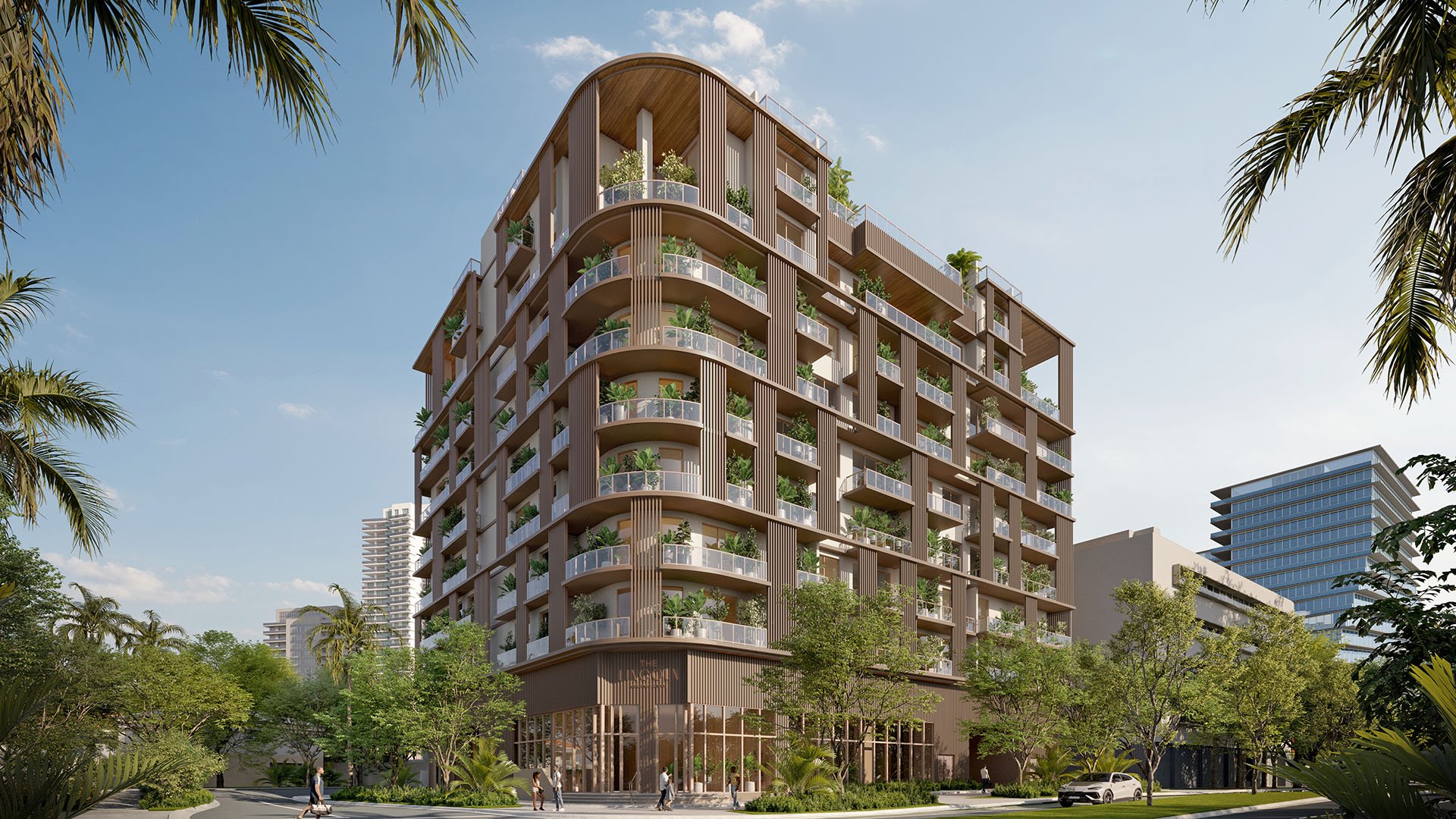
Architectural renderings and descriptions of finishes can explain an intended living environment; they do not establish acoustic performance. Request the specifications applicable to your residence and ask which depicted features and arrangements are contractual commitments.
Buyers should have counsel review the purchase agreement's delivery provisions separately from any sales timeline. Ask how changes to plans, features, amenities, or equipment locations would be handled under the agreement.
For a buyer also considering Arbor Coconut Grove, the useful comparison is documentary: what can each seller substantiate for the particular residence? This checklist does not establish an acoustic ranking between the projects.
Request marked architectural and mechanical/electrical/plumbing plans, together with elevator, garage, rooftop, and amenity plans. Ask the team to identify every space beside, above, and below the selected residence, including any mechanical rooms, elevator equipment, refuse rooms, loading areas, and amenity equipment.
The response should distinguish the bedroom's surroundings from those of the living room or den. A floor plan showing only neighboring apartments does not resolve the full adjacency question. Request written identification of equipment locations and structural connections rather than relying on an unmarked sales drawing.
If the residence is beneath or beside a pool, fitness space, terrace, or other amenity, request the relevant impact-control and equipment-isolation details. This is a conditional checklist, not a statement that any particular Lincoln residence has such an adjacency.
Retain the plan revision date with each answer. Ask how revisions affecting your residence will be communicated and whether the final arrangement will be confirmed before closing.
Ask for floor and wall specifications, including slab thickness, underlayment, resilient channels, suspended-ceiling details, finish-floor requirements, and demising-wall construction, as applicable. The objective is to understand the proposed assembly, not simply collect product names.
Request STC evidence for airborne sound and IIC evidence for impact sound. Each test result should identify the exact assembly tested. A generic product rating is no substitute for evidence addressing the proposed combination of structure, isolation materials, ceiling, and finish flooring. Ask your acoustic adviser to distinguish laboratory results from testing performed in a completed residence.
Apply the same discipline to a comparison with Opus Coconut Grove: seek residence-specific documentation without treating design language as acoustic proof.
Extend the request to glazing and doors, plumbing penetrations, bathroom stacks, exhaust and ventilation ducts, and fan-coil units, where applicable. Ask the design team to explain the specified treatment for these pathways and identify which details apply to your residence.
Equipment location is only the beginning. Request mounting details, vibration-isolation specifications, structural connections, operating hours, and any proposed nighttime restrictions. Have an acoustic adviser assess the package against the residence's actual position.
A useful written response identifies both the equipment and its planned isolation treatment. An assurance that equipment will be quiet leaves the buyer without an agreed performance criterion. Ask whether the design includes an acoustic consultant, a testing protocol, and completed-residence acceptance standards, and request the relevant documentation.
Apply the same questions when considering Four Seasons Residences Coconut Grove. This is a comparison framework, not a claim about that project's mechanical systems or sound performance.
Construction specifications and condominium rules address different aspects of the buyer's concern. Request the declaration, bylaws, floor-covering rules, alteration-approval requirements, and noise provisions. For flooring changes, ask what documentation an owner must submit and how approval would be evaluated.
Then trace the complaint process from beginning to end. Request any applicable evidence standards, cure notices, fine schedule, hearing procedures, and assignment of responsibility for administering complaints. Quiet hours, if proposed, should be supplied in writing, not inferred from the building's positioning.
Have counsel determine whether the governing documents address residents, guests, contractors, the developer, and any amenity or commercial operators. Do not assume that a provision covering residents resolves every potential source of disturbance.
Distinguish a proposed enforcement framework from a demonstrated record of association action. Ask which documents are available, whether they remain subject to revision, and how any changes would affect the purchase.
If an acoustic representation is material to the purchase, ask counsel to include it in the purchase agreement or an incorporated exhibit. Proposed language should address test criteria, acceptance standards, retesting, and remediation, as appropriate to the negotiated transaction.
Before closing, consider independent, unit-specific airborne and impact testing after finishes are installed, with building equipment operating under representative conditions. Discuss access, timing, test scope, and the treatment of unsatisfactory results before assuming that any inspection or remedy is available.
These are requests for negotiated protection, not statements of existing contractual rights. Keep a sales assurance, a technical specification, and an enforceable commitment clearly distinguished.
Retain marked plans, specifications, test results, governing documents, written adjacency answers, inspection findings, and any defect notice-and-cure correspondence. Organize the file around three decisions: what is specified, what remains unverified, and what is contractually addressed.
The strongest purchase decision is not a declaration that the building will be silent. It is an informed judgment about the selected residence, supported by documents and reviewed by the appropriate advisers.
For a discreet perspective on South Florida residences and buyer priorities, explore MILLION.
If branded residences are on your mind — as a home or as an allocation — we would be glad to share what we are seeing, privately.
Begin a quiet conversationKeep residence-specific plans, assembly specifications, test results, governing documents, and written equipment-adjacency answers. Separate technical evidence from sales assurances and contractual commitments.
No. Missing documentation leaves performance unverified rather than establishing an acoustic defect.
Request marked architectural, mechanical/electrical/plumbing, elevator, garage, rooftop, and amenity plans showing the spaces beside, above, and below the selected residence.
Request STC evidence for airborne sound and IIC evidence for impact sound, with results identifying the exact tested assembly. Ask an acoustic adviser to distinguish laboratory ratings from completed-residence test results.
It does not establish performance for the residence's complete floor-and-ceiling assembly. Request evidence identifying the structure, isolation materials, ceiling, and finish flooring tested together.
Request equipment locations, mounting details, structural connections, vibration-isolation specifications, operating hours, and any proposed nighttime restrictions.
Request the declaration, bylaws, flooring and alteration rules, noise provisions, and applicable complaint and hearing procedures. Counsel should assess whom those provisions cover.
Have counsel review contractual delivery provisions separately from sales schedules. Do not treat a stated timeline alone as a delivery guarantee.
Consider independent, unit-specific airborne and impact testing after finishes are installed, with equipment operating under representative conditions. Access, acceptance criteria, and potential remedies should be discussed in advance.
Ask counsel to include negotiated representations in the purchase agreement or an incorporated exhibit. Discuss test criteria, acceptance standards, retesting, and remediation without assuming those protections already exist.