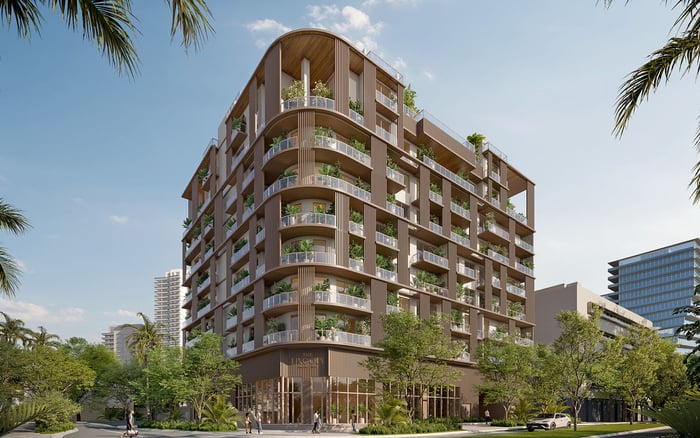
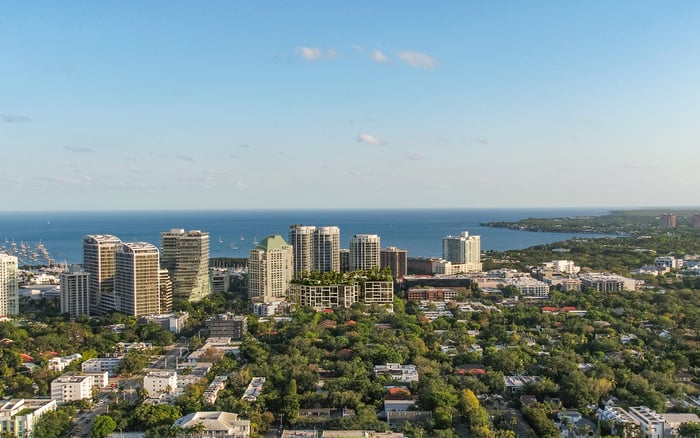
For Coconut Grove collectors, a lock-and-leave residence should be evaluated beyond its finishes. This buyer-oriented audit connects building access, art transport, climate-controlled receiving, installation permissions, and an accountable final handover.

For a collector buying in Coconut Grove, lock-and-leave convenience deserves a more exacting definition than an easy departure. The residence should also support a controlled arrival: artwork received through an approved route, moved within a confirmed elevator window, held under suitable environmental conditions, and installed with the necessary permissions while the owner is elsewhere.
The audit is not simply whether a building can accept a delivery. It is whether every handoff has a named person, written instructions, and a workable fallback. A beautiful room is the destination; the purchasing decision should examine everything between the truck and the wall.
When considering Four Seasons Residences Coconut Grove, request the current delivery and contractor procedures applicable to the residence. A project name alone does not establish freight access, installation permissions, or responsibility for receiving art.
Begin by asking management how the proposed arrival will be classified: an individual delivery, a move, or contractor work. Do not assume these categories share a timetable or approval process. Describe the artwork, its packed dimensions, the handling team, and the intended installation scope before requesting a reservation.
One property-specific example illustrates the level of detail involved: advance elevator scheduling and at least three days' notice for move-ins or move-outs, with moves permitted Monday through Friday, excluding holidays, between 9:00 a.m. and 4:30 p.m. The prescribed route runs through the courtyard off Florida Avenue to the service elevator; moving or hauling through the large tiled entrance stairway is prohibited.
These are not Coconut Grove-wide rules and should not automatically be applied to every art delivery. Confirm current requirements directly with management. The lesson is that access arrangements can be highly specific, even before the work reaches the residence.
Request a route review from the unloading point to final placement. The audit should address vehicle access, unloading arrangements, door openings, corridor turns, elevator dimensions and capacity, and the entrance to the residence. Ask the logistics team to evaluate the packed object, not just the artwork's uncrated measurements.
For a purchase at Park Grove Coconut Grove, make that route review part of residence-specific due diligence. Obtain written confirmation of the permitted path and establish who resolves a conflict if delivery timing changes. This is a question to investigate, not an assertion about the property's procedures.
Confirm the freight-window duration, not merely the appointment's starting time. Ask whether unloading, unpacking, installation, and packaging removal must fit within one reservation or require separate arrangements. Before dispatch, establish a holding plan in case access becomes unavailable. An approved appointment is one component of the delivery plan, not a substitute for it.
Elevator reservations and delivery-company certificates of insurance, or COIs, are commonly requested locally, but exact requirements should come from the individual building. Request the required wording and submission process before committing to a delivery date. Ask management to confirm acceptance; an emailed document is not itself approval.
Keep building-access paperwork distinct from the artwork's insurance arrangements. Ask the owner's insurer and logistics provider to explain the applicable coverage, exclusions, and responsibility at each stage. Identify who has custody during collection, transit, temporary receiving, unloading, and installation.
A practical delivery file should contain the reservation confirmation, authorized personnel, accepted paperwork, item inventory, condition photographs, and escalation contacts. These are recommended audit materials, not universal building requirements. Their purpose is to make an absent owner's instructions usable by everyone involved.
Fine-art logistics offerings in Miami include climate-controlled transport, custom crating, humidity-regulated storage, and final placement. Other advertised features include GPS tracking, air-ride vehicles, monitored storage, and facilities described as conservation-grade. Treat these as service claims to examine, not independent guarantees of conservation performance.
Request written temperature and humidity specifications appropriate to the artwork, insurer, and storage provider. This audit does not establish a universal residential-art target. Ask how conditions are monitored, how exceptions are communicated, and what happens during a delayed installation or equipment interruption.
Climate-controlled receiving can provide an intermediate option when a residence is not ready. Available offerings include storage before installation, building-management coordination, and later redelivery; photography and item inventories may also be offered. Confirm the scope in writing, including custody and release authorization.
At Mr. C Tigertail Coconut Grove, the same buyer question applies: how will the specific residence be prepared before artwork arrives? Verify that the vacant home's HVAC is operating under an agreed plan. Climate-controlled transport does not establish suitable conditions inside the destination.
Permission to bring a crate upstairs is not necessarily permission to drill, anchor, alter lighting, or affect common elements. Request the building's applicable installation and alteration rules before the installer finalizes a method. Clarify the requirements for ordinary hanging, substantial mounting, and electrical work individually.
Fine-art installation services available locally include mounting, leveling, lighting coordination, final placement, and de-installation. Match the contracted scope to the actual work, and ask the installer to identify anything requiring further review. Do not assume a general white-glove delivery booking includes every installation task.
For buyers assessing Opus Coconut Grove, request the rules relevant to the intended collection and wall locations rather than relying on a general assurance that installation is possible. Neither a delivery reservation nor advertised installation capabilities establishes building approval.
Before the owner leaves, name a representative authorized to receive the work, review its condition, approve placement within agreed instructions, and manage exceptions. Specify which decisions require direct owner approval. A written plan should prevent the receiving team from improvising when a crate, mounting method, or wall location differs from expectations.
Close the assignment with a documented handover: condition and placement photographs, confirmation of completed work, packaging disposition, access return, HVAC status, and a final security check. Treat these as recommended controls, not presumed services. Record any unresolved item, who is responsible, and when it will be addressed.
For a luxury buyer, the strongest lock-and-leave proposition is a residence whose procedures support the collection as carefully as its interiors display it. Compare the operating arrangements alongside the architecture, then confirm the details before scheduling arrival.
Explore Coconut Grove residences with MILLION and make collection-ready planning part of your property search.
If branded residences are on your mind — as a home or as an allocation — we would be glad to share what we are seeing, privately.
Begin a quiet conversationReview building access, freight reservations, insurance paperwork, custody, climate conditions, installation permissions, and final handover. Assign responsibility for each step before the owner departs.
No neighborhood-wide rule is established here. Confirm the current procedures with the individual building and ask how it classifies the proposed delivery.
The published policy requires at least three days' notice and advance elevator scheduling for move-ins or move-outs. Confirm the current policy and whether it applies to the intended art delivery.
The policy permits move-ins and move-outs Monday through Friday, excluding holidays, from 9:00 a.m. to 4:30 p.m. These hours are property-specific and should be reconfirmed.
The published policy directs moves through the courtyard off Florida Avenue to the service elevator and prohibits moving or hauling through the large tiled entrance stairway. Confirm current routing with management.
COIs and elevator reservations are commonly requested locally. Obtain the building's exact requirements and written acceptance before dispatch.
Transport is only one stage. Specify suitable conditions for any storage and for the residence itself, including its HVAC readiness before arrival.
No universal target is established here. Obtain written specifications appropriate to the artwork, insurer, and storage provider.
Do not assume it does. Confirm the applicable rules for drilling, anchors, lighting changes, and any work affecting common elements before installation.
Recommended records include condition and placement photographs, completed work, packaging disposition, access return, HVAC status, and a final security check. Identify responsibility for any unresolved issue.