A discreet planning guide for Coral Gables households coordinating school visits, residential guests, and peak-hour arrivals, with practical questions for buyers evaluating access policies and privacy.
For a Coral Gables household navigating private-school admissions, privacy planning begins before anyone reaches the front door. A campus visit, a visiting relative, and a household service appointment may each require separate arrangements on the same day. The objective is not elaborate security theater, but clarity: who is expected, when they may arrive, and who can authorize a change.
Admissions calendars offer a useful planning framework, but they should not be treated as evidence that residential guest volumes rise during application season. Treat event-week coordination as household preparation, with permissions governed by the property's actual rules-not assumptions about luxury service or a citywide preclearance standard.
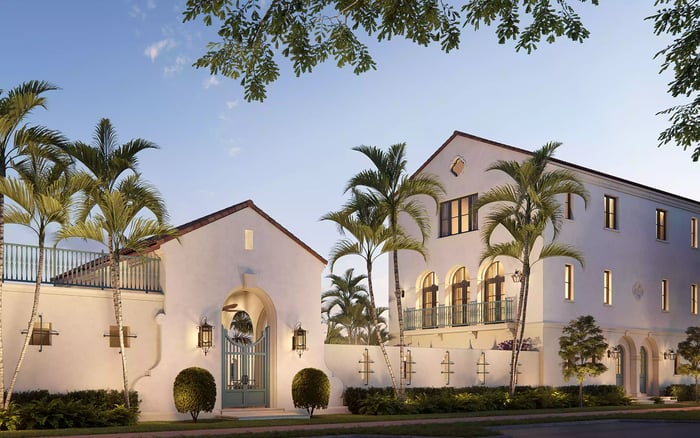
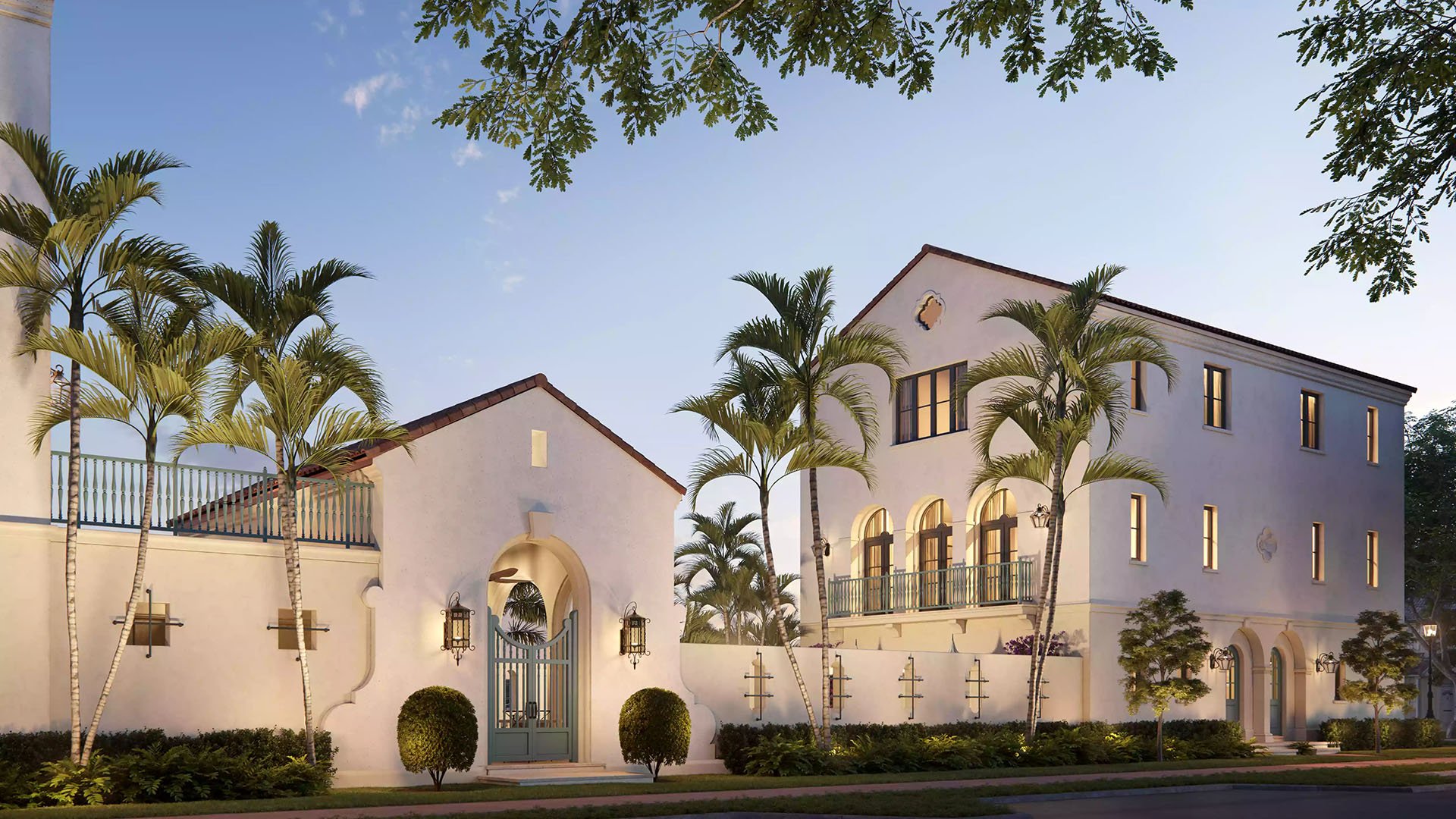
For buyers considering Ponce Park Coral Gables, the diligence question is practical: what would the current or proposed arrival procedure require when the resident is away at a school appointment? Request the applicable policy rather than infer access arrangements from a project's presentation.
Build a household calendar from the current application deadlines, campus visits, and attendance instructions supplied by each school under consideration. Record the event date separately from the enrollment year so that a visit and an application deadline are not confused.
Before arranging residential visitors around an appointment, confirm the school's current date and attendance requirements. For visits elsewhere in Miami-Dade, check the campus location rather than treating every school as a Coral Gables destination. Keep the school calendar separate from the residential visitor list: campus registration should not be treated as permission to enter a home or building.
When planning around morning or afternoon school appointments, allow a travel buffer and consider alternate routes if needed. Treat this as schedule planning, not as a claim about measured admissions-event congestion.
For a household hosting guests before or after a campus visit, set an arrival window rather than an unnecessarily precise time. Designate a contact who can receive an updated arrival estimate without circulating the family's full itinerary. A delayed guest should prompt a communication update-not an automatic relaxation of identity or parking requirements.
When evaluating Cora Merrick Park, ask how visitor arrivals would be coordinated under the property's applicable procedures. Does the property accept advance notice? Who handles last-minute changes? What happens if the resident cannot answer? These are diligence questions, not assertions about the project's services.
An access brief can be a short household instruction sheet, adapted to the process management permits. It should help the authorized person make a decision without revealing more about the family than necessary. A suggested brief includes:
Expected visitor names and the resident responsible for each invitation.
Arrival windows and an expiration point for each permission.
Vehicle details only where needed for the property's parking process.
Approved parking instructions and any required pass arrangements.
The appropriate entrance or gate contact, if applicable.
A resident contact and a clear escalation rule for unlisted arrivals.
Ask management how to submit the information and who can amend it. If a driver or vehicle changes, use the same approved communication channel; do not assume an earlier authorization covers the substitution. Confirm whether advance approval satisfies entry requirements or resident accompaniment remains necessary.
These are suggested planning practices, not citywide requirements. The brief should implement property rules, never replace them. Refer an unlisted arrival to the designated authorizer, with staff following the property's procedure while confirmation is pending.
A visiting relative, a driver, and a service provider may need different permissions. Avoid broad authorization that treats everyone associated with an invited guest as approved. Specify whom the permission covers, how long it lasts, and any access limits recognized by management.
Guest parking warrants a separate check. Ask whether temporary passes, designated spaces, or resident accompaniment are required, and what consequences apply to unauthorized parking. Verify the current requirements before sending instructions. An older handbook should prompt confirmation, not serve as a guarantee of today's policy.
For buyers exploring The Village at Coral Gables, ask which rules govern guests, parking, and resident responsibility. Establish who can approve entry and whether a resident must remain present. A clear answer is more useful than a general assurance that visitors will be accommodated.
As a privacy practice, share visitor details only with those who need them to coordinate arrivals. A household list need not include a child's application status, interview notes, school preferences, or the reason a family member is visiting. Keep educational information outside routine access instructions.
Set defined end points for permissions rather than granting indefinite approvals. After the relevant visit, review temporary authorizations and ask management how visitor information is retained. Any deletion or retention arrangement should follow applicable property procedures and requirements; this is planning guidance, not a legal standard.
Distinguish admission from freedom of movement. Do not assume permission to enter includes access to amenities or unaccompanied movement through shared spaces. Confirm those boundaries before guests arrive so staff are not left to resolve conflicting expectations at the entrance.
The same questions belong in a broader residential search. A buyer also considering The Lincoln Coconut Grove can compare its applicable or proposed guest procedures with those of Coral Gables options without assuming equivalent operations. Ask how permissions are recorded, who authorizes exceptions, and how parking instructions reach a visitor.
The goal is a home where discretion and hospitality coexist within clear rules. During a demanding school calendar, that means fewer improvised decisions and less unnecessary disclosure. A well-prepared household accommodates reasonable schedule changes while preserving the distinction between a welcome guest and an authorized arrival.
Explore South Florida residences with a more considered approach to daily living at MILLION.
If branded residences are on your mind — as a home or as an allocation — we would be glad to share what we are seeing, privately.
Begin a quiet conversationDo not assume a citywide standard when planning arrivals. Confirm the applicable guest-entry procedures with each property's management.
Use the current deadlines, campus visit dates, and attendance instructions supplied by each school. Keep that calendar separate from residential access instructions.
Keeping them separate helps avoid confusing an appointment date with the school year being applied for. Confirm both before coordinating visitors.
Confirm the current date, attendance requirements, and campus location. Do not treat campus registration as authorization for residential entry.
Use an arrival window and allow a travel buffer. Designate a contact who can receive schedule updates without sharing the family's full itinerary.
A delay should prompt an updated arrival estimate, not an automatic waiver of entry or parking requirements. Follow the property's applicable procedures.
Suggested details include expected visitors, arrival windows, necessary vehicle information, parking instructions, and authorization contacts. Adapt the brief to the property's actual procedures.
Do not assume it does. Ask management whether advance approval is sufficient or whether resident accompaniment is still required.
As a privacy practice, keep application status and interview details separate from routine entry instructions. Share only information needed to coordinate the arrival.
Refer the arrival to the designated authorizer and follow the property's procedure while confirmation is pending. Avoid treating an invitation as a substitute for required authorization.