A buyer-oriented guide to distinguishing advertised building services from documented in-residence care at Arbor Coconut Grove and The Lincoln Coconut Grove, with practical questions for contract review, emergency entry, household vendors, and long-term ownership.
For a residence occupied intermittently, the most consequential luxury may be what happens while its owner is elsewhere. A staffed arrival, discreet valet, and polished common areas make an appealing first impression. They do not, by themselves, establish who checks an empty apartment, admits a household contractor, or responds when a leak requires immediate access.
At Arbor Coconut Grove and The Lincoln Coconut Grove, the ownership question is precise: which services support the building, and which extend through the residence’s front door? Treat that distinction as part of the purchase decision, not a detail to settle after furnishing.
The available service descriptions establish neither a turnkey interior lock-and-leave program nor binding service-level guarantees at either property. That does not mean such arrangements are unavailable. It means buyers should secure written terms before relying on them.
Arbor is a 45-residence condominium at 3034 Oak Avenue, Miami, FL 33133, described as move-in ready. Its listed conveniences include 24-hour concierge service and valet parking, alongside a courtyard pool, fitness center, co-working space, and rooftop social terrace. Buyers should confirm the current service offering against the governing documents and operating arrangements.
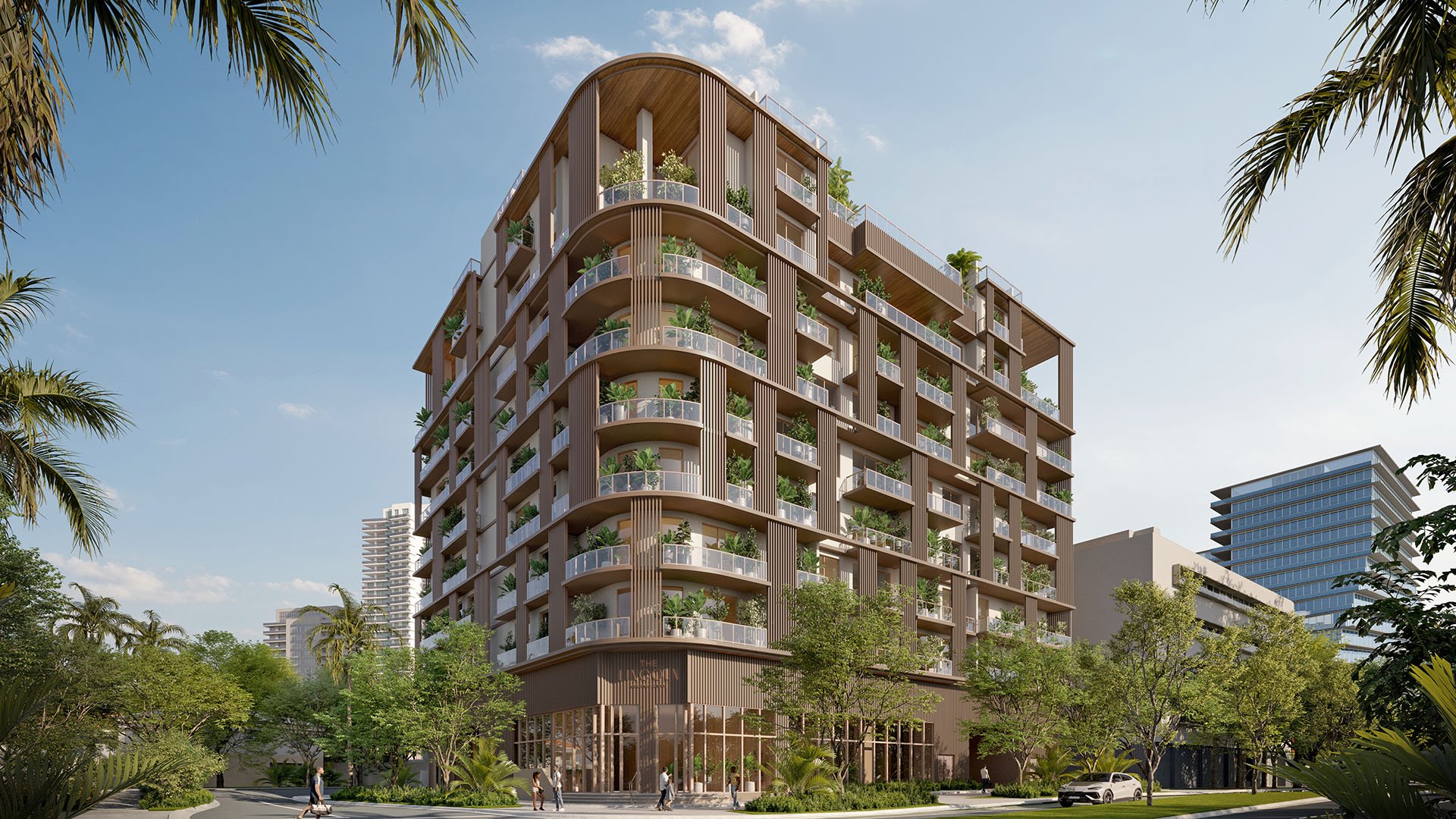
The Lincoln is planned as 48 residences across eight floors at 2650 Lincoln Avenue, Miami, FL 33133, and is described as under construction. Advertised provisions include 24/7 front-desk service, night security, monitoring and surveillance systems, and on-site management and maintenance. These provisions are not evidence of an established operating track record.
For Arbor, request current procedures and confirmation of actual responsibilities. For The Lincoln, request proposed procedures, identify what remains to be finalized, and ask how the applicable arrangements will be confirmed before occupancy. Neither residence count nor staffing language defines the scope of in-unit care.
Before contract or closing, request the declaration, bylaws, rules, delivery procedures, vendor insurance requirements, association minutes, budget, reserve disclosures, and emergency plan. Have your advisers distinguish governing obligations from discretionary assistance and separately contracted services.
A written responsibility schedule should identify each task, who performs it, who authorizes it, its cost, and the record the owner receives. Separate building maintenance from interior inspections, contractor supervision, and household errands. Where a service is not included, determine whether an independent home-watch or household-management provider can operate under the building’s rules.
This approach also sharpens comparisons. If your search includes Four Seasons Residences Coconut Grove, apply the same questions rather than assuming a different name establishes broader in-residence responsibilities. Compare documented scope, not the impression created by service terminology.
For either property, ask whether a vacant-residence inspection service exists and what it checks. Arbor’s available descriptions do not establish a program covering leaks, HVAC operation, plant care, storm preparation, or owner notifications. The Lincoln’s advertised on-site management and maintenance do not establish the scope, fees, or response times for in-unit oversight.
Request written answers on inspection frequency, leak alerts, HVAC checks, emergency shutoff access, and storm preparation. Clarify whether inspections are visual only, whether findings are documented with photographs, and who may authorize corrective work while you are unreachable. These are diligence questions, not confirmed services.
Then define the handoff. Before departure, provide current emergency contacts, an approved vendor roster, and any instructions accepted by management. Ask how owners receive routine updates and urgent notifications. A household representative should understand exactly where building staff responsibilities end and separately arranged care begins.
Security at the entrance and authority to enter an apartment are different matters. Arbor’s available descriptions do not establish who authorizes emergency entry, how contact attempts are recorded, or whether access uses a management key or locksmith. The Lincoln’s advertised security provisions likewise should not be treated as a complete emergency-entry protocol.
Ask what events trigger entry, who makes the decision, and how emergency contacts are escalated if the owner cannot be reached. Request the procedure for logging entry, identifying everyone admitted, documenting actions, and notifying the owner afterward. Have counsel review how that procedure aligns with the governing documents.
The Lincoln lists a generator for emergency backup power, but the advertised description does not specify which in-unit systems it serves. Ask which systems are supported, how testing is arranged, and how residents are notified. Do not equate backup power with uninterrupted apartment cooling or household operations without written confirmation.
A housekeeper, designer, technician, and renovation contractor may require different access arrangements. The Lincoln’s available service descriptions do not establish standing vendor authorizations, access hours, service-elevator procedures, insurance requirements, or after-hours work rules. Arbor’s listed concierge service does not establish key holding, contractor supervision, completed-work verification, or photo updates.
Request rules for identification, insurance, escorts, permitted areas, access windows, and key or fob control. Establish how a standing authorization is created, changed, and revoked. Ask whether permission to enter also permits unescorted movement, material deliveries, or access to parking and storage.
Admission is not supervision. If you expect someone to remain with a contractor, document progress, or verify completion, assign that responsibility explicitly. Privacy language concerning access to personal information is not evidence of physical vendor credentialing or building access logs.
The Lincoln advertises a dedicated secured parcel room and valet parking. Neither provision establishes package forwarding, refrigerated-delivery handling, in-unit delivery, or vehicle release to household staff. Confirm these permissions individually, including what happens during an extended absence.
The distinction extends to everyday conveniences. The Lincoln advertises EV-ready parking and enclosed bicycle storage; Arbor’s listed conveniences include EV charging and secure bicycle storage. Those features do not establish staff responsibility for maintaining an owner’s vehicle or equipment. Keep any requested assistance separate from the amenity itself.
At handover, consolidate accepted authorizations, emergency contacts, inspection arrangements, and vendor permissions into one ownership file. Ask management how changes will be communicated, and review the file whenever household staff, vendors, or your travel pattern changes.
The goal is not to demand that building staff perform every household function. It is to know who is responsible, what authority they have, and what confirmation you will receive. That clarity makes an elegant residence easier to own over time.
For a discreet perspective on Coconut Grove ownership and residential comparisons, explore MILLION.
If branded residences are on your mind — as a home or as an allocation — we would be glad to share what we are seeing, privately.
Begin a quiet conversationArbor is described as move-in ready and comprises 45 residences at 3034 Oak Avenue. Buyers should confirm current services and operating procedures before closing.
The Lincoln is described as under construction, with 48 residences planned across eight floors. Its advertised services should not be treated as an established operating track record.
The available descriptions do not establish a turnkey interior lock-and-leave program at either property. Obtain written confirmation of any absence-management service and its scope.
Ask about inspection frequency, leak alerts, HVAC checks, storm preparation, emergency shutoff access, and owner notifications. Clarify responsibilities, charges, and authorization for corrective work.
Arbor’s reported concierge service does not establish contractor supervision, key holding, completed-work verification, or photo updates. Confirm or separately arrange each responsibility.
Request entry triggers, decision-making authority, emergency-contact escalation, and key or locksmith procedures. Ask how entries and subsequent owner notifications are documented.
The Lincoln advertises emergency backup power, but the description does not specify which in-unit systems it serves. Request supported-system details and testing and notification procedures.
Confirm identification, insurance, escorts, permitted areas, access windows, and key or fob control. Ask how standing permissions are granted and revoked.
The secured parcel room does not establish forwarding, refrigerated-delivery handling, or in-unit delivery. Confirm these services individually before relying on them.
The advertised valet provision does not establish vehicle-release permissions for household staff or other authorized individuals. Request the applicable authorization procedure in writing.