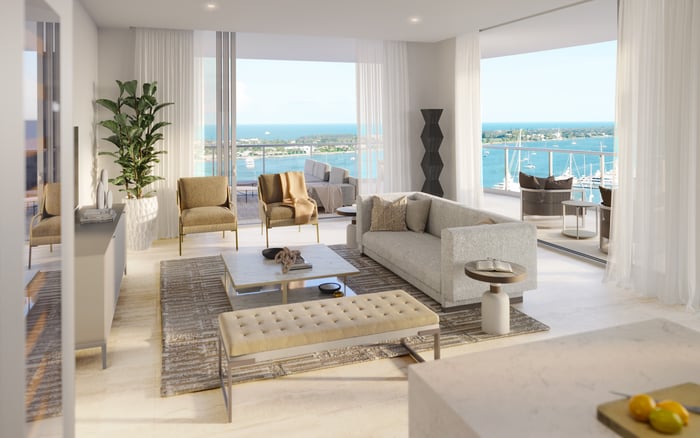
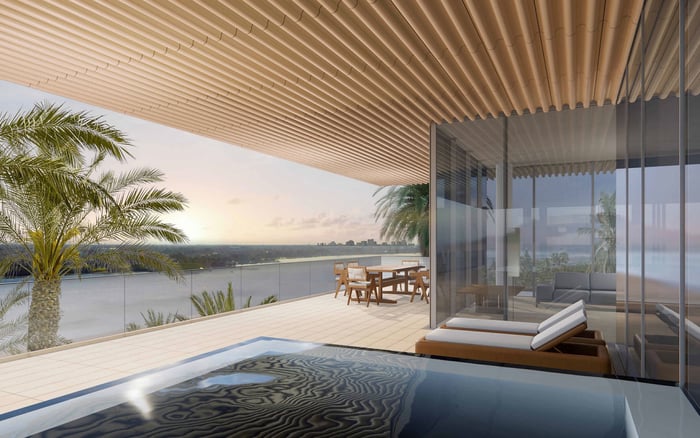
A practical Palm Beach guide to evaluating private dining, residential catering access, event restrictions, and peak-season reservation strategies before purchasing a luxury residence.

For many Palm Beach buyers, a residence is both a private retreat and a setting for family dinners, seasonal gatherings, and visiting guests. Entertaining requirements therefore deserve consideration alongside privacy, floor plans, outdoor space, and location.
The central question is how a buyer’s preferred hospitality style fits the residence and the procedures that govern it. A dinner prepared in the home, a catered reception, a restaurant private room, and an outdoor gathering each involve different operational considerations. Clarifying the intended format early can prevent a visually appealing space from being mistaken for a practical event setting.
The most elegant Palm Beach gathering is often the one whose logistics remain invisible.
Before approaching a restaurant, hotel, caterer, or residential building, define the event in practical terms. Consider the guest profile, preferred date, acceptable alternatives, privacy expectations, service style, accessibility needs, and whether the gathering requires entertainment or special equipment.
The right hospitality format follows from those decisions. A private dining room may suit a focused dinner, while exclusive use may be more appropriate when privacy and control matter most. Residential catering can offer a personal atmosphere, but it also places greater importance on vendor access, setup space, service circulation, cleanup, and coordination with property management.
Buyers should request current terms directly from the relevant venue or provider. Deposits, cancellation provisions, menu deadlines, minimum commitments, setup windows, and operating procedures can vary. A room’s stated purpose or apparent scale should not be treated as a guarantee that it will suit a particular event or date.
Palm Beach demand can make date flexibility especially valuable. Buyers planning an important gathering should avoid relying on a single venue or format until availability and terms have been confirmed. Written confirmation should cover the date, event space, permitted hours, financial commitments, service inclusions, and any conditions that could affect the plan.
A portfolio approach can reduce pressure. One option may be an intimate restaurant dinner, another a private room, and a third a catered gathering at the residence. These alternatives need not feel interchangeable; each can be designed to preserve the occasion’s tone while giving the host a practical fallback.
The event date and the preferred setting should also be prioritized separately. If the date is fixed, flexibility in venue or scale may be necessary. If the setting is essential, alternate dates may provide a more realistic path. This distinction is particularly useful for second-home owners coordinating travel, family schedules, and local vendors.
A buyer comparing Palm Beach Residences with a private home should evaluate more than dining and entertaining areas. The due-diligence review should address how vendors enter, where deliveries wait, which routes service teams use, and how setup and removal affect residents and common areas.
The same operational review is relevant in West Palm Beach. Prospective owners considering Mr. C Residences West Palm Beach, Forté on Flagler West Palm Beach, or Mandarin Oriental Residences, West Palm Beach should request current governing documents and written event procedures before treating a residence, terrace, or amenity space as an event venue.
Useful questions include whether outside caterers are permitted, what vendor documentation is required, how elevators or loading areas are scheduled, and when rentals may arrive or depart. Buyers should also ask about guest registration, parking, security, music, cleanup, and the use of shared spaces. Answers should come from the party authorized to interpret and enforce the current rules.
A generous floor plan does not resolve operational constraints. Service circulation, kitchen capacity, storage, waste removal, weather protection, and separation between guests and vendors can be just as important as the principal entertaining room. Buyers who host frequently may wish to walk through the complete event flow during property evaluation.
Not every gathering is treated the same way. The location, property type, guest activity, temporary equipment, food service, sound, and use of outdoor or shared areas can affect what reviews or permissions may be needed. Buyers should not assume that a private invitation automatically resolves building, municipal, safety, or vendor requirements.
For a concept involving public property, substantial temporary infrastructure, or unusual site use, the host should identify the relevant authority and obtain current instructions before making nonrefundable commitments. Application categories, documentation, review periods, and insurance expectations should be confirmed for the specific location and event concept.
The same caution applies at a residence. Association approval, property-management coordination, and governmental review are separate questions. Approval from one party should not be interpreted as approval from another. A written responsibility checklist can help the owner, planner, caterer, and property team understand who is handling each requirement.
If entertaining is central to the intended lifestyle, event procedures should be reviewed before contract deadlines make the issue an afterthought. Request the latest governing documents, relevant policies, and any written guidance addressing guests, vendors, common areas, deliveries, noise, parking, security, and insurance.
The review should distinguish between hosting inside the residence and using a terrace, pool area, club room, or other shared amenity. A buyer should also determine who approves requests, whether approvals must be renewed for each occasion, and how rule changes are communicated. Verbal assurances are less useful than current written materials from the responsible party.
Private homes require a different review but not necessarily a simpler one. Buyers should consider access for service vehicles, parking arrangements, outdoor sound, weather contingencies, neighbor impact, and the practical movement of staff and equipment. The objective is not to turn the residence into a commercial venue; it is to understand whether the property supports the owner’s anticipated style of hospitality.
A resilient Palm Beach entertaining plan combines a residence suited to everyday hosting with trusted hospitality alternatives. The home may be ideal for smaller gatherings, while a private dining room or hotel setting can absorb occasions that require more service infrastructure or privacy management.
Before each event, reconfirm the details that matter most: the date, space, access route, vendor requirements, permitted schedule, payment terms, cancellation provisions, and contingency plan. Conditions can change, so prior experience should not replace current confirmation.
The best purchase decision is one that aligns architectural appeal with operating reality. When buyers understand how the residence functions during setup, service, and departure-not merely during the event itself-they can choose a home that supports Palm Beach hospitality with greater ease and discretion.
For discreet guidance on Palm Beach residences that complement your entertaining priorities, connect with MILLION.
If branded residences are on your mind — as a home or as an allocation — we would be glad to share what we are seeing, privately.
Begin a quiet conversationThe review helps determine whether the property’s layout, access, and governing procedures support the buyer’s preferred hosting style.
Define the guest profile, preferred date, alternate dates, privacy needs, service style, and any accessibility or equipment requirements.
Buyers should seek direct written confirmation and maintain practical alternatives when the date or setting has limited flexibility.
It should identify the date, space, permitted hours, financial terms, service inclusions, and conditions that could affect the event.
Review delivery routes, loading procedures, elevator scheduling, vendor entry, setup timing, cleanup, and required documentation.
No. Service circulation, storage, waste removal, weather protection, and governing rules can also affect suitability.
Yes. Terraces, club rooms, pools, and other common areas may have separate approval and operating procedures.
The location, temporary equipment, food service, sound, outdoor use, or use of shared or public property may trigger additional review.
Current written materials from the responsible party provide a more reliable basis for due diligence than informal assurances.
A suitable residence, confirmed venue alternatives, clear vendor coordination, and a workable contingency plan create greater flexibility.