A buyer-focused comparison of two branded South Florida residences through the practical lens of private dining, catering access, event scale, and the restrictions that remain undisclosed.
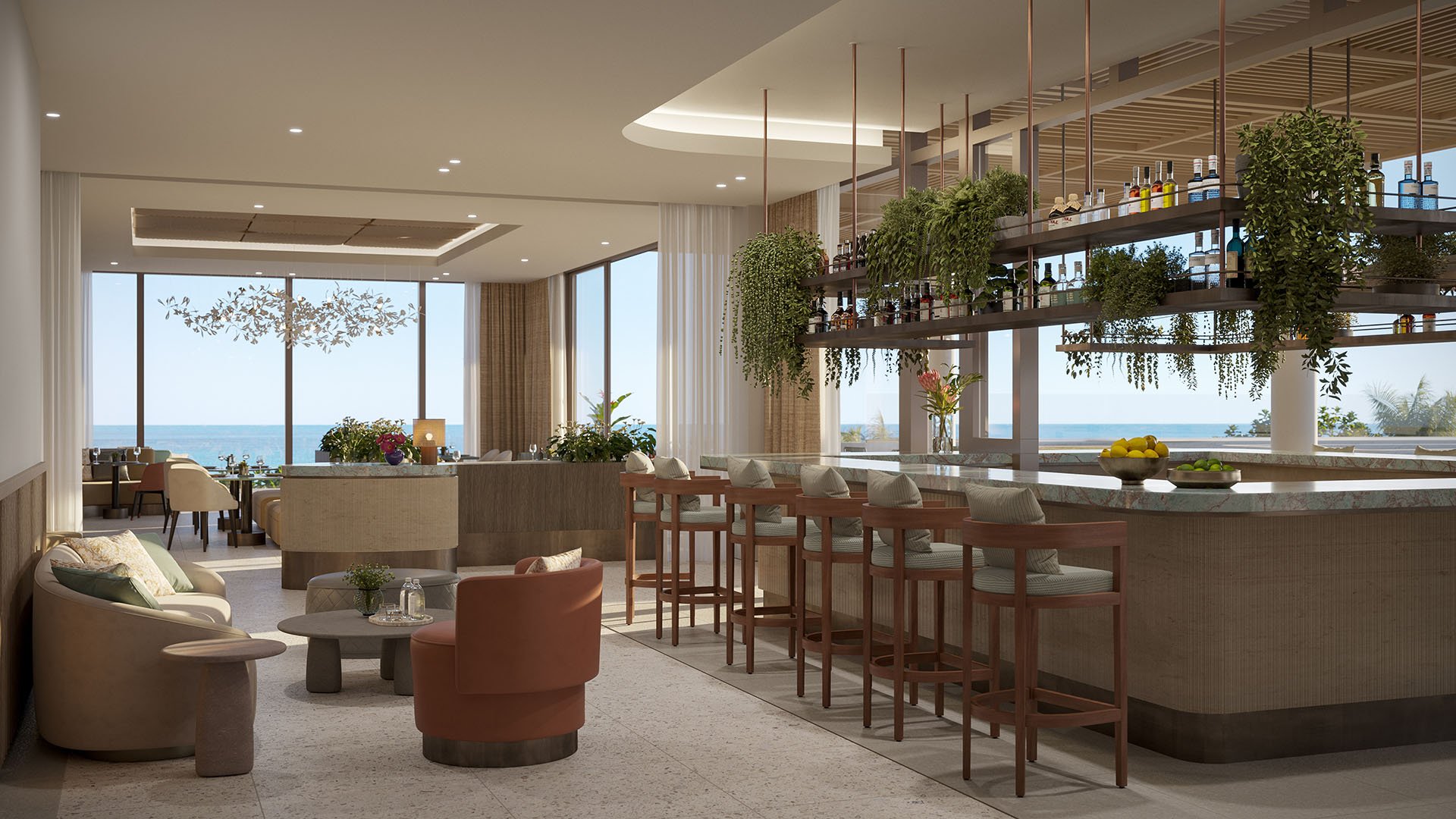
Private dining has become a defining feature of South Florida’s Branded Residences landscape, yet the phrase can describe distinctly different experiences. One building may offer a restaurant-supported dinner at home. Another may provide a stage, terrace, wine cellar, and dedicated venue capable of accommodating a more ambitious occasion. For buyers who entertain regularly, the meaningful distinction is not whether a private dining room appears on an amenity plan, but how the entire hospitality system operates.
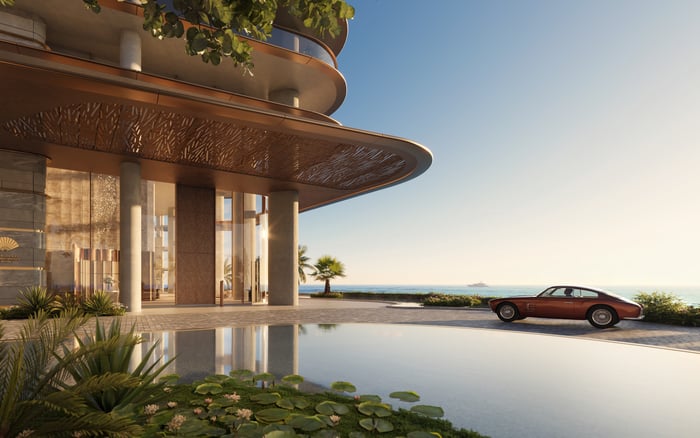
That makes 888 Brickell by Dolce & Gabbana and Rosewood Residences Hillsboro Beach an instructive pairing. The former is planned as a Brickell condo-hotel with 250 hotel rooms and suites, six food-and-beverage outlets, and infrastructure for larger events. The latter frames entertaining as a more intimate oceanfront service experience, with in-residence dining and catering expressly available from its on-site restaurant.
The true luxury is not merely having a dining room, but knowing precisely how it can be used.
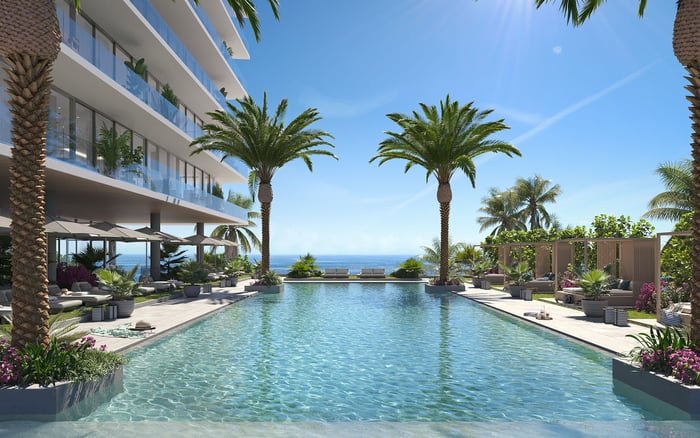
The hospitality program at 888 Brickell is broad by residential standards. Its six planned food-and-beverage outlets include a ground-floor signature restaurant, two Grand Lobby bars, and a Pool Club restaurant and bar designed for day-to-night deckside dining. A Dolce & Gabbana Bar Lounge adds another branded social setting, while the Pool Club is planned around a 3,800-square-foot pool, two poolside bars, and private cabanas.
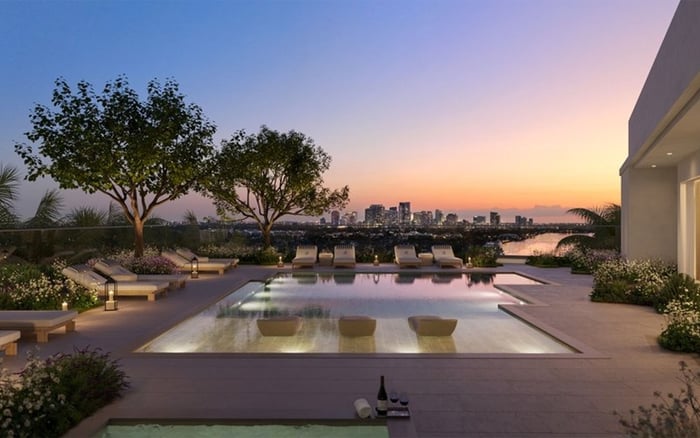
For resident-hosted occasions, the most relevant amenities are a chef’s kitchen, private dining area, and roughly 5,000-square-foot event space with a stage. A private terrace, event and theater space, wine cellar, and billiards room further broaden the possible progression of an evening. Together, these features make the project the more event-forward choice in this comparison, particularly for buyers envisioning medium-to-large receptions or a performance component.
Yet scale does not mean unrestricted access. The project does not specify maximum guest counts, resident booking priority, noise cutoffs, minimum food-and-beverage spending, or whether outside caterers can work in these spaces. The condo-hotel format raises another essential question: whether key venues are resident-exclusive or shared with hotel guests, and how competing demand will be managed.
Buyers surveying Brickell’s wider residential landscape may also consider ORA by Casa Tua Brickell, but each project’s entertaining program should be evaluated through its own governing documents and operating policies rather than amenity names alone.
Rosewood Residences Hillsboro Beach presents a quieter proposition. Its private dining room includes indoor and outdoor gathering areas intended for dinner parties and small events. The Sunrise Lounge and private dining room are positioned as oceanfront settings for entertaining, complemented by a private beach club, oceanfront pool and spa, resident lounges, and other private dining venues.
The central advantage is clarity around catering access. Rosewood expressly offers in-residence dining and catering from its on-site restaurant. That commitment gives buyers a more direct sense of how a hosted dinner might be serviced, whether in a residence or an amenity setting. Home-management services-including cleaning, maintenance, floral arrangements, and pantry stocking-can also support the preparation and aftermath of entertaining at home.
This is not the same proposition as a staged 5,000-square-foot venue. Rosewood centers on dinner parties and small events, suggesting a setting shaped by discretion, oceanfront atmosphere, and service rather than reception-scale production. For buyers focused on Broward and its coastal enclaves, Four Seasons Hotel & Private Residences Fort Lauderdale may also sit within the broader search, though operating rules must still be investigated property by property.
Rosewood describes its in-residence dining and restaurant catering more explicitly than 888 Brickell describes its catering arrangements. Even so, neither development confirms whether owners may bring in an outside chef or catering company, or whether in-house food-and-beverage service is mandatory.
That distinction can materially alter the character and cost of an event. A buyer may wish to engage a longstanding private chef, specialist pastry team, or preferred event producer. Building management may require approved vendors, certificates of insurance, service-elevator reservations, security staffing, alcohol controls, or kitchen-use supervision. None of these terms should be inferred from the presence of a chef’s kitchen or private dining room.
The same caution applies to pricing. A reservable room may carry a rental fee, minimum spend, service charge, cancellation schedule, cleanup cost, or refundable deposit. Access may also differ between an intimate weekday dinner and a larger weekend reception. These are operating provisions, not cosmetic details, and they should be factored into the ownership experience.
Neither property discloses the complete framework a serious host needs. Before relying on the amenity narrative, request the current condominium documents, private-event rules, catering menus, service charges, cancellation terms, and insurance requirements. Seek written confirmation of guest caps, amplified-music policies, vendor loading procedures, alcohol-service rules, booking windows, cleanup fees, and resident priority.
At 888 Brickell, buyers should focus on how the hotel and residential programs intersect. Questions should address access to restaurants and bars, priority for the staged venue, blackout dates, simultaneous hotel functions, and whether private dining inventory is protected for residents. A sophisticated hospitality program can offer depth, but its value depends on reliable access.
At Rosewood, the inquiry should center on the scope of restaurant catering and in-residence service. Buyers should confirm menu flexibility, staffing, tableware, beverage service, floral coordination, pantry stocking, and cleanup. They should also determine whether the indoor and outdoor private dining areas have separate capacities or time restrictions.
The stronger option depends on the buyer’s social rhythm. 888 Brickell is better suited to hosts who value multiple dining environments, a theatrical venue, and the possibility of larger programmed occasions. Rosewood is better suited to owners who prefer composed oceanfront dinners, smaller gatherings, and a clearly articulated path to restaurant-supported service at home.
In both cases, the governing rules matter more than the rendering. A beautiful room that cannot accommodate a preferred guest count, chef, music format, or booking date may offer limited practical value. Conversely, a more intimate venue with dependable catering and home-management support may serve frequent entertainers exceptionally well.
For discreet guidance on comparing South Florida residences through service, access, and ownership rules, connect with MILLION.
If branded residences are on your mind — as a home or as an allocation — we would be glad to share what we are seeing, privately.
Begin a quiet conversation888 Brickell appears better suited to larger occasions because it plans a roughly 5,000-square-foot event space with a stage, along with several supporting entertainment venues.
Its resident amenity program includes a chef’s kitchen and private dining area intended for gatherings.
Six outlets are planned, including a signature restaurant, two Grand Lobby bars, and Pool Club dining and bar venues.
Yes. Rosewood expressly advertises in-residence dining and catering from its on-site restaurant.
Rosewood’s private dining program is positioned around dinner parties and small events in indoor, outdoor, and oceanfront settings.
Public-facing materials do not establish whether outside caterers are permitted at either development. Buyers should obtain written confirmation from management.
No maximum guest counts are stated in the reviewed public materials for either property.
Public materials do not disclose noise cutoffs or complete event-hour policies. These terms should be verified in current rules and governing documents.
The public amenity descriptions do not fully resolve resident exclusivity or booking priority. Buyers should clarify how hotel and residential demand will be managed.
Request condominium documents, event rules, catering menus, service charges, cancellation terms, insurance requirements, guest caps, vendor procedures, and cleanup fees.