Private entertaining at two waterfront branded residences calls for more than an appealing venue. Buyers should document occupancy limits, catering permissions, arrival protocols, staffing costs, and enforceable reservation rights before closing.

For buyers who entertain, a private dining room is more than an amenity. It extends the residence: a setting for family celebrations, discreet business dinners, and gatherings that call for attentive service without compromising everyday privacy. Yet an elegant room and a hospitality brand do not, by themselves, establish the right to host a particular event.
At The Residences at Mandarin Oriental, Miami and St. Regis® Residences Bahia Mar Fort Lauderdale, the essential diligence is operational. Buyers should establish how many people may attend, who may cater, how guests enter, and which charges and liabilities the owner retains. These details turn an attractive service offering into a usable part of ownership.
The key distinction is between an advertised amenity and a documented entitlement. Evaluate planned facilities and service categories alongside written policies, governing documents, and applicable hospitality-management agreements.
At 500 Brickell Key Drive on Brickell Key, The Residences at Mandarin Oriental, Miami presents several settings relevant to entertaining. Planned residential amenities include a private dining room, wine cellar, indoor/outdoor dining, and a chef’s kitchen. Described hotel event access encompasses a grand ballroom with pre-function space, private meeting rooms, and an events terrace.
Buyers should keep these two categories distinct. Ask which residential spaces an owner may reserve, which hotel facilities require a separate agreement, and whether access depends on availability, fees, or other conditions. A description of three private meeting rooms establishes a room count-not the number of guests permitted in any one room.
Private chefs and in-residence catering are also marketed. Obtain written confirmation of availability, charges, booking requirements, and contractual scope rather than assuming these services are included in ownership.
At 801 Seabreeze Boulevard in Fort Lauderdale, St. Regis® Residences Bahia Mar Fort Lauderdale markets a private dining room with a dedicated catering kitchen, alongside an all-day lounge and cocktail bar for intimate gatherings. Its service offering includes private dining arrangements, function and event planning, meeting setup, and conferencing or technology support.
Each category warrants a separate inquiry. Establish whether a dining-room reservation includes exclusive use, whether the lounge may be booked privately, and what event-planning or technical support costs. A dedicated catering kitchen does not, by itself, authorize an outside caterer to use it.
The property also markets 24/7 butler service and personalized concierge assistance. Ask how these services relate to event staffing, including whether dedicated personnel must be booked and paid for separately.
The event details do not establish definitive maximum guest capacities for either property. At Mandarin Oriental, that includes the ballroom, private dining room, terrace, and lawn; at Bahia Mar, exact capacities for the dining room, lounge, and other event venues are not disclosed.
Request approved floor plans and written legal and operational occupancy limits for each space under consideration. The capacity schedule should distinguish seated dining from standing receptions and identify indoor and outdoor configurations separately. Ask whether staff, vendors, entertainment, and service stations affect the permitted count.
For a dinner, request the approved layout for that occasion-not merely the room’s maximum allowable attendance. Tables, circulation, kitchen access, and service arrangements should align with the actual event plan.
For outdoor occasions, document weather-contingency arrangements and the capacity of any alternative indoor venue. Do not assume an outdoor guest count can transfer unchanged inside.
Catering diligence begins with permission. Request written clarification of any hotel or brand catering rights, outside-vendor approval requirements, and the distinction between cooking in a residence and using a shared kitchen. Establish who approves menus, vendors, equipment, and alcohol service.
Then request an itemized fee schedule covering minimum spends, corkage, service charges, rentals, kitchen-use fees, staffing, overtime, and cleanup. Do not presume any of these are included simply because dining or catering services are marketed.
Document vendor logistics with equal care: loading access, delivery windows, freight-elevator reservations, badges, certificates of insurance, and teardown deadlines. Confirm who receives deliveries, where equipment may wait, and who is responsible if a vendor misses an approved window.
These questions also provide a useful comparison framework for buyers considering St. Regis® Residences Brickell. Apply the same documentation standard without assuming another property shares Bahia Mar’s amenities, permissions, or operating rules.
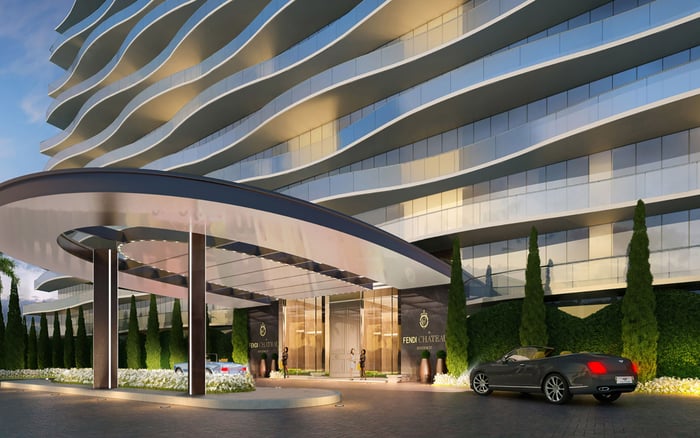
Mandarin Oriental’s described arrival amenities include gated access, dedicated 24-hour security, and a private porte-cochère with covered lobby arrival. Hotel and residential valet service, allocated self-parking spaces, and a dedicated 24/7 residential team trained by the brand are also marketed. These features do not resolve every event-arrival question.
Request a written guest-admission protocol covering preregistration, identification checks, walk-ins, escorts, valet access, and any vehicle-screening requirements. Clarify where hotel-event guests enter and whether their route intersects residential circulation.
Bahia Mar’s advertised amenities include a private residential lobby attended 24/7 and valet parking. A staffed lobby is not, by itself, a specified screening procedure. The waterfront setting, with access to both beach and bay, makes route separation particularly important to document.
Ask for arrival diagrams distinguishing residential, resort, beach, bay, and vendor traffic where applicable. Establish who may reach residential elevators, how unregistered arrivals are handled, and who has authority to admit or refuse a guest. Privacy depends on procedures as well as staffing.
Before closing, request the condominium declaration, bylaws, house rules, reservation policies, fee schedules, and relevant hospitality-management agreements. Have counsel identify which event rights and obligations are binding, which remain discretionary, and which may change.
The reservation policy should address booking windows, resident priority, blackout dates, cancellation terms, deposits, and minimum spends. It should also distinguish resident-hosted events from building-hosted functions and explain any restrictions on exclusive use.
Complete the file with staffing and liability terms. Confirm whether security, valet, butler, engineering, or housekeeping personnel are mandatory, and obtain applicable hourly charges and overtime provisions. Document damage deposits, event insurance, indemnification, and responsibility for guests and vendors.
Finally, submit one realistic event brief and request a written response covering the venue, layout, attendance, caterer, arrivals, staffing, and total charges. A specific scenario is more useful than a broad assurance that entertaining can be arranged. The goal is not the largest possible gathering, but confidence that your preferred occasion can proceed discreetly and predictably.
For a considered approach to South Florida residential ownership, explore MILLION.
If branded residences are on your mind — as a home or as an allocation — we would be glad to share what we are seeing, privately.
Begin a quiet conversationThe reviewed event details do not establish definitive maximum guest capacities for the relevant venues. Buyers should request written legal and operational limits for each configuration.
Planned residential amenities include a private dining room, wine cellar, indoor/outdoor dining, and a chef’s kitchen. Hotel event access is also described, including a ballroom, meeting rooms, and an events terrace.
No. The description of three private meeting rooms is a room count, not an occupancy limit.
Bahia Mar markets a private dining room with a dedicated catering kitchen and an all-day lounge and cocktail bar for intimate gatherings. Reservation rights and exact capacities should be confirmed in writing.
The kitchen description does not establish outside-caterer permission. Buyers should obtain written approval requirements and kitchen-access terms.
Private chefs and in-residence catering are marketed, but availability, charges, and contractual scope require written confirmation. Buyers should not assume inclusion in ownership.
No. A private lobby attended 24/7 does not specify preregistration, identification checks, escort requirements, or walk-in policies.
Gated access, dedicated 24-hour security, a private porte-cochère, hotel and residential valet service, and allocated self-parking spaces are described. Event-specific admission procedures should be documented separately.
Request an itemized schedule covering minimum spends, catering, corkage, service charges, rentals, staffing, overtime, cleanup, and deposits. Confirm which expenses apply to the proposed event.
Request the condominium declaration, bylaws, house rules, reservation policies, fee schedules, and relevant hospitality-management agreements. Counsel should distinguish binding rights from discretionary or advertised offerings.