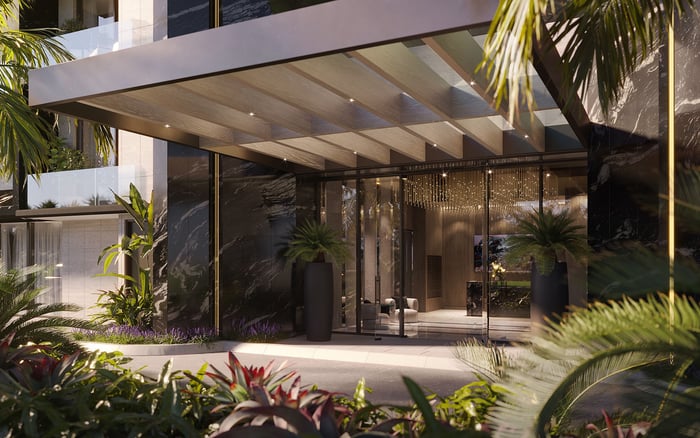
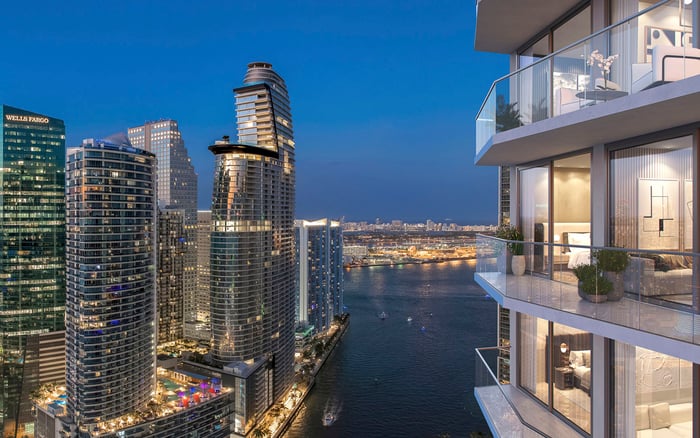
A buyer-focused look at how culture, governance, and hospitality expectations can shape family living at 888 Brickell by Dolce & Gabbana and 2200 Brickell.
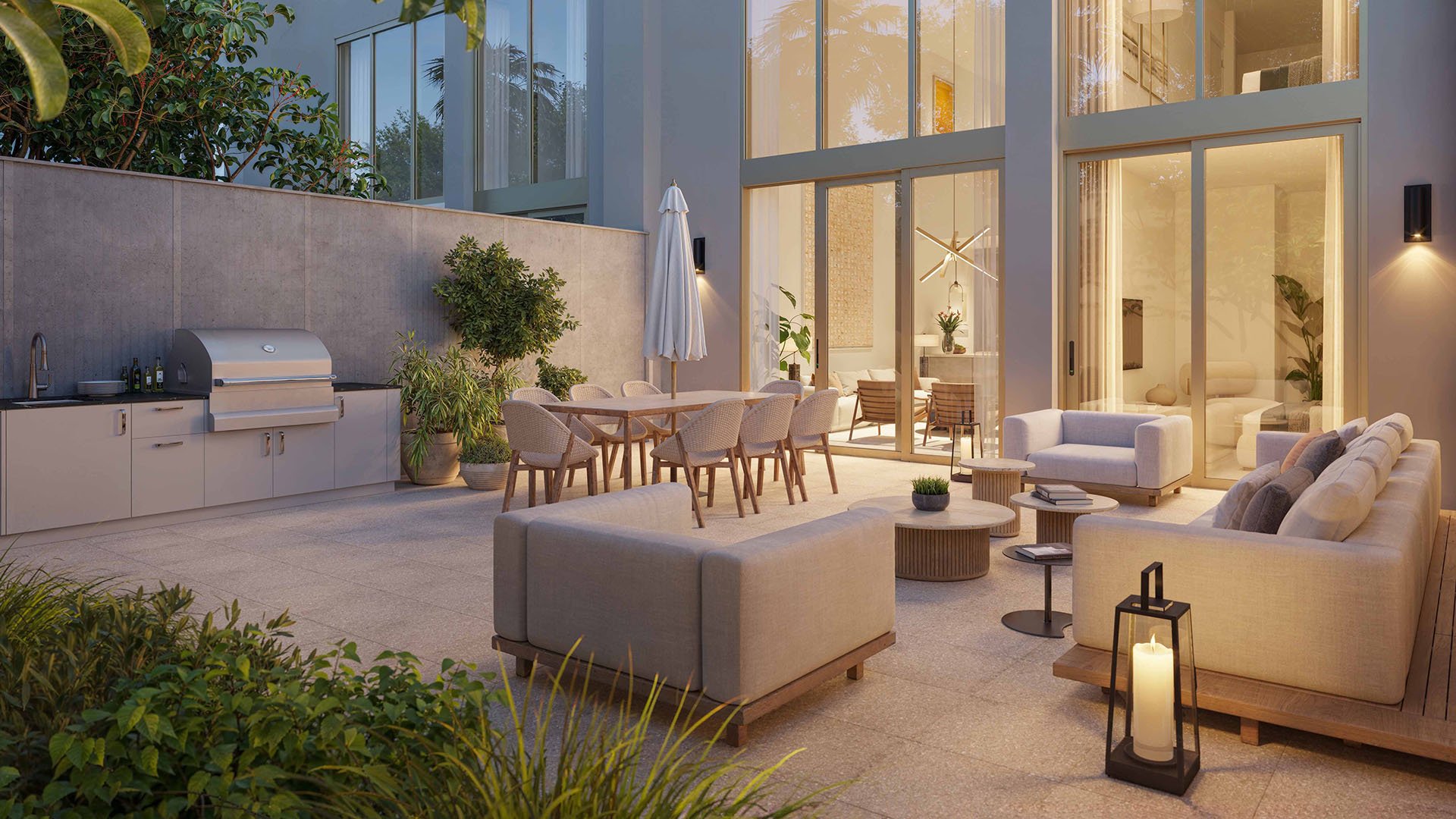
In Brickell, luxury buyers often begin with architecture, views, interiors, and the recognizable language of arrival. For families, however, the deeper question is rarely whether a building has amenities. It is how those amenities are used, governed, reserved, protected, and shared. That is where building culture becomes decisive.
The comparison between 888 Brickell by Dolce & Gabbana and 2200 Brickell is useful because it frames two different buyer conversations within the same urban district. One name immediately evokes fashion, presentation, hospitality, and a heightened sense of social theater. The other reads as a residential Brickell address, where daily livability, family rhythms, and neighborhood convenience may sit closer to the center of the decision.
Neither approach is inherently better. A family choosing between them should not simply ask which building feels more glamorous or more understated. The sharper question is this: which culture will make weekday mornings, teenage independence, visiting grandparents, weekend guests, and privacy feel natural rather than negotiated?
This is the modern Brickell calculus. In the New-construction and Pre-construction landscape, amenity programs can look similar on paper, but their social codes can feel entirely different once residents are living there.
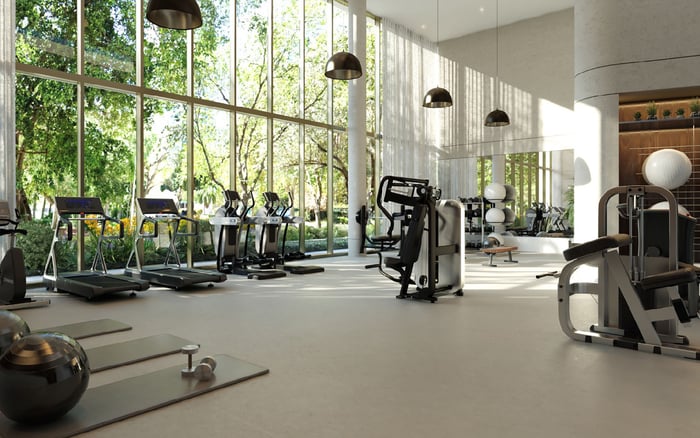
Family amenities are often presented as a list: lounge, children’s room, pool deck, fitness, entertainment spaces, private dining, wellness, and guest accommodations. The list matters, but families should read beyond it. The more important layer is adjacency. Where is the children’s area in relation to adult social spaces? Does the amenity plan encourage family use without placing children in the middle of a formal adult environment? Can parents supervise without hovering?
At a highly image-conscious building, amenity culture may feel more curated. That can be attractive for buyers who value refinement, design discipline, and a polished social atmosphere. It can also require families to understand the etiquette of use. Children may be welcome, but the way a family uses shared space could feel different in a setting where residents expect a more composed hospitality experience.
At a more residentially oriented Brickell address, the tone may be less performative and more practical. Families may prioritize intuitive access, everyday flexibility, and spaces that can withstand repeated use without feeling too precious. This is especially important for buyers with younger children, active teens, or relatives who visit frequently.
The practical walkthrough is simple. Imagine a rainy Saturday, a school-break week, and a holiday weekend. Then ask how each building would function under pressure. The right choice is the one where family life feels supported, not merely accommodated.
Teen spaces are among the most misunderstood amenities in luxury condominiums. A room can be beautifully designed and still fail if it is hidden, overexposed, too formal, too loud, or too difficult to reserve. Teenagers need independence, but parents need confidence. The best spaces balance both.
For buyers comparing 888 Brickell by Dolce & Gabbana with 2200 Brickell, the teen question should be less about whether a room has games, screens, or lounge seating. Those details change over time. The durable issues are visibility, acoustics, operating hours, guest policy, food rules, and proximity to elevators or staffed areas.
A fashion-led residential culture may create striking social rooms, but families should ask whether teens will actually feel comfortable using them. If the design language is very adult, adolescents may treat the space as something to pass through rather than inhabit. Conversely, a building with a more everyday residential tone may support teen use more naturally, provided the rules are clear and the space is well managed.
The ideal teen amenity is neither a babysitting room nor an adult lounge with softer furniture. It is a semi-independent environment where older children can gather without disrupting other residents. For high-net-worth families, that can be as valuable as a larger unit because it gives teenagers controlled autonomy inside the building.
Guest suites are not just a convenience. They reveal how a building thinks about hospitality, fairness, privacy, and resident priority. For families in Brickell, guest-suite access can be central to the ownership experience, especially when grandparents, adult children, friends, or household staff visit.
The questions should be asked early. How are guest suites reserved? Are there minimum and maximum stays? Are holidays restricted? Can the same residence book repeatedly? How far in advance may owners reserve? What happens if demand exceeds supply? Are guests treated like hotel guests, private invitees, or temporary residents?
In a more hospitality-coded environment, guest suites may feel like an extension of the building’s service culture. That can be elegant and efficient, particularly for owners who entertain often. Still, families should study whether access is predictable enough for school vacations, holidays, and multigenerational visits.
In a more residentially grounded culture, the value may be in straightforward rules and lower social friction. A guest suite is most useful when it can be counted on, not merely admired. If visiting family cannot reliably secure the space when needed, the amenity becomes ornamental rather than practical.
For Second-home owners, the question becomes even more important. A Brickell residence may serve as a seasonal base, a family gathering point, or a long-weekend address. Guest-suite rules can determine whether that lifestyle feels gracious or complicated.
The name 888 Brickell by Dolce & Gabbana signals a brand environment. Buyers should expect the conversation to include design identity, arrival sequence, service tone, and the social expectations that often accompany branded residential living. For some families, that is precisely the appeal: a residence with a strong point of view and a sense of occasion.
The risk, if there is one, is mismatch. A family that wants a relaxed, barefoot, constantly used set of shared spaces should evaluate whether the building’s culture will feel too formal. Not because formality is negative, but because children and teens reveal the difference between a beautiful amenity and a usable one.
2200 Brickell, by contrast, invites a different reading. Its identity in this comparison is less about fashion branding and more about the promise of residential life in Brickell. Buyers should look closely at how the building frames family use, daily routines, guest arrivals, and transitions between private residence and shared amenity space.
The most sophisticated buyers do not reduce this choice to glamour versus practicality. They ask where the family will feel most at ease. In luxury real estate, ease is not casual. It is designed, staffed, and governed.
Before signing, families should request clarity on rules rather than relying on renderings or broad amenity language. The most important items are often operational: reservation systems, age restrictions, private event policies, guest permissions, package flow, elevator access, staffing hours, and noise management.
Parents should also walk through daily scenarios. A teenager returns from school with friends. Grandparents arrive for a long weekend. A younger child wants to use a play space while one parent works remotely. A family celebration requires a private room. Each scenario tests whether the building’s culture matches the household’s actual life.
For Brickell buyers, the decision between 888 Brickell by Dolce & Gabbana and 2200 Brickell should be treated as a lifestyle underwriting exercise. Floor plans and finishes matter, but the social operating system of the building may matter more. The right building will make family life feel seamless, even in a dense urban setting.
Why does building culture matter for families in Brickell? Building culture determines how amenities are shared, how rules are enforced, and whether children, teens, and guests feel naturally accommodated.
Is 888 Brickell by Dolce & Gabbana better for buyers who entertain? Its brand identity may appeal to buyers who value presentation and hospitality, but fit depends on rules, access, and family comfort.
Is 2200 Brickell likely to feel more residential? In this comparison, 2200 Brickell reads as a Brickell residential address where daily livability may be a central buyer lens.
What should parents ask about teen spaces? Ask about location, supervision, acoustics, hours, guest rules, and whether teens can use the space without disrupting other residents.
Are guest suites always easy to reserve? Not necessarily. Buyers should review reservation windows, holiday policies, stay limits, and priority rules before relying on guest suites.
Do family amenities increase long-term livability? They can, especially when they support real routines rather than serving only as presentation spaces for marketing.
Should families prioritize a branded residence or a quieter building culture? The better choice is the one that matches the household’s rhythm, privacy expectations, and comfort with social formality.
What is the most overlooked amenity issue? Operational policy is often overlooked, including reservations, age limits, guest permissions, and enforcement consistency.
How should Second-home buyers evaluate these buildings? They should focus on guest access, arrival experience, storage, service consistency, and whether family visits are easy to manage.
What is the best way to shortlist comparable options for touring? Start with location fit, delivery status, and daily lifestyle priorities, then compare stacks and elevations to validate views and privacy.
If you'd like a private walkthrough and a curated shortlist, connect with MILLION.
If branded residences are on your mind — as a home or as an allocation — we would be glad to share what we are seeing, privately.
Begin a quiet conversation