A practical buyer-focused guide to inspection contingency strategy at 888 Brickell by Dolce & Gabbana, with emphasis on full-time ownership, branded-residence operations, Brickell livability, and preconstruction diligence.

888 Brickell by Dolce & Gabbana sits at the intersection of several forces shaping Miami luxury real estate: fashion-house branding, high-design residential identity, hospitality-style service, and the daily intensity of Brickell. For a full-time owner, that combination can be compelling, but it also changes how inspection contingency strategy should be framed.
A conventional condominium inspection often centers on visible defects, appliances, HVAC performance, water intrusion, electrical issues, and final punch-list items. Those items still matter. Yet in a branded, service-oriented tower, the ownership experience also depends on how the building performs day to day. Privacy, arrival sequence, guest management, amenity access, staffing reliability, noise control, operating costs, and neighborhood movement all belong within the practical diligence picture.
This is especially important because 888 Brickell by Dolce & Gabbana is positioned as an ultra-luxury branded residential project in Brickell, not simply a standard condominium with elevated finishes. The Dolce & Gabbana identity is central to the proposition, which means buyers are evaluating a lifestyle environment as much as a residence. The inspection contingency should be structured accordingly.
A seasonal buyer may prioritize views, lock-and-leave convenience, amenity glamour, and resale narrative. An investor may focus on contract terms, operating costs, rental flexibility, and future demand. A full-time owner has a more intimate set of concerns: how the home feels on a Tuesday morning, how secure the lobby feels during peak guest activity, how long valet takes at dinner hour, and whether the amenities enhance daily life or create friction.
For that reason, the inspection period should not be treated as a narrow technical exercise. It should be a staged review of the physical unit, the legal framework, the financial obligations, and the livability of the building. At 888 Brickell by Dolce & Gabbana, the branded-residence layer makes that review more nuanced. Fashion-house design and curated interiors may define the emotional appeal, but long-term owner satisfaction depends on whether those details are supported by durable operations.
Full-time ownership also magnifies small inconveniences. A minor elevator delay, a congested porte cochere, or an unclear guest policy can be tolerable during a short stay. As part of a primary residence, those issues become part of the household rhythm. Inspection strategy should therefore ask not only, “Is the residence finished properly?” but also, “Can this building support the way I actually live?”
For a preconstruction luxury condominium, buyers should expect developer contracts to be more rigid than standard resale agreements. That does not make diligence impossible. It means the buyer’s advisory team should identify inspection rights, document review rights, access opportunities, closing conditions, and remedy procedures before signing or during the earliest available negotiation window.
The key is to avoid relying solely on the final walk-through. By that stage, leverage may be limited and the review may be confined to punch-list corrections. A more practical approach is to clarify what can be reviewed, when it can be reviewed, who may participate, and what happens if deficiencies are found. For high-value buyers, that often means coordinating real estate counsel, an experienced inspector, and a broker who understands branded residential product.
New-construction buyers should also distinguish between cosmetic completion and functional readiness. Beautiful surfaces are not the same as tested systems. A full-time owner should be attentive to air conditioning performance, sound separation, water pressure, smart-home features if applicable, balcony drainage, window and door operation, and the quality of handover documentation. These are practical matters, not aesthetic preferences.
Within the MILLION editorial lens, 888 Brickell by Dolce & Gabbana is both a New Project and a study in how branded residences require a broader due diligence vocabulary. The contract should not be approached as a formality simply because the product is luxurious.
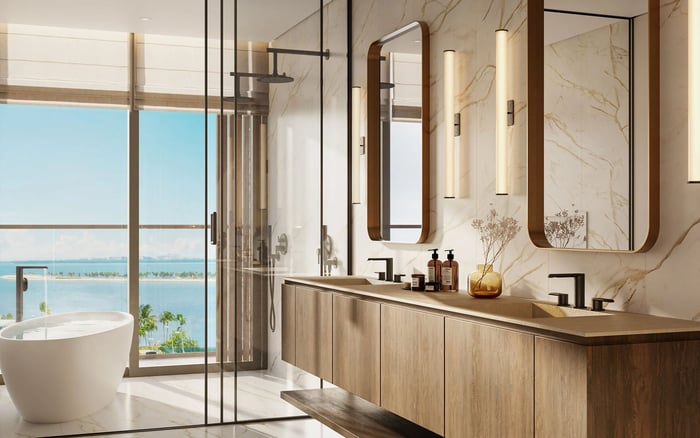
The first inspection layer is the residence itself. Buyers should prepare a detailed review of finishes, mechanical systems, doors, windows, appliances, plumbing, electrical function, cabinetry, flooring, terrace conditions, and any promised design elements included in the agreed purchase package. In an ultra-luxury setting, tolerances matter. Alignment, material consistency, acoustic comfort, lighting quality, and tactile execution are part of the value proposition.
The second layer is the building. Because the project is service-oriented, the inspection contingency should address amenity operations and common-area functionality. A pool deck, lounge, spa, fitness area, arrival court, or concierge desk may be visually persuasive in marketing, but a full-time owner should ask how access is managed, how guests are handled, how resident privacy is preserved, and how service standards are maintained during busy periods.
The third layer is financial and operational. Luxury service is not abstract. It requires staffing, maintenance, reserves, management discipline, and association governance. Buyers should review expected operating costs, association obligations, rules and restrictions, use rights, and any distinctions between residential services and hospitality-style programming. These items can affect both the cost of ownership and the daily sense of control.
This is where an investment mindset can help even a primary-residence buyer. Not because the owner intends to trade the property quickly, but because disciplined underwriting protects lifestyle value. The more curated the experience, the more carefully the operating structure should be examined.
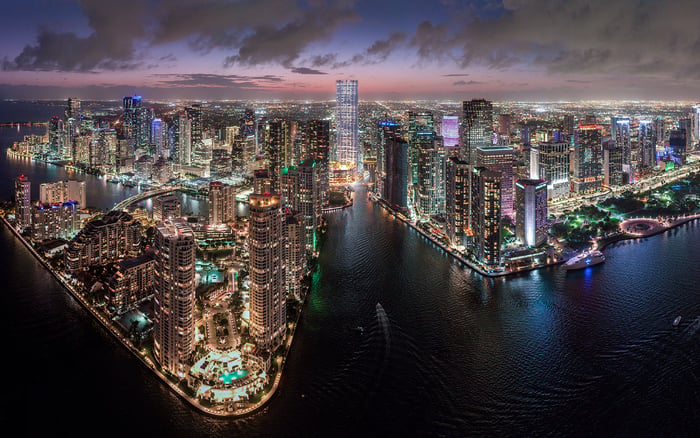
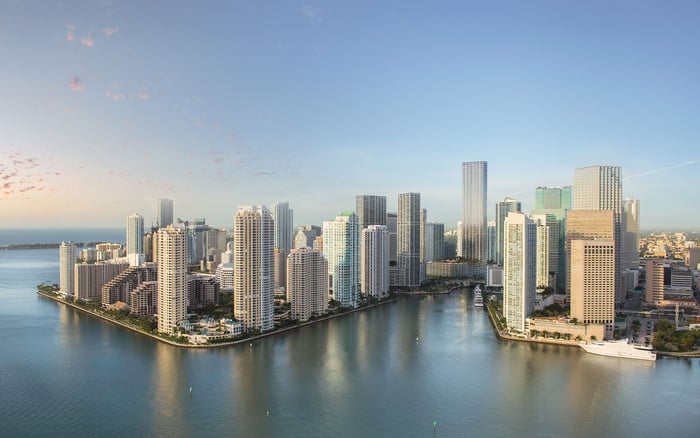
Brickell is one of Miami’s most dynamic urban neighborhoods, and that energy is central to its appeal. It also means full-time owners should evaluate the micro-location with the same seriousness they bring to the residence. Traffic, curbside access, valet choreography, ride-share flow, nearby construction, pedestrian movement, and nighttime noise can all influence quality of life.
For a buyer considering 888 Brickell by Dolce & Gabbana as a primary home, the practical question is not whether Brickell is desirable. It is whether the specific daily routine works. Morning departures, school runs if relevant, dog walks, grocery deliveries, guest arrivals, private drivers, and weekend returns should be mentally tested against the building’s access sequence.
A polished tower can still be affected by the realities of a dense urban core. The inspection contingency strategy should therefore include site visits at different times of day when possible. Buyers should experience the surrounding streets in peak and quiet periods, observe curb movement, and consider how the building’s service model interacts with the neighborhood’s pace.
Branded residences succeed when design identity and service culture feel seamless. For full-time owners, however, seamlessness depends on boundaries. A tower that attracts attention through its brand must also protect resident discretion. That makes privacy protocols, guest registration, amenity access, elevator management, delivery handling, and staff training central diligence topics.
The Dolce & Gabbana association gives the project a distinctive lifestyle position. Buyers drawn to that identity should still test the difference between a glamorous experience and a livable one. How often will amenities be activated? How are residents prioritized? Are guests and service providers routed efficiently? Is there a clear separation between private residential life and more public-facing energy if any exists?
These questions are not expressions of doubt. They are the right questions for a buyer purchasing at the top of the market. The more elevated the promise, the more precisely the buyer should define performance.
A strong strategy begins with a written diligence checklist before the contract is signed. That checklist should separate physical inspection items, legal document review, financial review, operational questions, and lifestyle considerations. Each category should have an assigned professional, a deadline, and a clear decision point.
Physical review should focus on the residence and any appurtenant areas that affect daily life. Legal review should focus on the purchase agreement, condominium documents, rules, use restrictions, amendment rights, and buyer remedies. Financial review should consider projected assessments, service costs, reserves, and the implications of a highly serviced environment. Lifestyle review should test access, privacy, noise, amenity practicality, and neighborhood rhythm.
The most sophisticated buyers do not treat inspection contingencies as a way to find a reason not to buy. They use them to convert desire into informed confidence. At 888 Brickell by Dolce & Gabbana, that means honoring the appeal of design pedigree while insisting on practical clarity.
Is an inspection contingency still important in a luxury preconstruction purchase? Yes. Luxury finishes do not replace the need to review systems, documents, operations, costs, and handover rights.
Should full-time owners inspect differently than seasonal buyers? Yes. Full-time owners should focus more heavily on noise, privacy, service reliability, access, and daily neighborhood flow.
What makes 888 Brickell by Dolce & Gabbana different from a conventional condominium? Its identity is tied to the Dolce & Gabbana brand, with design and service positioning central to the ownership proposition.
Can a buyer negotiate inspection rights in a developer contract? Buyers should raise diligence rights early, because preconstruction contracts are often less flexible than resale agreements.
Is the final walk-through enough? Usually not for a primary residence. A final walk-through is useful, but it should not replace broader legal, financial, and lifestyle diligence.
What should buyers review beyond the unit itself? They should review amenity operations, guest policies, access control, privacy protocols, operating costs, and building rules.
Why does Brickell micro-location matter so much? Brickell offers urban energy, but traffic, valet flow, ride-share activity, and nearby construction can affect daily living.
Should amenity programming be part of due diligence? Yes. Amenities should be evaluated for how they will function for residents, not only for how they appear in presentation materials.
Does a branded residence require more operational review? It often does, because the lifestyle promise depends on staffing, service consistency, privacy management, and long-term cost control.
Who should help evaluate the contingency strategy? Buyers should consider experienced real estate counsel, a qualified inspector, and an advisor familiar with high-end condominium purchases.
When you're ready to tour or underwrite the options, connect with MILLION.
If branded residences are on your mind — as a home or as an allocation — we would be glad to share what we are seeing, privately.
Begin a quiet conversation