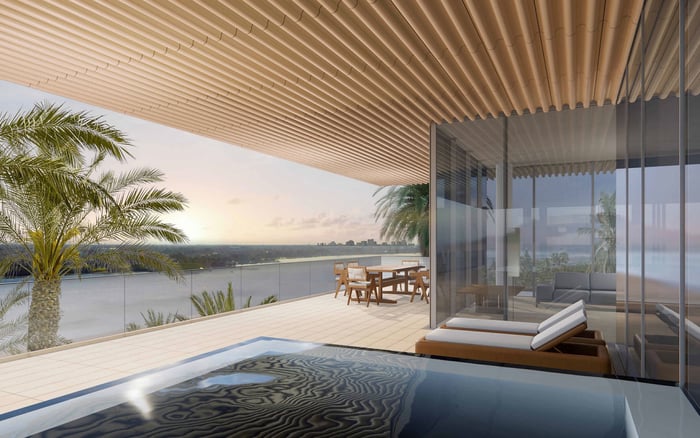
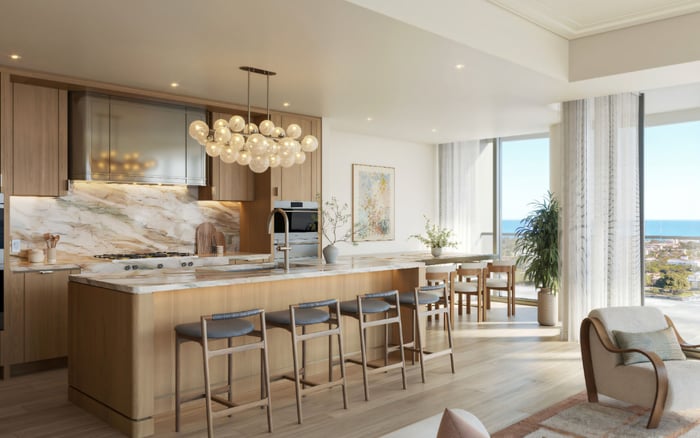
A discreet buyer’s guide to evaluating luxury sauna facilities in 2026, framed around Vitae Residences Edgewater and MOD West Palm Beach without overstating undisclosed project specifics.
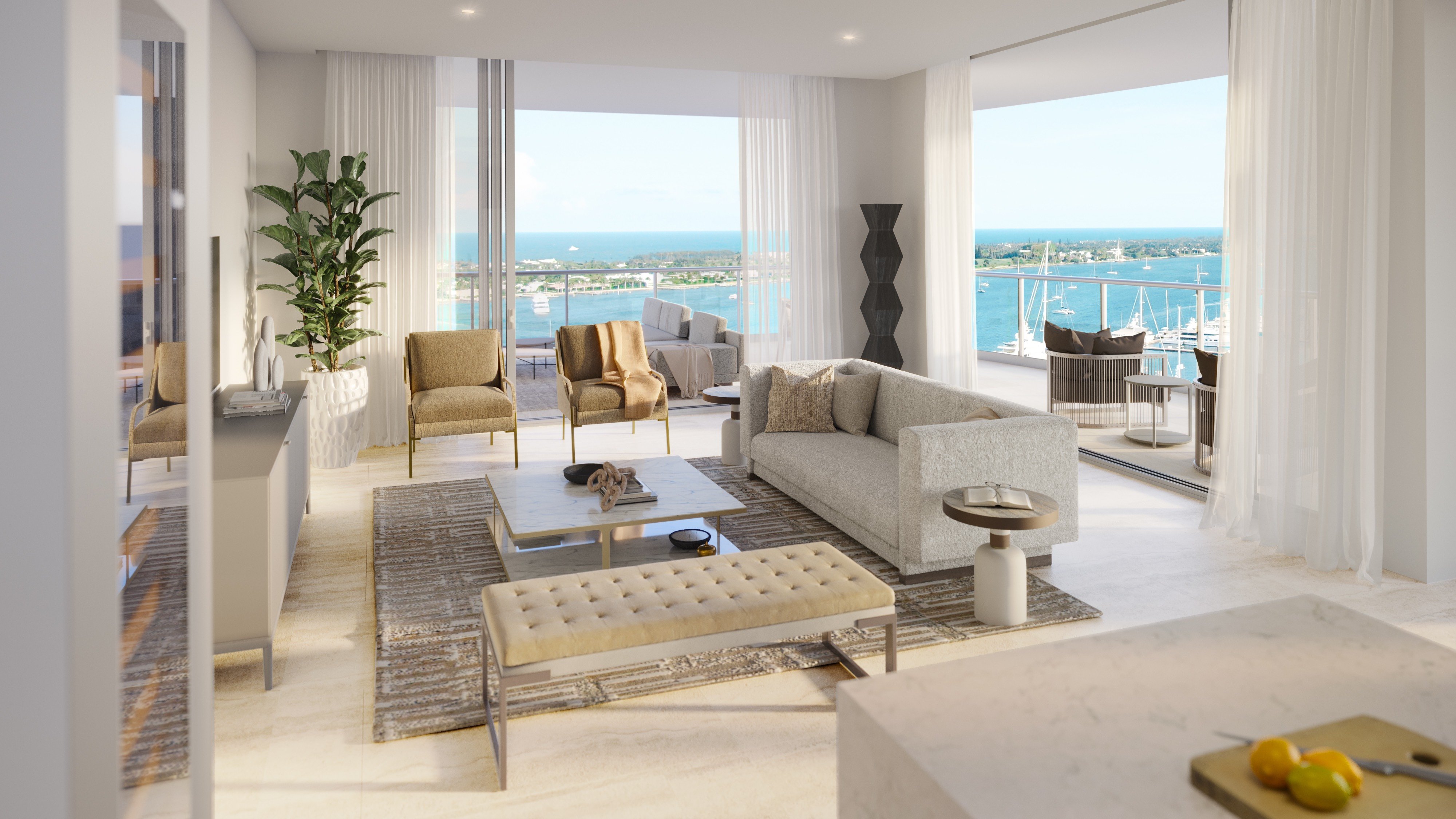
The luxury sauna has moved beyond the amenity checklist. In 2026, the discerning South Florida buyer is not persuaded by a heated room alone. The real question is whether the facility feels fully resolved: calm on arrival, intuitive in use, discreet enough for residents who value privacy, and durable enough to perform beautifully long after the opening season.
That is the right lens for comparing Vitae Residences Edgewater and MOD West Palm Beach. With project-specific sauna details best confirmed during a private presentation, the more valuable editorial exercise is to define what a sophisticated buyer should expect before signing. The conversation should begin with experience, not adjectives.
A true luxury sauna program is a sequence. It considers the transition from fitness to heat, from heat to cool-down, and from cool-down to social or solitary recovery. It also accounts for sound, scent, lighting, towel service, ventilation, materials, and the subtle choreography of who encounters whom. In South Florida, where wellness is increasingly central to ownership, these details separate a handsome amenity from a daily ritual.
Vitae Residences Edgewater sits within a neighborhood context where vertical living, water views, design culture, and daily convenience shape buyer expectations. Edgewater residents are often weighing the promise of a polished private refuge against the pace of the city. A sauna facility in this setting should therefore be judged by how well it restores quiet.
For buyers considering Vitae Residences Edgewater, the most important question is not simply whether a sauna is present. It is whether the wellness area has the composure to feel private during peak hours. A city residence can offer extraordinary convenience, but the sauna must avoid reading as a corridor-adjacent add-on. The ideal condition is a spa environment with a clear threshold, controlled acoustics, considered lighting, and a circulation path that does not push residents through high-traffic social space immediately after heat exposure.
The Edgewater buyer should also study the relationship between sauna, fitness, pool, changing areas, and any recovery spaces. A well-planned facility allows the resident to move naturally from workout to heat to rinse to lounge without friction. The best version of this experience feels architectural, not operational. It is quiet because the plan supports quiet.
MOD West Palm Beach invites a different reading because West Palm Beach ownership is often associated with a more leisurely rhythm, a stronger club sensibility, and a lifestyle that can blend residence, hospitality, and wellness. In that environment, the sauna should be evaluated for its ability to support both routine and occasion.
The strongest sauna facilities in this type of setting do not rely on scale alone. They create an atmosphere in which residents can use the amenity before dinner, after training, during a quiet morning, or as part of a weekend reset. The room itself matters, but so does the surrounding program. Seating comfort, waiting areas, privacy between men’s, women’s, and inclusive arrangements, and the quality of the post-sauna cool-down all belong in the comparison.
MOD West Palm Beach should be reviewed through the lens of frequency. If the sauna is likely to become part of an owner’s weekly pattern, the buyer should ask whether the space is easy to access, easy to leave, and easy to repeat. Luxury is not only about the first impression. It is about whether the tenth visit still feels effortless.
The first comparison point is heat quality. Buyers should clarify whether the sauna experience is traditional, infrared, steam-adjacent, or part of a broader thermal circuit. Each format has a different character. Traditional dry heat reads ceremonial and architectural. Infrared can feel more personal and recovery-oriented. Steam has its own appeal, but it is not the same experience as a sauna and should not be conflated with one.
The second point is privacy. A luxury building may have a beautiful wellness deck, but if the sauna is too exposed, too small for the resident base, or positioned in a way that makes use feel public, the experience loses refinement. Privacy is not only a design preference. For many high-net-worth owners, it is the amenity itself.
The third point is maintenance. Materials should be appropriate for heat, humidity, and constant use. Benches, walls, doors, controls, drainage, and ventilation should all feel robust. In South Florida, where moisture is a permanent design condition, a wellness area must be judged by how it will age.
The fourth point is programming. Some buyers prefer a quiet, self-directed sauna. Others want a full wellness environment with recovery lounges, plunge concepts, guided rituals, or attendant-level service. Neither approach is inherently superior. The better choice is the one aligned with the owner’s pattern of living.
For both projects, the relevant lenses are location, delivery stage, privacy, pool programming, and the way wellness spaces connect to daily residential life. Those terms are not mere search labels; they reflect the real decision architecture around setting, ownership rhythm, and amenity use.
During a private visit, begin outside the sauna. Notice the arrival sequence. Is it calm, or does it feel borrowed from another amenity? A serious wellness facility announces itself with restraint. It should not need theatrical branding to feel expensive.
Then study the threshold. The door, handle, lighting shift, and immediate sightline all matter. A sauna is an intimate space, so the transition into it should feel protected. If residents can see too much from outside, or if users inside feel overly visible, the experience will not satisfy the most privacy-conscious buyer.
Next, evaluate support spaces. Showers should be convenient, not distant. Towels should feel integrated into the experience. Cool-down seating should not be an afterthought. If lockers or changing areas are part of the program, they should reinforce the same level of calm as the sauna itself.
Finally, ask how the amenity will operate. Hours, guest policies, reservation practices, cleaning cadence, and resident capacity can influence the value of the facility as much as design. A spectacular room with awkward access may be less valuable than a smaller facility that is beautifully managed.
Vitae Residences Edgewater should be tested against the demands of urban serenity. Its strongest possible sauna experience would be one that insulates residents from the energy of the city while preserving the convenience that makes Edgewater compelling.
MOD West Palm Beach should be tested against the demands of lifestyle continuity. Its strongest possible sauna experience would be one that feels natural within a broader pattern of wellness, leisure, and social discretion.
For both, the essential question is the same: does the sauna feel like a designed ritual or an amenity bullet point? In 2026, luxury buyers know the difference. The best sauna facilities are not necessarily the largest or most dramatic. They are the ones residents use repeatedly because every detail has been considered.
What defines a luxury sauna standard in 2026? Privacy, heat quality, ventilation, maintenance, and recovery flow now matter as much as visual design.
Should buyers compare Vitae Residences Edgewater and MOD West Palm Beach only by amenity lists? No. The stronger comparison is how each wellness setting supports daily use, privacy, and relaxation.
Is a sauna the same as a steam room? No. A sauna typically emphasizes dry heat, while steam creates a humid thermal experience.
What should I ask during a private tour? Ask about heat type, access rules, cleaning cadence, guest policy, operating hours, and capacity.
Why does sauna placement within the amenity plan matter? Placement affects privacy, noise, comfort, and the ease of moving between fitness, shower, and recovery areas.
Are larger sauna facilities always better? Not necessarily. A smaller facility can feel more luxurious if it is private, quiet, and well managed.
How important is the cool-down experience? It is essential. A refined sauna sequence should include an easy transition to showers, seating, or calm recovery space.
What materials should buyers look for? Buyers should look for heat-appropriate finishes, durable benches, quality doors, and surfaces suited to humidity.
Does location change the sauna standard? Yes. Edgewater may prioritize urban retreat, while West Palm Beach may emphasize a more club-like wellness rhythm.
What is the best way to shortlist comparable options for touring? Start with location fit, delivery status, and daily lifestyle priorities, then compare stacks and elevations to validate views and privacy.
For a tailored shortlist and next-step guidance, connect with MILLION.
If branded residences are on your mind — as a home or as an allocation — we would be glad to share what we are seeing, privately.
Begin a quiet conversation