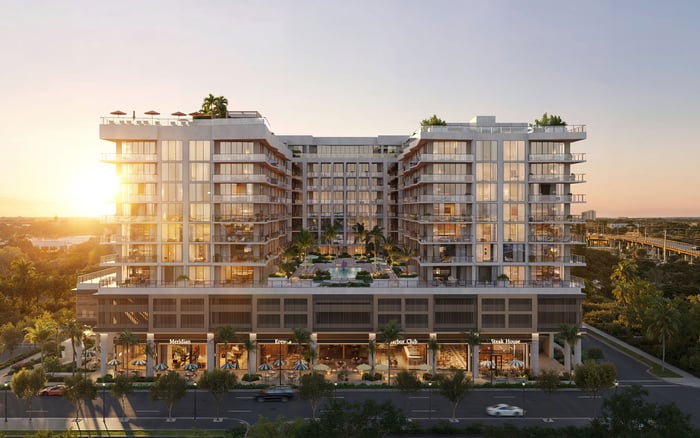
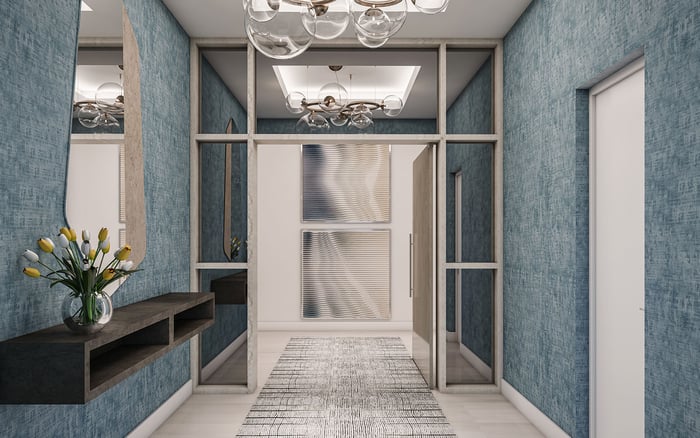
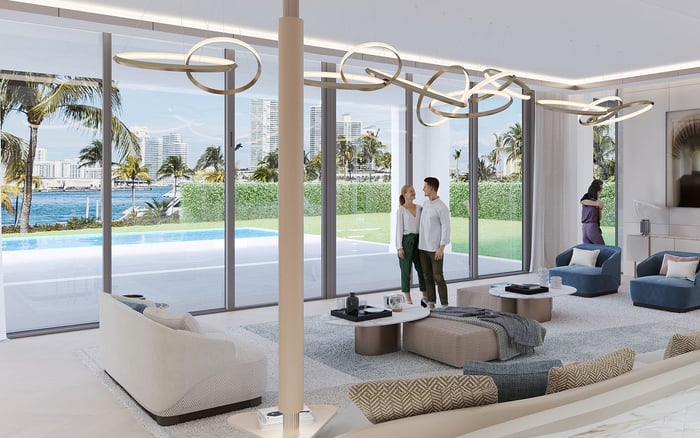
A discreet buyer’s guide to Palm Beach estate pool planning, using The Brazilian Court Residences and The Chesterfield as reference points for luxury expectations, design discipline, and regulatory due diligence.
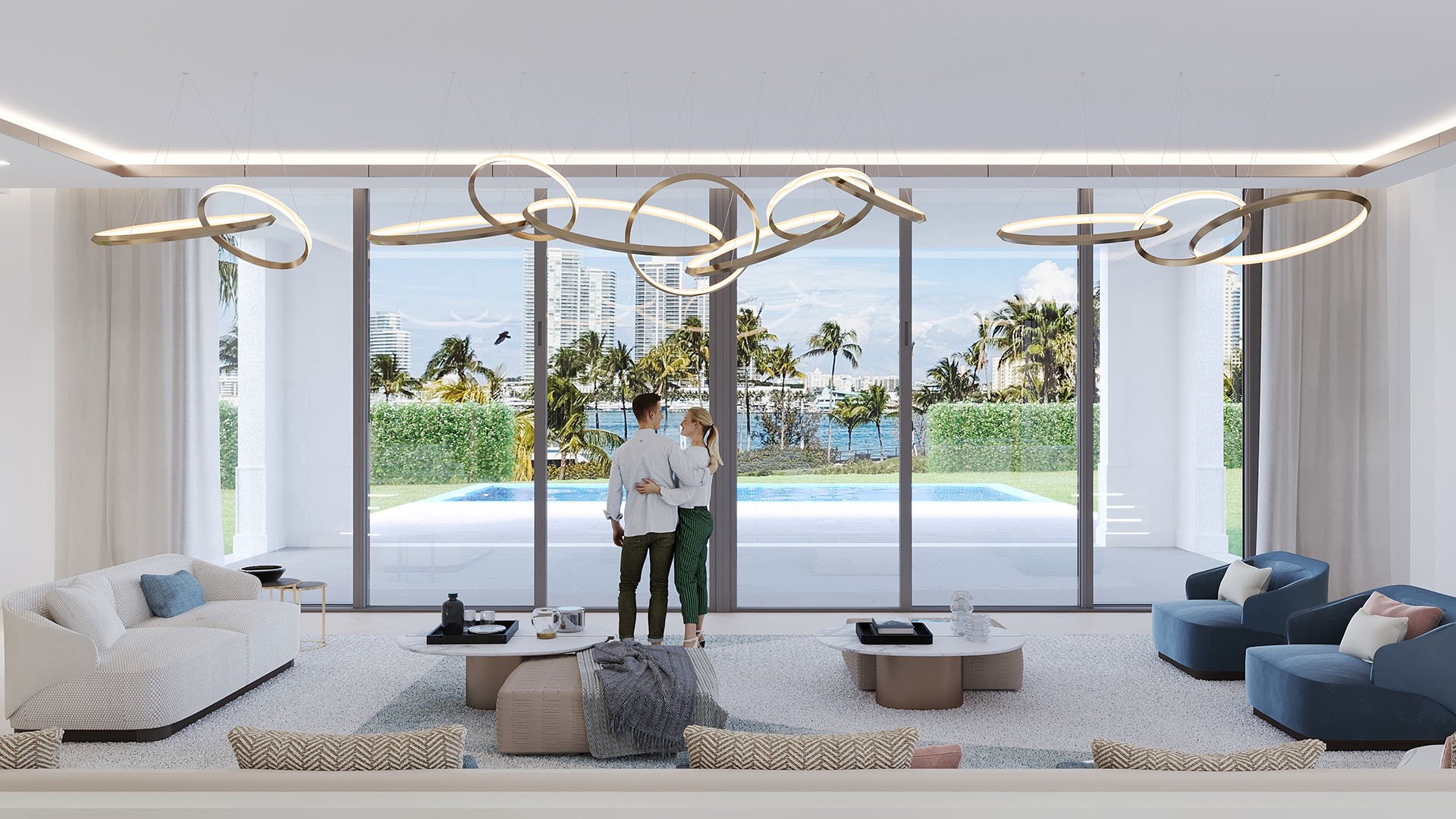
In Palm Beach, the estate pool is rarely just a pool. It is the center of a private garden, a visual axis from a loggia, a buffer between entertaining spaces, and often the clearest test of whether a property has been improved with discipline. For buyers evaluating Palm Beach estate pool regulations through the lens of The Brazilian Court Residences and The Chesterfield, the issue is not beauty alone. It is whether that beauty sits within a sound framework of approvals, setbacks, safety requirements, drainage logic, and neighborhood discretion.
At the top of the market, pool design is judged twice. First, emotionally: by the way water reflects architecture and landscape. Second, technically: through documentation, permits, and the quiet assurance that the improvement will not become an expensive post-closing problem. A pool can enhance value, but only when its placement, equipment, enclosure, lighting, and surrounding hardscape align with the property’s legal and physical limits.
The Brazilian Court Residences and The Chesterfield carry a particular weight in the Palm Beach imagination because they evoke a more intimate form of luxury. They suggest courtyards, shaded arrival sequences, manicured outdoor rooms, and privacy that feels composed rather than defensive. Buyers drawn to that atmosphere often want an estate pool that feels less like a resort installation and more like a natural extension of the house.
That expectation changes the due diligence. A pool near an older or architecturally sensitive structure may require a more careful review of prior approvals, landscape constraints, and the relationship between outdoor improvements and neighboring properties. Even when a pool appears long established, a buyer should understand whether the present condition matches the available documentation. In Palm Beach, confidence is a luxury feature.
A serious pool review begins with location. The pool basin, deck, equipment pad, fencing, walls, gates, and accessory features may each be treated differently for regulatory purposes. A buyer should not assume that because the waterline looks well placed, the entire pool environment is equally compliant. The most elegant pool terrace can still raise questions if surrounding improvements crowd setbacks, alter drainage, or introduce visibility and noise concerns.
Coverage and permeability are also central. Palm Beach estates often balance architecture, motor courts, terraces, loggias, garden paths, and service areas on finite land. A new or modified pool may affect how much of the site is covered by structures or hardscape. The vocabulary around this search is unusually specific: Palm-beach, Pool, single-family-homes, Gated-community, Second-home, and Investment all point to the same question: whether outdoor luxury has been designed within the property’s permissible envelope.
Safety is equally important. Barriers, gates, alarms, access points, and visibility should be reviewed as part of the pool environment, not as afterthoughts. For families, multigenerational households, and owners who entertain frequently, the most desirable pools are those where compliance and everyday ease feel inseparable.
Before relying on the visual appeal of a Palm Beach pool, a buyer should request and review the property’s permit history, surveys, plans, and any available approvals connected to the pool and surrounding outdoor areas. This is especially important when the pool has been resurfaced, expanded, relocated, fitted with new equipment, or integrated into a broader landscape renovation.
The survey should be read carefully. It may reveal the relationship between the pool, property lines, walls, easements, covered terraces, and accessory structures. The goal is not to turn a lifestyle purchase into a technical exercise. The goal is to ensure that the lifestyle being purchased is durable.
Equipment deserves its own inspection. Pumps, heaters, automation systems, lighting controls, and related mechanical elements can affect both daily enjoyment and neighbor relations. A beautifully silent garden is part of the Palm Beach ideal. Equipment that is poorly placed, visually exposed, or acoustically intrusive can diminish that ideal, even if the pool itself is attractive.
The best Palm Beach pools are not always the largest. They are the ones that appear inevitable. Their proportions suit the house, their edges respect the garden, and their surrounding surfaces feel cool, restrained, and timeless. Buyers drawn to the hospitality language of The Brazilian Court Residences and The Chesterfield often understand this instinctively. The pool should create privacy without heaviness, ceremony without spectacle, and comfort without visual noise.
Landscape is central to that result. Hedges, palms, flowering trees, and layered plantings can soften pool edges and screen views, but they can also create maintenance, root, and drainage considerations. When landscape is used to solve for privacy, the buyer should understand whether the solution is sustainable over time. Mature planting can be priceless, but only if it works with the site rather than against it.
Lighting should be treated with equal restraint. Evening pool lighting can make an estate feel cinematic, but excessive brightness or poorly aimed fixtures can disturb the quiet that defines Palm Beach living. The most sophisticated approach is usually layered and low-glare, emphasizing steps, paths, water, and architectural edges without turning the garden into a stage.
Buyers often ask whether it is better to renovate an existing pool or plan for a new one. The answer depends on the property. Renovation may preserve a desirable location, mature landscaping, and an established outdoor rhythm. Replacement may allow for updated systems, improved geometry, better access, and a more coherent relationship to current living patterns.
The regulatory question is whether a proposed change triggers a broader review than expected. A cosmetic refresh is not the same as a meaningful alteration. Moving equipment, changing deck areas, altering drainage, adding water features, or expanding the pool environment may each introduce additional requirements. For a buyer considering major improvements, the right time to assess feasibility is before closing, not after a design concept has become emotionally fixed.
A compliant, beautifully integrated pool can strengthen a Palm Beach estate’s appeal because it reduces uncertainty. It tells the next buyer that the property has been cared for in the manner expected at this level. Conversely, a pool with unclear documentation can become a negotiation point, even if it photographs well.
For end users, the benefit is daily ease. For investors and second-home owners, the benefit is resilience. Outdoor living is one of South Florida’s defining luxuries, but in Palm Beach it is most valuable when it feels effortless. That effortlessness is usually the product of careful planning, not chance.
Do Palm Beach estate pool regulations matter if the pool already exists? Yes. Existing pools should still be reviewed for documentation, condition, and consistency with the property’s current survey and improvements.
Should a buyer review pool permits before closing? Yes. Permit history can help clarify whether the pool, deck, equipment, and related work were properly documented.
Are setbacks the only issue for an estate pool? No. Buyers should also consider coverage, drainage, safety barriers, equipment placement, lighting, and landscape impacts.
Why mention The Brazilian Court Residences and The Chesterfield in this context? They frame a Palm Beach idea of intimate, polished outdoor living that many estate buyers seek to translate into private residences.
Can a pool renovation be simpler than building a new pool? Often, but not always. The scope of changes determines how much review, design coordination, and approval work may be needed.
What should be inspected beyond the pool shell? Equipment, heating, automation, lighting, decking, drainage, gates, barriers, and nearby landscape conditions should all be reviewed.
Does pool lighting affect luxury value? Yes. Discreet lighting can elevate evening use, while harsh or poorly aimed lighting can undermine privacy and neighborhood comfort.
Is a larger pool always better for resale? No. Proportion, privacy, compliance, and integration with the house often matter more than size alone.
Should landscape be part of pool due diligence? Yes. Plantings can affect privacy, maintenance, roots, drainage, and the long-term character of the outdoor space.
When should a buyer bring in specialists? Before closing, especially if the pool is central to value or if renovations are being considered.
When you're ready to tour or underwrite the options, connect with MILLION.
If branded residences are on your mind — as a home or as an allocation — we would be glad to share what we are seeing, privately.
Begin a quiet conversation