A practical luxury-condo guide to internet redundancy at 2000 Ocean Hallandale Beach, focused on layered resilience, household risk tiers, and the connectivity expectations of oceanfront living.
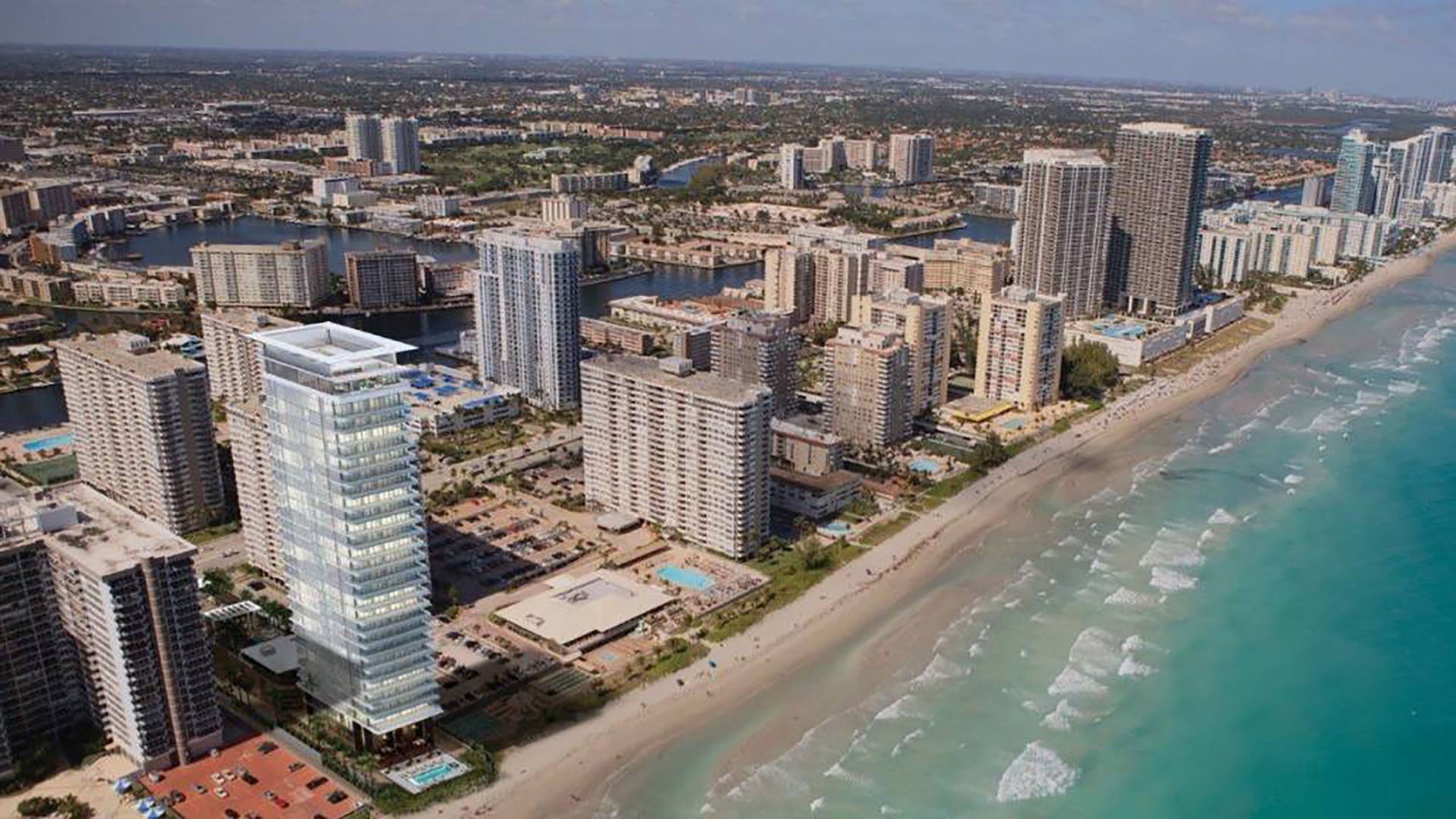
At 2000 Ocean Hallandale Beach, internet redundancy should be treated as part of the residence’s operating infrastructure, not as an afterthought handled by a router in a cabinet. In a South Florida luxury condominium setting, households often rely on digital systems for work, entertainment, security, travel coordination, and daily home management.
For many owners, the question is not only whether the internet is fast on an ordinary day. The sharper question is what happens when the primary connection fails, power becomes unstable, a device is misconfigured, or a resident is away and needs remote access to the residence. Redundancy is the quiet discipline of answering that question before it becomes urgent.
In an ultra-modern residence, connectivity can be as essential as climate control, lighting, and access. A beautiful home that cannot support a video conference, remote security check, telemedicine session, or smart-home command during a disruption is not operating at its full potential.
The most effective planning begins with the household’s true dependency on connectivity. A casual streaming household may need reliable Wi-Fi and a sensible backup plan, but it may not require the same architecture as a resident whose income, health care, security posture, or executive obligations depend on continuous access.
A risk-tiered approach is especially useful for luxury condominium owners because the household profile can include travel, remote executive work, digital entertainment, home automation, security monitoring, and second-home management. A second-home owner, for example, may care less about streaming performance on a routine evening and more about whether cameras, entry systems, leak sensors, climate controls, and remote access remain reachable while the owner is elsewhere.
Households should define their critical uses in plain language. If trading, telemedicine, confidential video meetings, remote board work, or security monitoring is involved, the home belongs in a higher redundancy tier. If the residence is primarily used for leisure, streaming, and occasional email, the plan can be simpler. Luxury does not always mean maximum complexity; it means designing the system to match the consequences of failure.
Redundancy is not one device. It is a layered architecture. At the building level, residents should understand how shared infrastructure interfaces with individual residences. At the unit level, the network should be designed with appropriate cabling, access points, equipment placement, and support for smart-home systems. At the service level, households can evaluate whether a secondary path is appropriate. At the power level, critical networking equipment may need backup capacity so a brief outage does not disable the entire digital environment.
The important point is coordination. A strong in-unit network cannot compensate for every upstream issue, and a building system cannot solve every household configuration problem. Residents should discuss any changes with property management, service providers, and qualified low-voltage integrators. That coordination should be handled discreetly and professionally, with attention to building standards, equipment locations, aesthetics, and ongoing maintenance.
Owners should avoid viewing redundancy as a one-time installation. Networks age. Firmware changes. Household devices multiply. Security expectations rise. A system that served a residence well two years ago may need adjustment when remote work expands, a new automation platform is added, or the home is more frequently managed from another location.
A practical plan begins with mapping the home’s digital dependencies. Which systems require connectivity every day? Which systems should remain online during a disruption? Which devices are merely convenient? This simple inventory often reveals that the most important equipment is not the television or laptop, but the modem, router, network switch, access points, smart-home processor, security bridge, and any remote monitoring hardware.
The next step is separating convenience from critical continuity. Entertainment can tolerate interruptions. A home office running executive calls may not. A thermostat may be manageable later. A security system or remote entry function may need priority. This hierarchy helps a specialist design failover rules, equipment backup, and network segmentation without overbuilding the home.
Residents should also consider the human side of the plan. Who receives alerts? Who can reboot equipment when the owner is traveling? Who has permission to coordinate with management or a technician? Where are network credentials documented, and who can access them in an emergency? In luxury residences, the operating plan is often as important as the hardware.
A final consideration is discretion. Equipment should be accessible without becoming visually intrusive. Luxury networking is not about exposed boxes and blinking lights in the primary living areas. It is about performance quietly integrated into the residence, with enough documentation that the system can be serviced without confusion.
Before purchasing backup equipment or adding services, households at 2000 Ocean should ask several practical questions. What does the residence truly need to keep online? Which rooms must support high-quality work calls? Are smart-home systems dependent on cloud access, local processors, or both? Is there a documented network diagram? Are critical devices connected to backup power? Is there a trusted technician who understands the residence and the building environment?
It is also worth asking how the residence will be used over the next several years. A primary residence with daily executive work may require a different standard than a seasonal home. A family with telemedicine needs may value reliability differently from an owner focused on entertainment. A household that travels often may need remote access, remote alerts, and clear escalation procedures.
The best plans are specific without being fragile. They do not rely on a single person remembering how the system works. They do not assume every device has equal priority. They do not add complexity simply because complexity sounds premium. Instead, they create a disciplined hierarchy: essential systems first, convenience systems second, aesthetic integration throughout.
For buyers evaluating 2000 Ocean, internet redundancy belongs in the same due diligence conversation as floor plan, exposure, storage, service, and building operations. It is not necessary to turn a real estate decision into a technical audit, but it is reasonable to understand how the residence can support the household’s digital life.
That is especially true in a coastal South Florida setting where lifestyle expectations are elevated. Buyers should think about where they will work, how guests will connect, how entertainment systems are supported, and how the residence is monitored when unoccupied. In Hallandale Beach, resilience should be treated as a component of comfort.
For sellers, a well-documented network can become part of the home’s quiet polish. Clear labeling, organized equipment, updated access points, a clean media cabinet, and a known support contact can reassure sophisticated buyers. The goal is not to market technology for its own sake. It is to demonstrate that the residence has been managed with the same care applied to materials, furnishings, and service.
At 2000 Ocean Hallandale Beach, the strongest connectivity strategy is neither extravagant nor improvised. It is layered, risk-aware, and tailored to the household. For the right owner, that may mean a modest backup plan. For another, it may mean a more resilient architecture supporting remote work, security, health, and mobility. The luxury is knowing the difference.
Why should internet redundancy matter at 2000 Ocean? Because connectivity supports work, entertainment, security, smart-home systems, and remote residence management. In a luxury condominium, it functions like a core utility.
Is redundancy only for residents who work from home? No. It can also matter for telemedicine, home security, travel coordination, automation, and monitoring a residence while away.
What is the first step in planning redundancy? Identify which systems are mission-critical and which are merely convenient. The plan should follow the household’s real risk profile.
Should every household build the same backup system? No. A casual streaming household may need less resilience than one dependent on trading, executive work, health care, or security.
Does building infrastructure replace in-unit planning? No. Building systems and in-unit networks are separate layers that should work together, but one does not eliminate the need for the other.
What equipment is usually most important to protect? The modem, router, switches, access points, smart-home controls, and security-related devices are often more critical than entertainment devices.
Should power backup be part of the conversation? Yes, for critical networking equipment. Even a brief power interruption can disable remote access or connected home systems.
Who should help design a redundancy plan? A qualified low-voltage or networking specialist can coordinate the in-unit design, ideally in alignment with property management requirements.
Can redundancy be discreet in a luxury residence? Yes. The best systems are organized, accessible for service, and visually quiet within the home’s design language.
How often should a household review its setup? Periodically, especially after adding smart-home systems, changing work patterns, or using the residence more frequently as a remote-managed home.
If you'd like a private walkthrough and a curated shortlist, connect with MILLION.
If branded residences are on your mind — as a home or as an allocation — we would be glad to share what we are seeing, privately.
Begin a quiet conversation