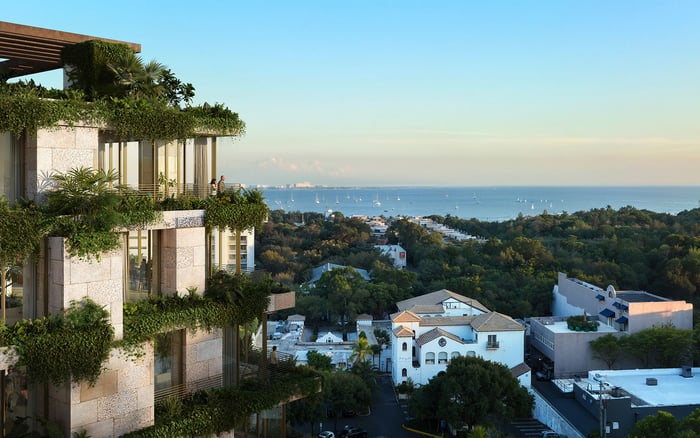
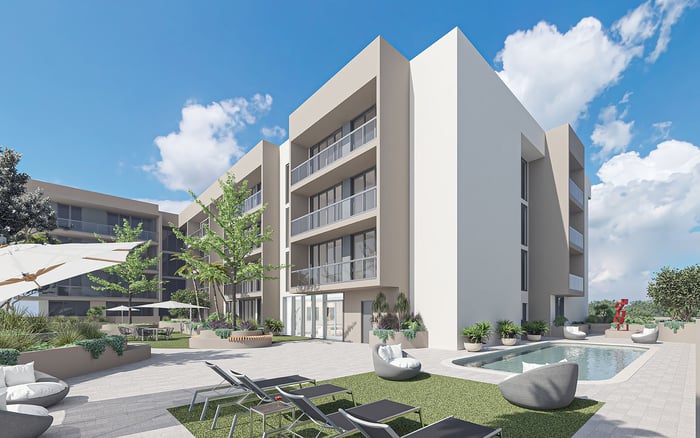
Arbor offers a private, low-rise Coconut Grove setting, but yacht ownership requires a separate marina strategy. Buyers should verify vessel access, slip security, storm obligations, and discreet landside transfers before committing to the residence.
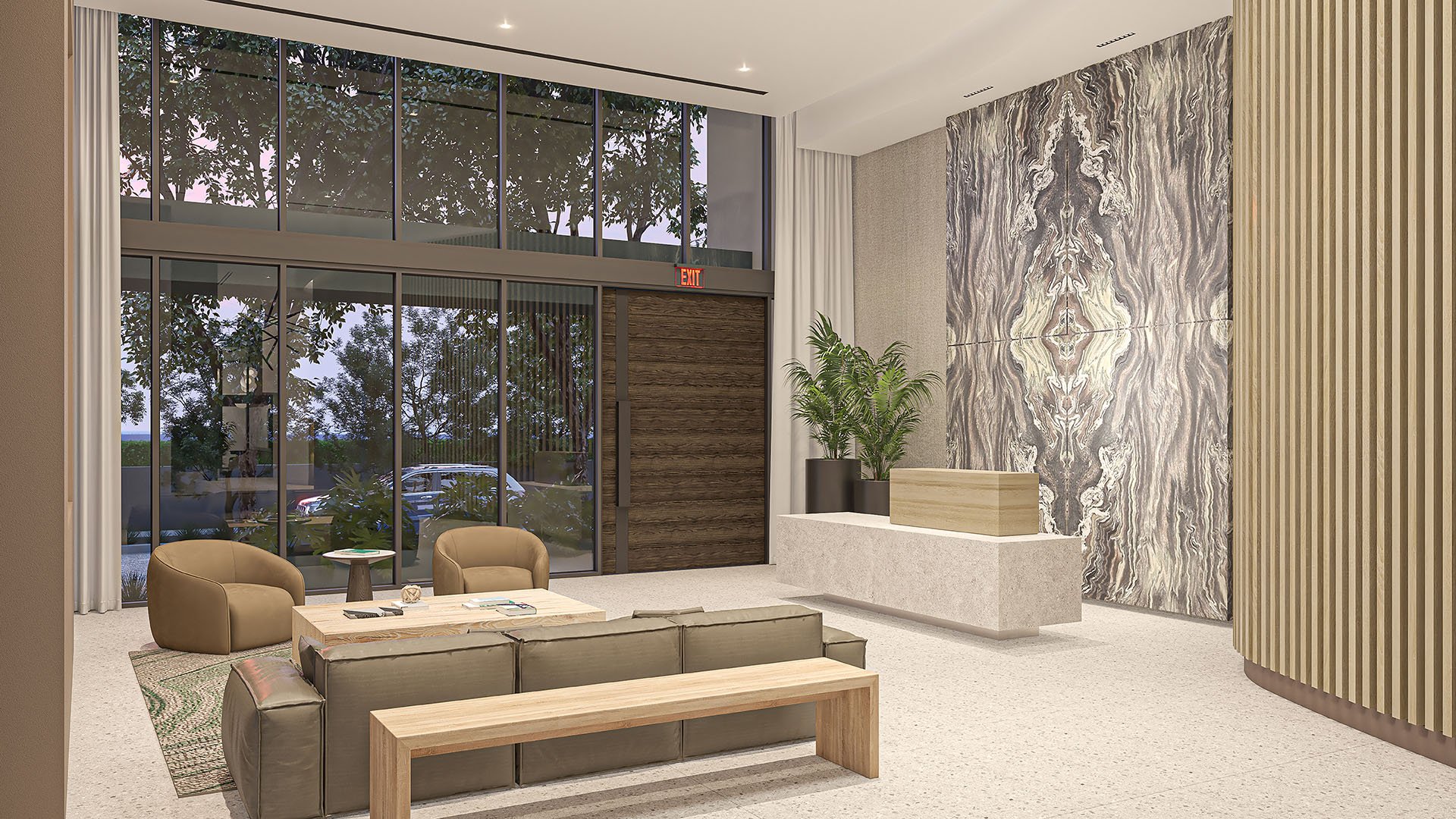
For a yacht owner, the central fact about Arbor Coconut Grove is straightforward: this boutique, low-rise development occupies an inland residential setting rather than a direct Biscayne Bay waterfront site. Its emphasis on privacy, a quieter neighborhood environment, and eco-conscious design may be highly attractive, but the property does not offer direct waterfront access, private yacht slips, or deeded dockage.
That distinction should shape the purchase process from the outset. The residence and vessel are separate arrangements, each with its own contracts, operating risks, access protocols, and long-term considerations. A buyer can choose Arbor Coconut Grove for its residential character while independently securing a marina relationship suited to the yacht.
This is more than a logistical footnote. Daily use requires a land transfer between the home and marina rather than direct boarding at the residence. The quality of that transfer-and the reliability of the external slip-will influence how effortless yacht ownership feels in practice.
External dockage must fit the vessel, not simply the owner’s preferred location. Confirm compatibility with the yacht’s length, beam, draft, and service requirements in writing. The marina agreement should also address slip dimensions, available depth, waiting-list status, insurance requirements, parking, security, guest access, liveaboard restrictions, and rules governing contractors or crew.
Long-term slip security deserves particular attention because no dockage is attached to an Arbor residence. Clarify whether the arrangement is seasonal or longer term, what renewal rights exist, how rates may change, and which events permit termination or reassignment. A boat slip should never be treated as assured until the relevant terms have been reviewed and accepted.
The same discipline applies when comparing other Coconut Grove residences. A buyer considering Four Seasons Residences Coconut Grove, Mr. C Tigertail Coconut Grove, or Park Grove Coconut Grove should verify the precise relationship between the selected home, waterfront access, and intended vessel rather than rely on neighborhood proximity alone.
Bridge and channel suitability cannot be established from a residential address. Before committing to dockage, the captain or a qualified marine adviser should test the complete route against the vessel’s actual air draft and underwater draft. Current official navigation charts, notices to mariners, tide data, and marina guidance should inform the review.
Request the intended route from the proposed slip to open water, then identify every fixed or opening bridge, channel constraint, depth consideration, and operating restriction along it. Verify whether passage depends on tides, scheduled openings, temporary conditions, or other navigational factors. The answer is vessel-specific and should be reconfirmed close to use-not assumed from a prior voyage or another yacht’s experience.
Sea trials or route checks may also reveal practical issues that a map cannot fully convey, including maneuvering space and the operational effect of local speed controls. The objective is to understand not only whether the yacht can pass, but whether the route suits the owner’s expected frequency and style of use.
Because Arbor has no on-site dock, yacht storm planning must be coordinated with the external marina or a separate hurricane-storage provider. The buyer should request written procedures covering evacuation deadlines, responsibility for moving the vessel, acceptable securing methods, access restrictions, insurance documentation, and the consequences of missing a required deadline.
Responsibility should be unmistakable. Determine whether the captain, owner, marina, or storage provider is expected to act, and establish an alternate plan if the primary destination cannot accept the vessel. Crew availability, transportation, communications, and authority to relocate the yacht should be settled before severe weather threatens.
Residential and vessel preparedness should remain coordinated but distinct. Arbor’s property procedures do not replace the marina’s obligations, and the marina’s storm protocol does not address the residence. Sophisticated ownership requires both plans to function independently and together.
Arbor’s quieter residential positioning can support privacy at home, yet yacht-arrival privacy depends partly on the independently selected marina. Review the full landside sequence: vehicle arrival, parking or valet handling, gate controls, reception, guest authorization, crew access, provisioning, and movement from the entrance to the dock.
Discretion often rests on small operational details. Ask who can view arrival schedules, how guests are registered, whether vendors follow separate procedures, and how after-hours access is controlled. Confirm whether a driver can wait securely and whether family, crew, and service personnel can enter without avoidable exposure or delay.
The transfer between Arbor and the marina also deserves a realistic rehearsal at the times the owner expects to travel. This is a practical exercise, not a promise of a fixed journey time. The essential principle is to evaluate privacy as a continuous chain rather than a feature confined to the residence.
The strongest approach is to advance residential and marina diligence simultaneously. Before the residence becomes unconditional, buyers may wish to obtain written marina terms, confirm vessel compatibility, review the navigation route, and approve the storm and access protocols with appropriate advisers.
A concise decision file should contain the yacht’s dimensions and service needs, proposed slip terms, verified route, storm responsibilities, insurance requirements, and a privacy map covering owner, guest, crew, and vendor arrivals. This creates a clearer basis for comparing the elegance of Arbor’s inland lifestyle with the operational realities of independent dockage.
For the right owner, the separation can be intentional: a private, low-rise home in Coconut Grove and a professionally managed vessel arrangement selected on its own merits. The key is to price, contract, and test both parts without assuming that one secures the other.
Does Arbor Coconut Grove include private yacht slips? No. The development does not include private slips or deeded dockage.
Can residents board a yacht directly from Arbor? No. Arbor is inland and does not provide direct waterfront access, so boarding requires a land transfer to an external marina.
What vessel measurements matter when selecting dockage? Confirm the yacht’s length, beam, draft, and relevant service requirements against the proposed slip and marina conditions.
How should bridge clearance be checked? Use the vessel’s actual air draft together with current official charts, notices to mariners, tide data, and marina guidance.
Should dockage be treated as part of the residence purchase? No. The home and marina arrangement should be evaluated as separate contractual and operational decisions.
What marina terms should be obtained in writing? Seek terms covering dimensions, depth, waiting lists, insurance, security, parking, guest access, liveaboard rules, and renewals.
Who manages the yacht during a storm? Responsibility must be agreed with the external marina, captain, or hurricane-storage provider because Arbor has no on-site dock.
What should a hurricane plan specify? It should identify evacuation deadlines, movement authority, securing requirements, access limits, insurance documents, and backup storage.
How can an owner assess arrival privacy? Review marina gates, parking, reception, guest authorization, crew entry, vendor procedures, and the complete transfer to the dock.
What is the central yacht-owner takeaway? Choose Arbor for its residential qualities only after independently validating durable dockage, navigational fit, storm readiness, and privacy.
For a confidential assessment and a building-by-building shortlist, connect with MILLION.
If branded residences are on your mind — as a home or as an allocation — we would be glad to share what we are seeing, privately.
Begin a quiet conversation