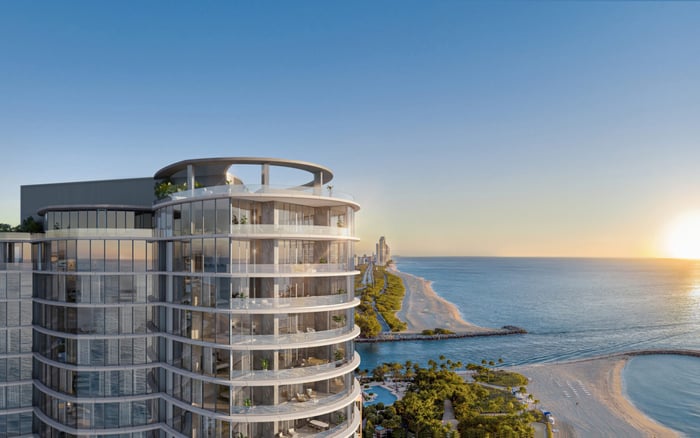
A discreet buyer’s guide to using portfolio leverage for luxury real estate, with a focus on discipline, liquidity, collateral risk, and Bal Harbour acquisition strategy.
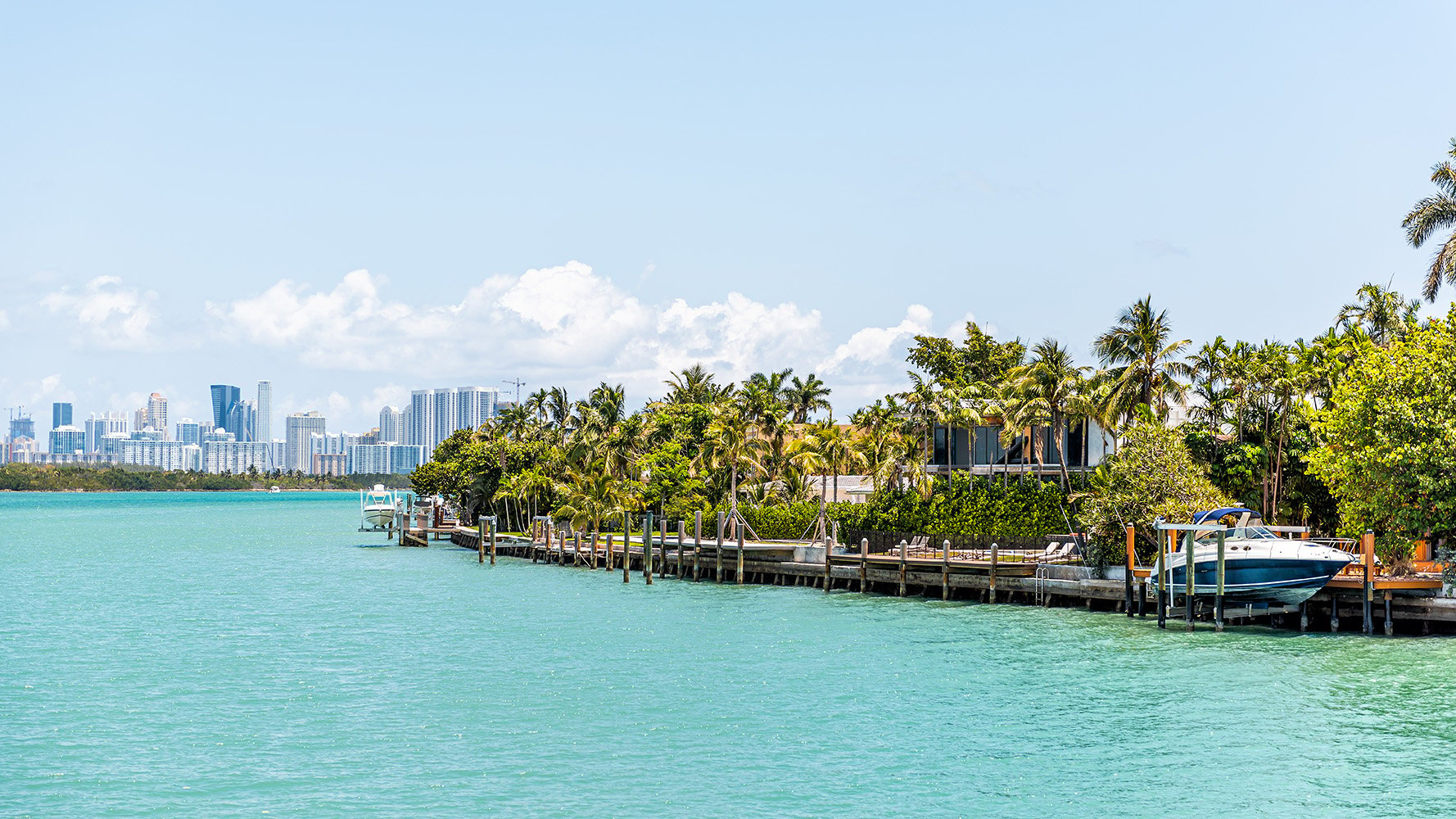
For a certain global buyer, the path to a Bal Harbour residence does not begin with a conventional mortgage conversation. It begins with a balance sheet. Securities, cash reserves, concentrated holdings, private banking relationships, and cross-border liquidity all shape how an acquisition is structured. Portfolio leverage, often discussed in Zurich-style private banking circles as Lombard lending or securities-backed credit, can be part of that conversation when used with care.
The appeal is clear: a buyer may want to acquire a residence without immediately selling long-held investments. That can preserve market exposure, avoid rushed liquidation decisions, and keep capital flexible for furnishings, family office needs, or future acquisitions. Yet leverage against a portfolio is not a lifestyle accessory. It is a financial instrument with moving parts, and those parts should be stress-tested before a deposit is placed.
In Bal Harbour, where privacy, waterfront setting, and architectural quality carry real weight, the strongest buyers are not simply asking what they can buy. They are asking how the purchase should sit within a broader wealth plan.
Portfolio leverage generally means borrowing against eligible financial assets rather than relying only on the real estate itself as collateral. The lender evaluates the quality, liquidity, and volatility of the pledged portfolio, then extends credit under agreed terms. If collateral values decline, the borrower may be asked to reduce the loan, pledge additional assets, or take other action.
That is the essential tradeoff. The buyer may gain speed and flexibility, but the credit line remains tied to market behavior. A cash buyer faces opportunity cost. A portfolio-leveraged buyer faces collateral management. Neither approach is automatically superior.
For an investment-minded second-home buyer, the question is not whether leverage is sophisticated. The question is whether it is suitable. Suitability depends on concentration, liquidity, currency exposure, family governance, time horizon, and tolerance for difficult calls during volatile markets.
Bal Harbour is not just another coastal purchase. Buyers here often value discretion, building pedigree, service culture, and proximity to the ocean and luxury retail. The residence may be used seasonally, held for family, or positioned as part of a multi-jurisdictional lifestyle. That makes structure especially important.
A buyer considering Rivage Bal Harbour, for example, is not merely comparing floor plans. The decision may include deposit timing, expected closing obligations, liquidity buffers, and whether funds should arrive through cash, traditional financing, or a portfolio-backed facility. The same buyer may also evaluate an established address such as Oceana Bal Harbour through a different lens: immediate usability, resale depth, association obligations, and the comfort of owning in a completed setting.
This is where disciplined planning adds value. A beautiful residence can become financially awkward if the purchase structure is too narrow, too aggressive, or too dependent on perfect market conditions.
The principal appeal of portfolio leverage is liquidity preservation. Rather than selling securities to fund an acquisition, the buyer may borrow against them and keep the investment portfolio intact. In calm markets, that can feel elegant. In volatile markets, it can feel exposed.
The hidden cost is not only the interest rate. It is the possibility that the pledged portfolio changes in value while the buyer is also navigating construction payments, closing costs, insurance, furnishing, or other commitments. A buyer who appears liquid on paper may become constrained if too much of that liquidity is pledged, restricted, or psychologically unavailable.
Prudent buyers often separate acquisition capital from resilience capital. The first closes the residence. The second protects the family from having to make poor decisions under pressure. Waterfront ownership can be deeply rewarding, but it should not depend on a fragile capital stack.
Private clients are sometimes shown borrowing capacity as if it were a target. It is not. Capacity is an upper boundary, not a recommendation. The more relevant questions are quieter: What happens if markets decline? What assets are pledged? Are holdings diversified enough? How quickly can collateral be adjusted? Does the line mature before the family’s expected hold period changes?
Concentration risk deserves particular care. A portfolio dominated by a narrow set of positions may receive different treatment from a more diversified pool. Currency matters as well. A buyer with assets, income, and obligations in different currencies should understand how exchange-rate movements can affect comfort, even when the real estate purchase is denominated in dollars.
This is especially relevant around oceanfront assets, where the emotional pull can be strong. Penthouses, large terraces, and direct water views can make speed feel important. But speed should not replace review.
Portfolio leverage can feel particularly useful in a pre-construction context because obligations may arrive in stages. Staged payments, however, require calendar discipline. A buyer should know whether the credit line is intended to cover only the initial commitment, the full acquisition, or a bridge until other liquidity becomes available.
In resale, the timeline is often more compressed. The benefit may be certainty of funds and the ability to move without selling assets first. The risk is treating speed as a substitute for underwriting.
Nearby luxury markets can also inform the decision. A Surfside buyer comparing Fendi Château Residences Surfside with The Surf Club Four Seasons Surfside may be weighing privacy, service, building character, and hold period. Those lifestyle variables should be paired with financing variables: liquidity cushion, maintenance obligations, and exit flexibility.
A portfolio-backed acquisition is rarely a one-advisor decision. The buyer’s banker, legal counsel, tax advisor, real estate advisor, and family office team should understand the sequence before documents are signed. The point is not to slow the purchase. The point is to prevent surprises.
Key questions should be resolved in advance: who controls the pledged assets, how notices are delivered, what happens during market disruption, whether proceeds can be used for real estate, and how the line interacts with other borrowing. A buyer should also understand whether a real estate lender, if involved, has any restrictions that conflict with portfolio lending.
The most elegant structure is often the one nobody notices. Funds arrive on time, the purchase closes cleanly, and the portfolio remains managed within a defined risk framework.
Before using portfolio leverage for Bal Harbour luxury real estate, buyers should define the purpose of the borrowing. Is it bridge capital, permanent leverage, tax-sensitive liquidity management, or simply convenience? Each purpose suggests a different risk tolerance.
Next, buyers should set a personal ceiling below the theoretical loan maximum. That ceiling should account for market volatility, currency movement, lifestyle spending, and future property expenses. They should also decide in advance which assets could be sold or added if collateral requirements change.
Finally, buyers should keep emotion in its proper place. A residence may be personal, but the financing should be clinical. The strongest acquisitions combine desire with discipline.
What is portfolio leverage in a luxury real estate purchase? It is borrowing against eligible financial assets to help fund a purchase while keeping those assets invested.
Is portfolio leverage the same as a mortgage? No. A mortgage is generally secured by the property, while portfolio leverage is tied to pledged financial assets.
Why would a Zurich-based buyer use this structure for Bal Harbour? It may preserve liquidity and avoid selling investments quickly, but it requires careful risk management.
What is the main risk? If pledged assets fall in value, the lender may require more collateral, repayment, or portfolio changes.
Can portfolio leverage help with a pre-construction purchase? It can, especially when deposits are staged, but buyers should match credit terms to payment timing.
Should buyers borrow the maximum offered? Usually, the wiser approach is to stay below the maximum and preserve a meaningful liquidity buffer.
Does currency exposure matter? Yes. Buyers with assets or income outside the dollar should review how currency movement affects comfort.
Who should review the structure? Banking, legal, tax, and real estate advisors should coordinate before contract deadlines become urgent.
Is portfolio leverage appropriate for every buyer? No. It depends on liquidity, portfolio composition, risk tolerance, and the intended hold period.
What is the best first step? Clarify the acquisition budget, liquidity reserve, and collateral strategy before touring seriously.
For a discreet conversation and a curated building-by-building shortlist, connect with MILLION.
If branded residences are on your mind — as a home or as an allocation — we would be glad to share what we are seeing, privately.
Begin a quiet conversation