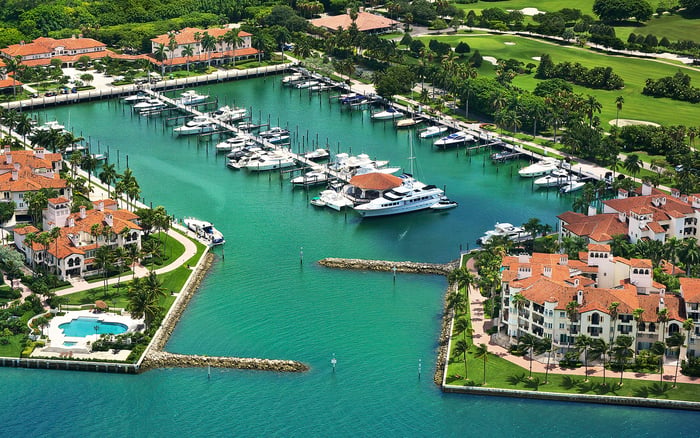
A buyer-focused guide to choosing a South Florida yacht base by weighing open-water access, marina infrastructure, weather exposure, service convenience, and lifestyle alignment across Miami Beach, Sunny Isles, and Fort Lauderdale.
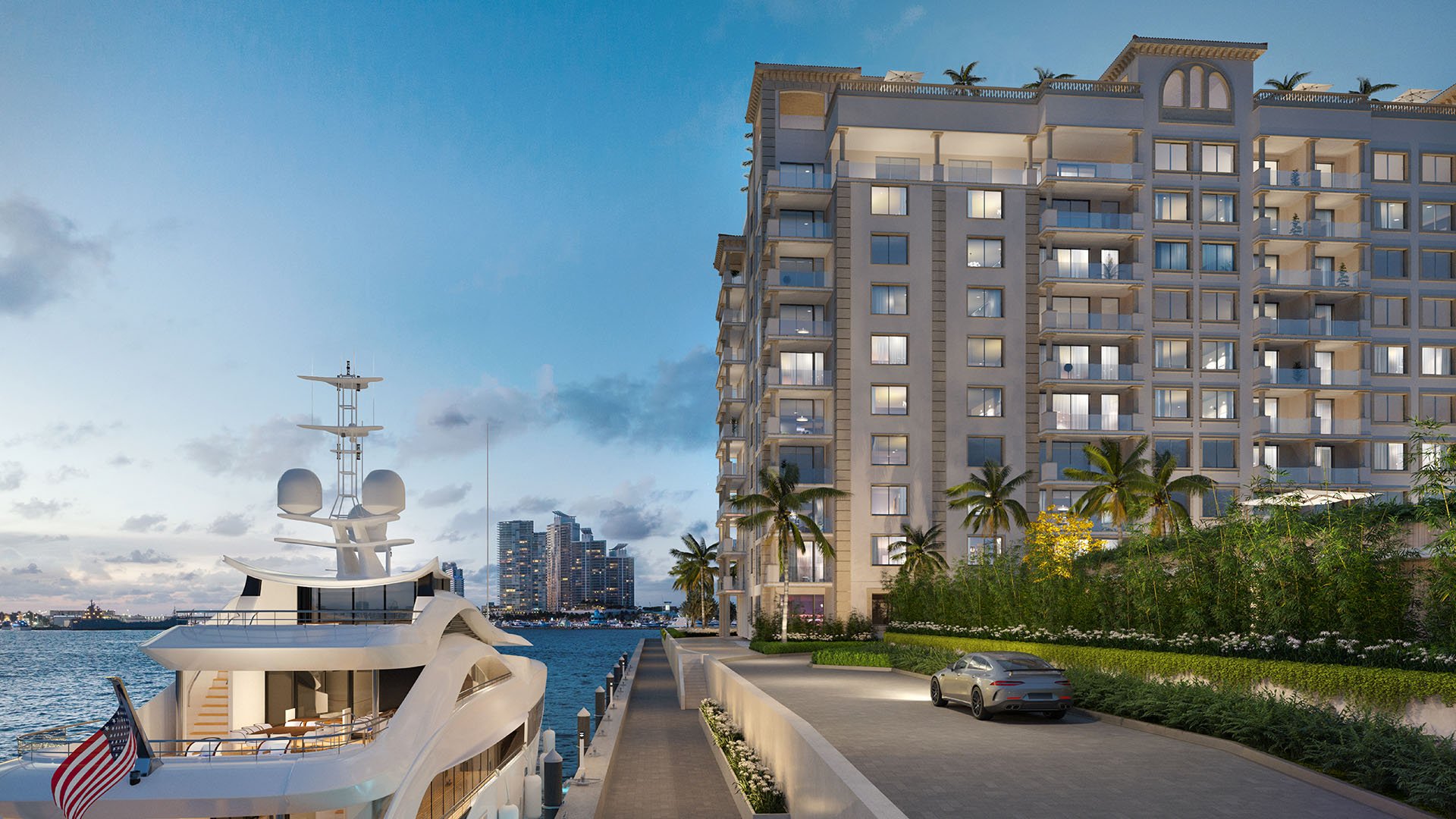
For affluent buyers, choosing a yacht base in South Florida is rarely about postcard appeal alone. The more consequential question is how the vessel will actually be used week to week: short leisure departures, regular entertaining, seasonal berthing, or year-round ownership with frequent service needs. Viewed through that lens, Miami Beach, Sunny Isles, and Fort Lauderdale offer three distinct boating propositions.
Miami Beach is the most lifestyle-driven of the three. Its position on Biscayne Bay allows relatively quick access to the Atlantic, making it especially appealing to owners who value spontaneous departures and close alignment with the city’s social rhythm. Sunny Isles occupies the middle ground, pairing a city marina with a more measured north Miami-Dade setting. Fort Lauderdale, by contrast, is the most operationally developed. Its extensive waterways network and marine infrastructure make it the strongest fit for owners who approach berthing, maintenance, fueling, and provisioning as part of a long-term ownership system.
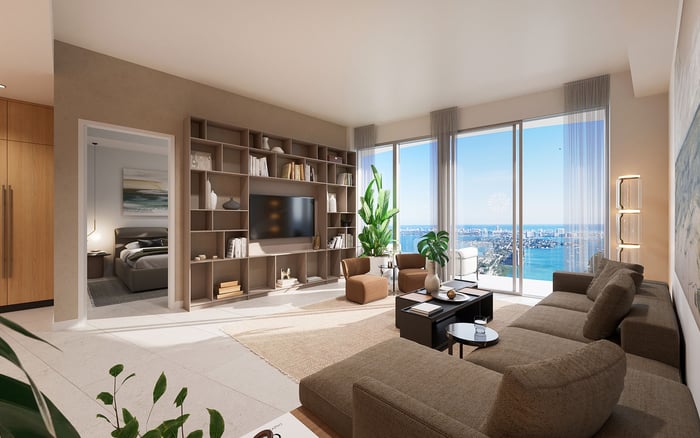
For buyers comparing homes as carefully as slips, that distinction matters. A residence such as The Ritz-Carlton Residences® Miami Beach reflects the appeal of a Miami Beach lifestyle base, where the yacht is part of a broader pattern of dining, design, and waterfront living rather than simply a technical asset.
Miami Beach is best understood as a convenience market for owners who prioritize quick recreational use and luxury access on land. Its Biscayne Bay setting favors short runs from dock to open water, a meaningful advantage for households that use a yacht often but not necessarily for extended inland cruising. If the vessel is intended for sunset departures, weekend entertaining, or same-day escapes, Miami Beach is a natural fit.
That said, the same open setting that gives Miami Beach its glamour also brings greater exposure. Owners should plan around bay conditions, ocean weather, and operating considerations that become more relevant in shallow-water environments or for larger yachts. This is not the market to choose if sheltered inland holding during rough conditions is the first priority.
The residential proposition remains compelling. Properties like 57 Ocean Miami Beach and The Perigon Miami Beach align naturally with buyers who see boating as an extension of a Miami Beach lifestyle: elegant, immediate, and socially connected. That combination is difficult to replicate elsewhere, even if it requires more attention to weather windows and operating discipline.
Sunny Isles offers something rarer in this comparison: compromise without feeling compromised. The city operates its own marina, giving the area a more formal boating base than many nearby residential waterfront enclaves. For yacht owners who want proximity to Miami without the full intensity of Miami Beach, Sunny Isles can feel notably more measured.
Operationally, it is a smaller-scale marina market than Fort Lauderdale. That can translate into a less crowded experience and a cleaner local rhythm, but it also means fewer nearby marine-service options and a less developed yachting ecosystem overall. Owners with lighter usage patterns may find that acceptable, even desirable. Those with larger vessels, dedicated crew, or regular maintenance cycles may ultimately prefer a market with denser support infrastructure.
From a residential standpoint, Sunny Isles continues to resonate with buyers who want waterfront prestige and a practical launch point in north Miami-Dade. Developments such as Bentley Residences Sunny Isles and St. Regis® Residences Sunny Isles suit owners who want boating access integrated into a refined, vertical residential environment rather than a more industrial marine setting.
If Miami Beach is the lifestyle choice, Fort Lauderdale is the operational choice. The city’s waterways are built around an extensive Intracoastal, river, and canal network, creating a more protected inland transit environment than open-bay dockage. For owners who berth for extended periods, move through the waterway system routinely, or depend on easy access to service providers, that practical difference is substantial.
Fort Lauderdale is also the strongest fit for yachts that require regular service, repair, fueling, and provisioning. Its marine ecosystem is more established than the other two markets in this comparison, and that maturity becomes more important as vessel size, crew requirements, and maintenance complexity increase. In short, it is easier to run yacht ownership as a system here.
There are trade-offs. Inland routes can involve speed, navigational, and operational constraints, particularly in narrower residential and canal settings. Owners who prize straight-line spontaneity may prefer Miami Beach. But those who think like long-term operators often reach the opposite conclusion: a protected, service-rich base can save time, reduce friction, and add confidence.
That logic aligns well with the city’s emerging luxury residential profile. St. Regis® Residences Bahia Mar Fort Lauderdale and Andare Residences Fort Lauderdale suit buyers drawn to Fort Lauderdale for its combination of refined waterfront living and genuine marine functionality.
Every yacht owner in South Florida operates within the same broad navigation and safety framework, but the lived experience changes by waterway. In Miami Beach, environmental and boating rules can materially affect how larger yachts move through the bay environment, especially where shallow-water conditions shape route planning. That means captains and owners should think in terms of operating windows, not simply destinations.
In Fort Lauderdale, the issue is different. The water is often more protected, but inland channels demand attentiveness to speed restrictions, channel etiquette, and maneuvering discipline. What looks calm on the surface can still require more deliberate navigation than an owner may expect. Sunny Isles tends to sit between those two realities: less infrastructural depth than Fort Lauderdale, less lifestyle immediacy than Miami Beach, but often a workable blend of both.
For many buyers, this is where the real choice comes into focus. If your boating life is primarily leisure-oriented and closely tied to entertaining, Miami Beach can justify its exposure. If your vessel is used intensively and maintained continuously, marina access and service depth may point you toward Fort Lauderdale. If you want a north Miami-Dade base that feels polished but not overbuilt, Sunny Isles makes a compelling case.
Miami Beach suits the owner who wants to step from residence to yacht with minimal psychological distance. The boating pattern is recreational, stylish, and closely tied to the city’s luxury ecosystem. It is ideal for the second-home buyer, the frequent entertainer, or the owner who values quick departures more than inland shelter.
Sunny Isles suits the buyer seeking equilibrium. It offers a formal marina presence, a newer-feeling residential context, and easier access to both Miami-oriented and Broward-oriented patterns of movement. For households that want boating to matter without becoming all-consuming, it is the clearest middle-ground option.
Fort Lauderdale suits the owner who views the yacht as a serious operating asset. That includes permanent berthing, recurring technical work, crew logistics, and maintenance efficiency. It is the least romanticized answer and often the most practical, especially for larger vessels or more demanding ownership schedules.
There is no universal winner among these three waterways, only a better fit for a given ownership style. Miami Beach delivers immediacy and polish, with greater exposure. Sunny Isles offers a quieter compromise with a legitimate marina base, though less mature infrastructure. Fort Lauderdale remains the most operationally convenient, especially for owners who prioritize service access, sheltered inland transit, and long-term berthing efficiency.
For the most sophisticated buyers, the right question is not where the water looks best from the terrace. It is where the vessel will function best over time, with the fewest compromises between use, maintenance, and residence.
Is Miami Beach the best choice for quick day-yachting? Yes. It is the strongest option for owners who want short runs from dock to open water and easy access to Miami’s luxury lifestyle.
Why do serious yacht owners often choose Fort Lauderdale? Fort Lauderdale offers the most developed service environment, along with protected inland waterways that simplify long-term berthing and maintenance.
Where does Sunny Isles fit in this comparison? Sunny Isles is the middle-ground option, pairing a city marina with a calmer residential setting and moderate boating convenience.
Is Fort Lauderdale more protected in rough weather? Generally, yes. Its river and canal network provides more sheltered berthing than open-bay environments.
Does Miami Beach have more weather exposure than the other two? Yes. Owners there need to account more directly for bay conditions and ocean weather patterns.
Are there more local marine-service options in Sunny Isles or Fort Lauderdale? Fort Lauderdale. Sunny Isles has a formal marina base, but its marine-service ecosystem is less extensive.
Do all three areas follow the same boating rules? Broadly, yes. Shared navigation and safety requirements apply across South Florida, though local operating conditions differ.
Is Fort Lauderdale harder to navigate because of inland channels? It can be more technical. Narrower residential and canal routes often require closer attention to speed and maneuvering restrictions.
Who should prioritize Sunny Isles over Miami Beach? Buyers wanting a less crowded north Miami-Dade base with boating access, but without the full pace and exposure of Miami Beach.
Should a residence choice follow the yacht, or the other way around? For most high-value ownership decisions, the smartest approach is to align the residence with how the yacht will actually be used and serviced.
For a tailored shortlist and next-step guidance, connect with MILLION Luxury.
If branded residences are on your mind — as a home or as an allocation — we would be glad to share what we are seeing, privately.
Begin a quiet conversation