Palm Beach and West Palm Beach should be compared through the buyer’s actual itinerary: the yacht’s berth, the private aviation terminal, the driver’s daily circuit, and the demands of a winter calendar.
The distinction between Palm Beach and West Palm Beach becomes most useful when a buyer stops comparing names and starts comparing days. Where does the yacht actually berth? Which private aviation terminal does the household use? Does the driver spend the afternoon on the island, or circulate between mainland appointments before an evening return?
For an ultra-premium residence, these questions reveal how comfortably a property supports a particular life. An island address may suit a household whose recurring commitments are island-based. A mainland residence deserves consideration when the calendar is divided among boating, flights, and mainland destinations. Neither offers a universal travel-time advantage.
Evaluate the residence, berth, and aviation terminal as three separate decisions. Their relationship matters more than a broad promise of convenience. Begin with a representative week, including ordinary errands and guest arrivals, then assess each candidate address against that schedule.
Palm Beach Yacht Club’s marina is at 800 North Flagler Drive in West Palm Beach, not on Palm Beach island. It sits on the Intracoastal Waterway just north of the Flagler Memorial Bridge. The distinction is fundamental: a Palm Beach name does not necessarily indicate an island location.
The water route to the marina runs approximately four nautical miles south from Lake Worth Inlet. That is a distance, not a promised cruising time. Before treating it as an effortless departure, buyers should review vessel requirements and the actual passage with their captain.
Rybovich marinas are located in both West Palm Beach and Riviera Beach, underscoring the mainland’s role in the area’s marine infrastructure. Those locations warrant considering a split-location strategy: choose the residence for the household and the berth for the yacht. They do not establish slip availability, membership eligibility, or access rights.
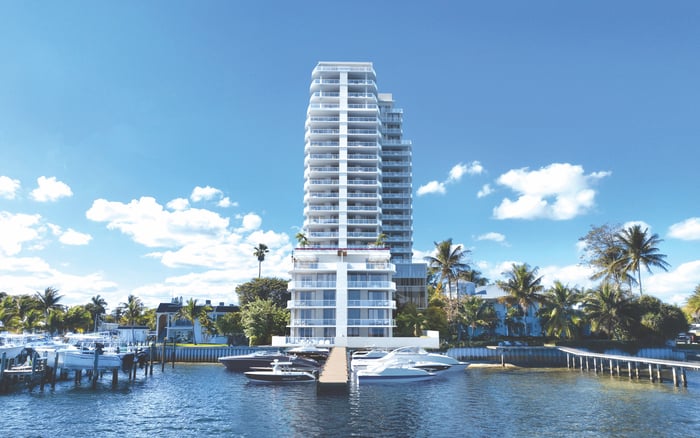
For a buyer considering Alba West Palm Beach, the practical exercise is to map the residence against a confirmed berth, rather than equate a waterfront search with a boating solution. Confirm vessel length and draft limits, bridge clearances and opening schedules, fuel, service access, and the route to the inlet. Resolve berth suitability independently of the residential purchase.
An airport name is too broad a destination for a meaningful ground-time assessment. Compare each residence with the actual fixed-base operator, or FBO, the household intends to use. The relevant trip ends at the designated arrival or departure entrance, not a generic airport map pin.
Test that journey on weekday mornings, Friday afternoons, and winter event evenings. Record both directions. A departure-day test should include the intended pickup arrangement and a realistic allowance for luggage and passengers. An arrival-day test should follow the route the driver would actually take home.
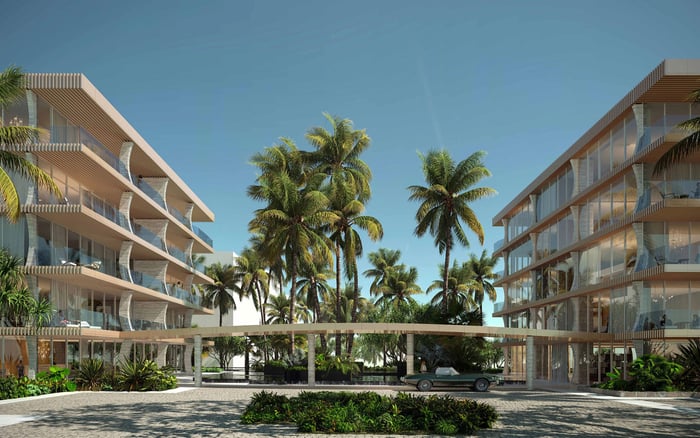
A mainland candidate such as Mr. C Residences West Palm Beach belongs in the same comparison, without assuming that a municipal boundary settles the result. Apply identical testing conditions to island alternatives.
There is no established basis here for claiming that either municipality always delivers faster private aviation transfers. The useful distinction is between a route that performs acceptably for the buyer’s flight pattern and one that demands more contingency time than the household wants. Frequency matters, too: a recurring flight schedule deserves a different weighting from an occasional guest arrival.
A driver changes the experience of travel, but the household still needs a workable schedule. Evaluate the complete circuit rather than a single outbound journey: morning departure, appointments, errands, guest collection, and evening return. Include the driver’s repositioning between commitments, not just the time passengers spend in the vehicle.
An island-focused household may prefer to organize its residence search around island destinations. A buyer with a mixed mainland itinerary may find a mainland base worth closer examination. These are buyer-specific priorities, not rankings of driver efficiency.
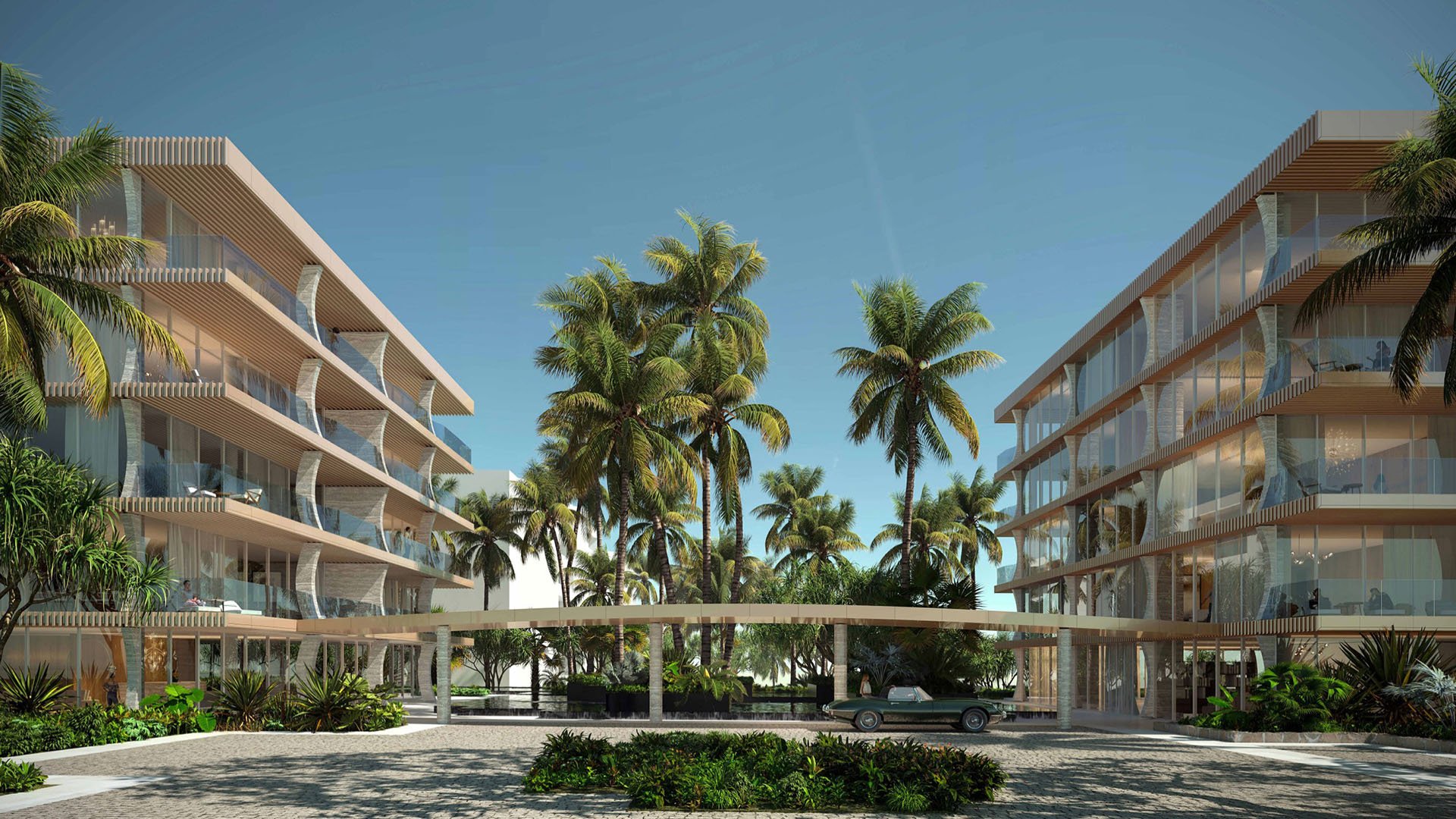
When assessing Forté on Flagler West Palm Beach, ask the same operational questions posed at every candidate residence: Where can the driver wait? How is a pickup coordinated? What happens when guests and luggage arrive together? Treat the answers as property-level diligence, not presumed services.
The most revealing exercise is a full-day rehearsal. A residence that works beautifully for dinner may be less suitable for the household’s morning routine. Conversely, a buyer may willingly accept an occasional longer transfer to keep the rest of the week centered on preferred destinations.
Seasonal planning should be specific without implying statistical certainty. No quantified Palm Beach-versus-West Palm Beach winter travel-time comparison is established here. Vehicle counts at selected intersections and roadways are not measured airport-transfer times or seasonal delay averages.
Temporary restrictions also deserve attention. Dated examples include the March 2026 closure of the Flagler Drive-South Lakeside Court intersection and a September 2026 northbound right-turn-lane closure on South Australian Avenue south of Mercer Avenue and Old Okeechobee Road. These examples do not establish that the restrictions remain active.
Rail-related disruptions belong in the same review. Examples have included full railroad-crossing closures at 15th Street, 49th Street, and Banyan Boulevard. A mainland itinerary therefore requires more than the assumption that avoiding an island crossing removes routing uncertainty.
Before property tours, marina visits, or flight transfers, have the driver check current road-and-dock notices and updated lane-closure information. Identify an alternative route and retest important journeys during the season in which the residence will be used. A quiet-day showing should not become the household’s permanent travel assumption.
A shortlist that includes Shorecrest Flagler Drive West Palm Beach should distinguish residential preference from transport performance. Project identity alone establishes neither berth access nor a predictable airport journey. Keep marina permissions, driver arrangements, and terminal routing as separate review items.
Use a compact decision sheet for each address: the household’s most frequent destinations, the confirmed or proposed berth, the chosen FBO, tested routes, and acceptable scheduling buffers. Weight each by actual use. Frequent yacht departures may make berth logistics decisive; an island-centered social calendar may justify a different balance.
The right choice is not necessarily the address with the shortest single journey. It is the residence whose repeated journeys best fit the household’s priorities, with the fewest unwanted compromises. In this comparison, luxury is the ability to choose those compromises deliberately.
Explore a residence search shaped around your priorities with MILLION.
If branded residences are on your mind — as a home or as an allocation — we would be glad to share what we are seeing, privately.
Begin a quiet conversationNo. The marina is at 800 North Flagler Drive in West Palm Beach, on the Intracoastal Waterway just north of the Flagler Memorial Bridge.
The water route to the marina is approximately four nautical miles south from Lake Worth Inlet. That distance should not be treated as a guaranteed cruising time.
Rybovich marinas are located in West Palm Beach and Riviera Beach. Their locations do not establish current berth availability or access rights.
No berth entitlement is established by the residential projects discussed here. Confirm slip availability, permissions, and vessel suitability separately.
No blanket travel-time advantage is established for either municipality. Compare each candidate residence with the actual FBO under equivalent conditions.
Test weekday mornings, Friday afternoons, and winter event evenings in both directions. Use the intended pickup and terminal entrances.
Rehearse the complete daily circuit, including pickups, appointments, errands, and repositioning. Judge it against the household’s recurring destinations rather than one convenient trip.
No. Vehicle counts at selected intersections and roadways do not establish airport-transfer times or seasonal delay averages.
No. They illustrate temporary disruptions, so current road-and-dock notices and lane-closure information should be checked before travel.
A split-location strategy is worth evaluating when the household and yacht have different requirements. Confirm the berth independently and test the residence-to-marina journey.