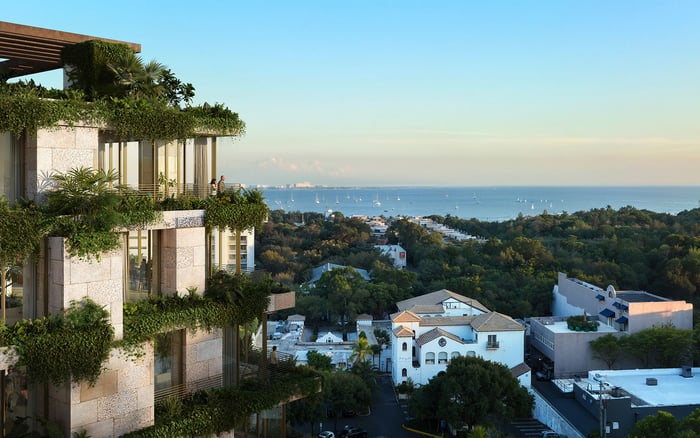
Near Biscayne Bay, elevation, seawalls, drainage, insurance and access can matter as much as the view. A disciplined review separates visual appeal from parcel-specific and shared-property risk.
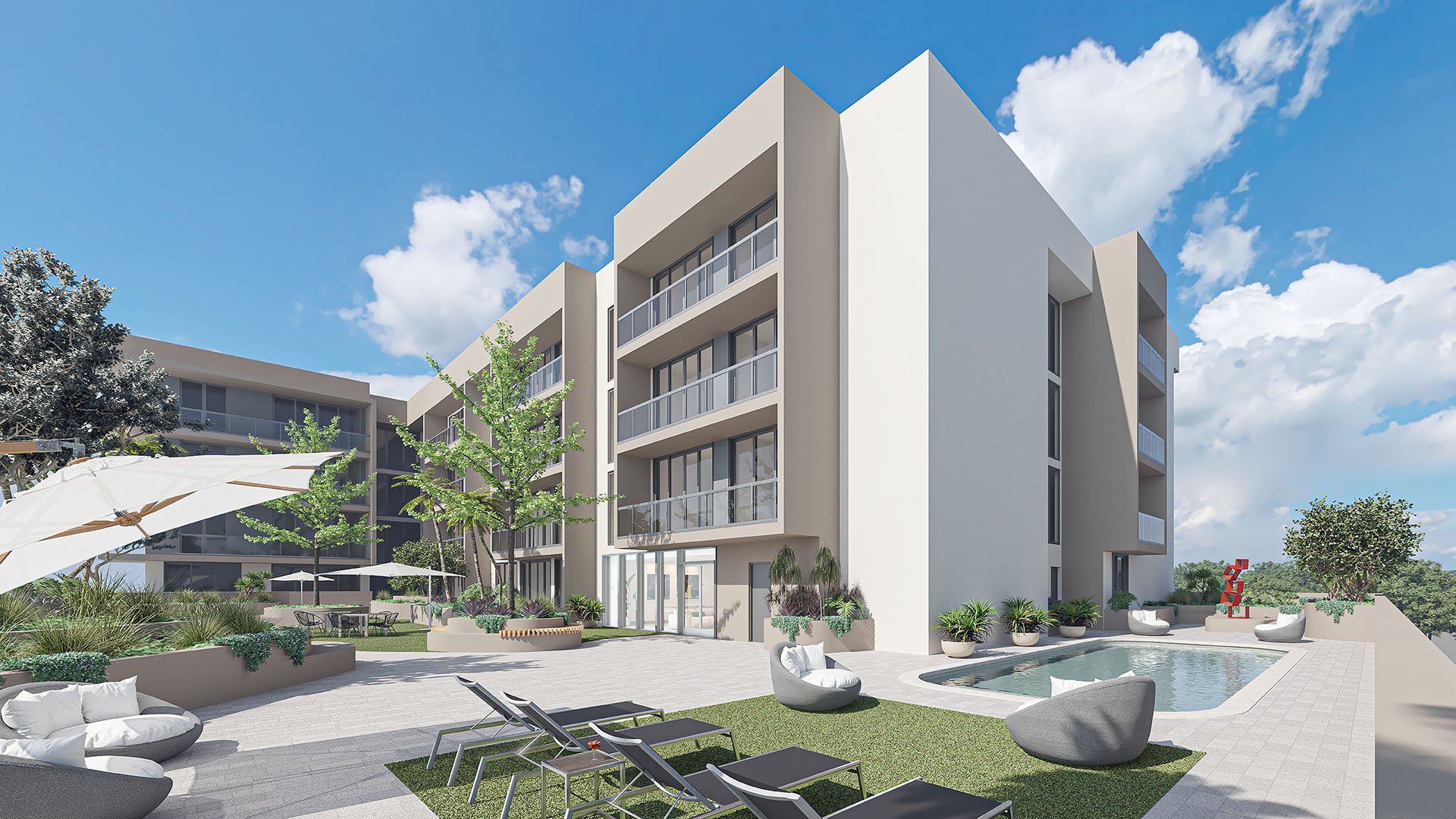
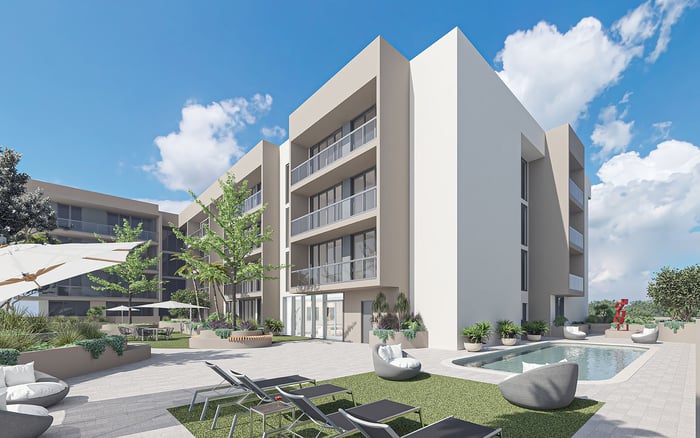
Buyers considering Arbor Coconut Grove should distinguish among a water view, proximity to the shoreline and legal responsibility for marine infrastructure. Those situations can create different ownership, maintenance and diligence questions.
A property's appearance cannot establish its elevation, drainage performance, insurance terms or exposure during severe weather. The review should therefore focus on documents and property-specific professional findings rather than assumptions based on the neighborhood or view.
For a waterfront residence, determine who owns and maintains any seawall, dock or shoreline improvement. If those features are part of the property, engage an appropriately qualified marine or structural professional to assess their condition and identify matters that may require further review.
A current survey, title materials, permits and property disclosures can help clarify boundaries, improvements and recorded obligations. Buyers should also confirm that any dock or shoreline feature relevant to the purchase has been evaluated through the appropriate legal, permitting and inspection channels.
Condominium buyers face a different question: whether an association has responsibility for shoreline elements, drainage, access or other shared systems. Buyers comparing Four Seasons Residences Coconut Grove should examine the records for the specific property rather than infer resilience from design, amenities or branding.
Flood designations are only one part of diligence. Buyers should request the available elevation and flood documentation, identify the levels used for parking and storage, and investigate how water is managed around the building or parcel.
Access deserves separate attention. Even when a residence appears favorably positioned, buyers should ask how surrounding streets, entrances and lower common areas have been evaluated for heavy rain and storm conditions.
Any current or proposed flood information should be reviewed with qualified insurance, inspection and legal professionals as appropriate. The goal is to understand what applies to the specific property without relying on generalized claims about Coconut Grove.
Insurance should be investigated early enough for the buyer to evaluate availability, deductibles, exclusions, limits and expected carrying costs. Quotes should reflect the exact residence, intended occupancy and available property documentation.
Buyers should ask insurance professionals to explain how separate forms of coverage may respond to flood, wind and other property risks. A cash purchase does not eliminate the need to understand potential exposure, future insurability or the effect of coverage costs on ownership.
A condominium review should include the declaration, current budget, reserve information, engineering materials, insurance summaries, board minutes and disclosed assessments. The review can be used to identify references to drainage, waterproofing, lower-level areas, emergency systems, access and any shoreline-related responsibility.
The same document-led approach applies when evaluating Vita at Grove Isle. Each property should be assessed according to its own physical conditions, governing documents and available professional reports.
Start by identifying which documents and inspections are available for the specific residence. Coordinate survey, elevation, flood, title, permit, drainage and insurance review, adding dedicated marine or structural expertise if a seawall or dock is relevant.
For a condominium, examine association records in parallel and seek clarification where responsibilities or anticipated costs are unclear. The objective is to understand condition, ownership, coverage and potential expense before the diligence period ends.
Does a water view mean a residence carries seawall responsibility? No. Responsibility should be confirmed through the survey, title materials, governing documents and property disclosures.
How should buyers evaluate Arbor Coconut Grove's relationship to the water? Buyers should use project documents, surveys and disclosures to distinguish views and proximity from direct shoreline ownership or shared obligations.
Is a standard residential inspection sufficient for a seawall or dock? Buyers should obtain a dedicated review from an appropriately qualified marine or structural professional when either feature is relevant.
Which survey details matter near the shoreline? Buyers should ask the appropriate professionals to identify boundaries, shoreline structures, dock areas and other features relevant to ownership or use.
Why is elevation documentation important? It provides property-specific information that can inform flood, drainage and insurance review.
Should buyers rely only on a flood-zone label? No. They should also investigate elevation, lower building levels, site drainage, access and insurance terms for the specific property.
When should insurance quotes be requested? Request them early enough to evaluate coverage, exclusions, deductibles and carrying costs before the diligence period closes.
Should cash buyers review flood and wind coverage? Yes. The absence of lender requirements does not remove the need to evaluate property exposure and coverage options.
Which condominium records deserve close attention? Review governing documents, budgets, reserves, engineering materials, insurance information, board minutes and disclosed assessments.
What is a practical order for waterfront diligence? Identify ownership and documents first, complete relevant inspections and legal review, and then evaluate property-specific insurance terms and unresolved costs.
If you'd like a private walkthrough and a curated shortlist, connect with MILLION.
If branded residences are on your mind — as a home or as an allocation — we would be glad to share what we are seeing, privately.
Begin a quiet conversation