For Manhattan buyers entering North Bay Village, the insurance review shifts from viewing the residence as a single asset to examining separate layers: the condominium association’s property program, the owner’s unit policy and potential assessment exposure, separate flood protection, and personal excess liability. The key diligence materials include master-policy declarations, replacement-cost documentation, deductibles, flood coverage, reserve information, assessment history, and details about the owner’s intended use and ownership structure.
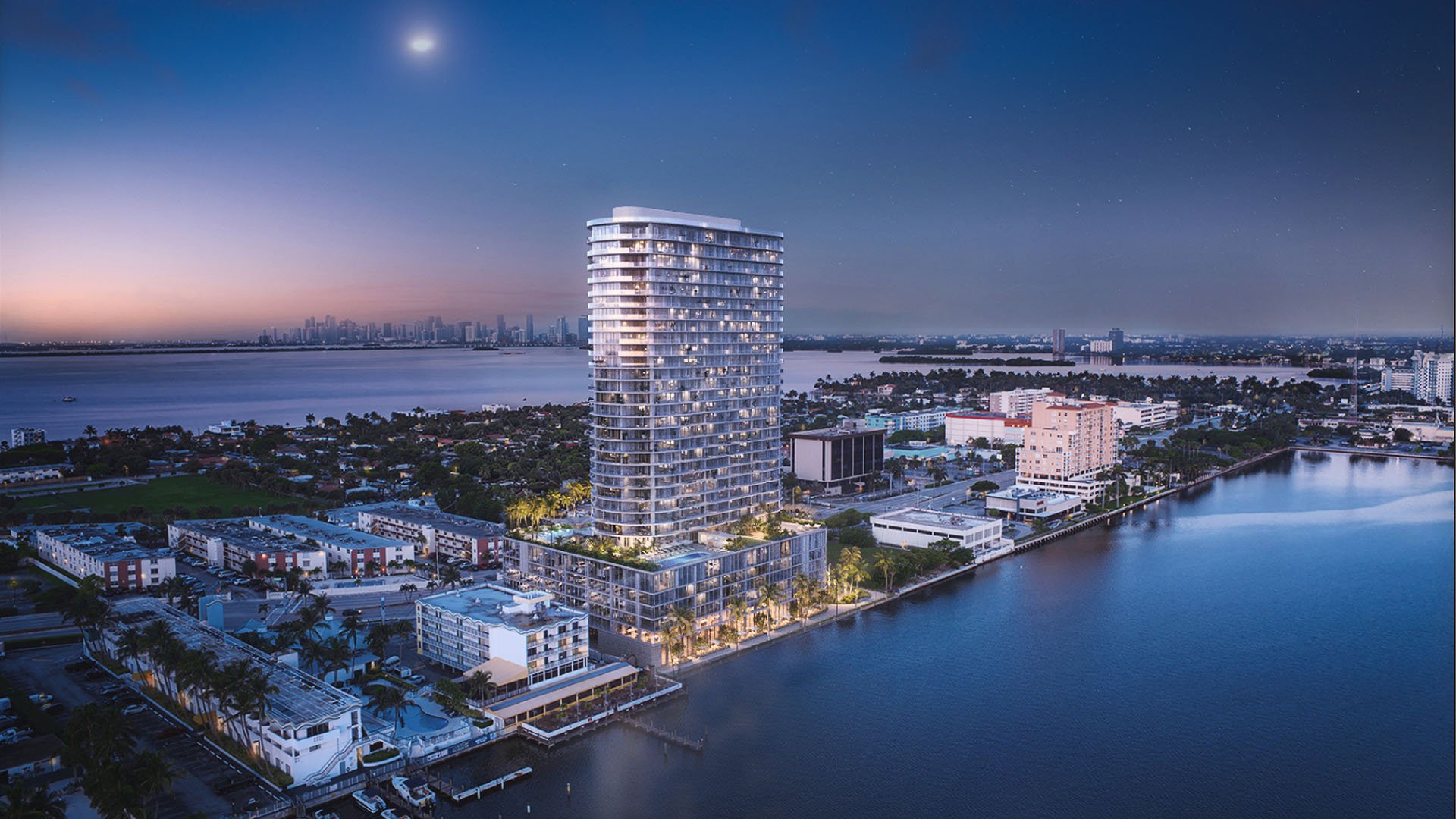
For a Manhattan buyer, a North Bay Village condominium may feel familiar in legal form but different in insurance structure. The residence sits within a shared building, while important risks may be divided among the association’s master policy, the owner’s unit policy, separate flood protection, loss-assessment coverage, and personal excess liability.
The practical change is one of emphasis. Purchase price, interior value, and market position do not establish whether the building’s insurance program suits the property. A strong personal policy also cannot automatically correct a weakness at the association level. Each layer should be reviewed on its own terms and then checked for gaps between policies.
Waterfront and second-home ownership can add questions about storm exposure, vacancy, guest use, household staff, and rental activity. A careful North Bay Village review should therefore begin with the governing documents, policy declarations, endorsements, and a clear account of how the owner expects to use the residence.
The central question is not simply how much insurance exists, but which layer responds.
A condominium’s market price and its insured replacement value answer different questions. Market value may reflect location, views, finishes, scarcity, and lifestyle. Replacement-cost documentation instead concerns the expense associated with repairing or reconstructing insured property after a covered event.
A buyer should request the association’s current replacement-cost documentation, master-policy declarations, property limits, and applicable deductibles. The review should also determine whether the association’s stated values and policy terms correspond with the current building and the scope of property the association is responsible for insuring.
Policy boundaries matter as much as headline limits. Before selecting coverage for the residence, the buyer’s advisers should clarify which building elements belong to the association’s insurance responsibility and which interiors, improvements, alterations, furnishings, and personal property remain with the owner. The answer may affect both the amount and form of unit-owner coverage considered before closing.
That discipline applies whether the buyer is considering Continuum Club & Residences North Bay Village, Shoma Bay North Bay Village, or another condominium. A project name cannot replace a review of the documents and policies governing the specific residence.
Loss-assessment coverage is designed to address qualifying assessments imposed on a unit owner following a covered event, subject to the policy’s terms, limits, deductibles, and exclusions. It should not be treated as a substitute for the association’s master policy, sound reserves, or a broader financial review of the condominium.
An association assessment may arise for different reasons, and those reasons matter. Insurance coverage may depend on the cause of loss, the association’s policy response, the unit owner’s policy wording, and how costs are allocated under the condominium documents. An assessment does not become insured merely because it is formally levied against owners.
The buyer should ask how association deductibles, uninsured damage, exclusions, and costs above policy limits could be allocated among residences. Reserve information, assessment history, pending work, and governing documents belong in the same diligence file, even though they are not interchangeable with insurance coverage.
A buyer comparing Tula Residences North Bay Village with other options should review actual forms and endorsements rather than relying only on a premium quotation or a general description of coverage. A licensed Florida insurance adviser can help test how the proposed unit policy might respond to different assessment scenarios.
Flood protection should be examined independently from the standard unit-owner property policy. Buyers should request the association’s flood-policy declarations, limits, deductibles, and relevant endorsements, then review how the building’s protection relates to the proposed coverage for the residence and its contents.
The analysis should identify what the association insures, what remains the owner’s responsibility, and whether an uncovered or underinsured flood-related cost could reach owners through an assessment. No single layer should be assumed to cure a deficiency in another without reviewing the applicable policy language.
Because coverage needs depend on the building, unit, improvements, contents, and intended use, the buyer should obtain tailored guidance before closing. The goal is not simply to collect policies but to understand how they interact when the building and residence are affected by the same event.
Personal umbrella coverage extends liability protection above scheduled underlying policies, subject to its own eligibility rules, conditions, and exclusions. For a buyer with significant assets, the central issue is whether the underlying coverage and umbrella accurately describe the residence, its ownership, and everyone who regularly uses it.
Primary occupancy, seasonal use, tenancy, visiting family, guests, household staff, and rental activity can affect the liability review. Ownership through a trust, limited liability company, or another entity may also require coordination. Named insureds, relevant entities, residences, vehicles, watercraft, and required underlying limits should be considered together before the policy structure is finalized.
A residence used only by its owner may present a different profile from one lent to guests or offered for rent. Even buyers looking just beyond North Bay Village, including at Onda Bay Harbor, should align liability coverage with the home’s actual use rather than an idealized description.
A disciplined insurance review belongs alongside legal and financial diligence. The file should include current master-policy declarations, replacement-cost documentation, property and flood deductibles, flood-policy details, reserve information, and records concerning recent or pending assessments. Buyers should also ask how deductibles and uninsured losses may be allocated under the condominium documents.
For the unit policy, the proposed property limit should be compared with the interiors, additions, alterations, furnishings, and contents assigned to the owner. Loss-assessment provisions should be examined by cause of loss, while occupancy, vacancy, rental use, guest access, staff, and ownership structure should be disclosed accurately to the appropriate advisers and insurers.
The enduring principle is separation. The association’s property insurance, the owner’s unit coverage, assessment protection, flood insurance, and umbrella liability each perform a different role. Strength in one category does not necessarily erase weakness in another.
For a Manhattan buyer, readiness in North Bay Village is not measured by collecting policy documents alone. It comes from understanding which policy is expected to respond, what deductible or exclusion may remain, how a qualifying assessment could reach the unit, and whether personal liability protection reflects the home’s actual pattern of use.
For discreet guidance on evaluating South Florida residences and assembling the right professional team, connect with MILLION.
If branded residences are on your mind — as a home or as an allocation — we would be glad to share what we are seeing, privately.
Begin a quiet conversationNo. Market price and insured replacement value address different considerations and should be reviewed separately.
A buyer should request current master-policy declarations, replacement-cost documentation, deductibles, flood-policy details, and relevant endorsements.
They help identify which building elements the association insures and which interiors, improvements, or contents remain the owner’s responsibility.
No. Coverage depends on the cause of the assessment and the terms, limits, deductibles, and exclusions of the owner’s policy.
No. Insurance protection and the association’s reserve position are separate parts of the buyer’s diligence.
Yes. The association’s flood program and the owner’s proposed flood protection should be examined as distinct but interacting layers.
Not necessarily. Buyers should review policy limits, deductibles, coverage boundaries, and the potential allocation of uncovered costs.
Occupancy, guests, rentals, household staff, ownership entities, vehicles, and watercraft can all be relevant to the coverage review.
A trust, limited liability company, or other entity may affect named-insured requirements, eligibility, and coordination among policies.
Buyers should coordinate with licensed Florida insurance and legal advisers familiar with the residence, condominium documents, and intended use.