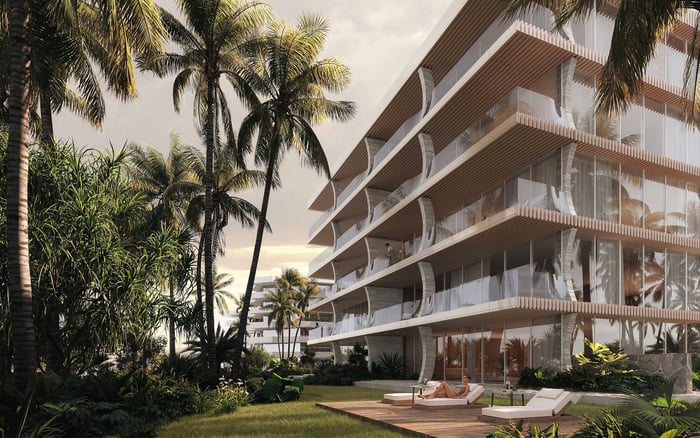
For serious West Palm Beach buyers, insurability, flood-zone context, deductibles, and building governance can shape the ownership experience more profoundly than decorative specifications.
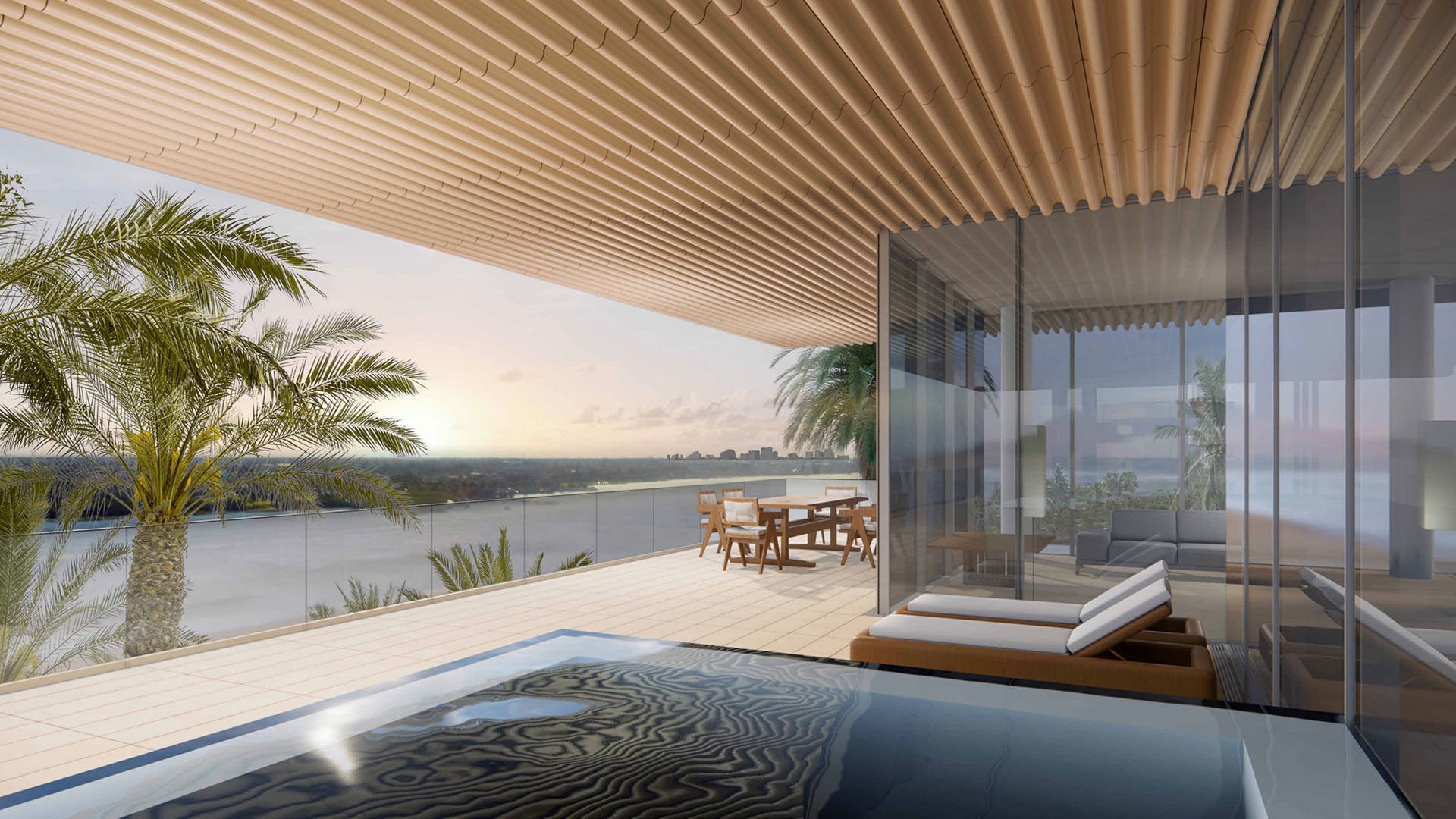
A refined kitchen makes an immediate impression. Insurance structure does not. Yet for a serious West Palm Beach buyer, these less visible details can exert greater influence on annual carrying costs, liquidity planning, financing, and peace of mind.
The question is not whether a residence has beautiful finishes. It is whether the complete ownership profile remains comfortable once wind coverage, flood-zone context, deductibles, exclusions, association responsibilities, and potential out-of-pocket exposure are understood. That distinction matters whether the property is a primary residence, second home, or investment.
The most disciplined approach is to evaluate insurability before allowing design to become decisive. This is particularly important when comparing waterfront opportunities, new-construction offerings, and resale residences, which may present markedly different documentation and coverage structures.
A buyer should seek property-specific insurance guidance early enough to inform negotiations. A general estimate may provide orientation, but it should not replace a quote based on the residence, building, intended use, coverage selections, and buyer profile.
Ask what is covered, what is excluded, which limits apply, whether separate policies may be appropriate, and what documentation remains outstanding. If financing is involved, confirm that the contemplated coverage also satisfies the lender. For an all-cash purchase, apply the same exacting standard rather than treating insurance as optional due diligence.
When considering residences such as Alba West Palm Beach or Forté on Flagler West Palm Beach, the meaningful comparison extends beyond finishes. It encompasses residence-level coverage, building-level insurance, deductibles, exclusions, and expected carrying obligations.
The word deductible can seem deceptively simple. The practical question is how it is calculated-and how much the owner could be responsible for after a covered event.
A policy may treat different causes of loss differently, so buyers should not assume that one deductible governs every scenario. Request a plain-language explanation of each applicable deductible, the value against which any percentage is calculated, and the circumstances that trigger it. Then translate that language into an estimated dollar amount.
This exercise turns an abstract policy term into a liquidity question. A residence can be affordable based on its annual premium while still carrying out-of-pocket exposure that warrants deliberate planning. Sophisticated buyers should determine whether that exposure aligns with their risk tolerance before closing.
A flood-zone designation is one component of a property’s risk profile, not a complete verdict. Buyers should verify the current designation for the specific property and ask how elevation, access, parking, mechanical systems, storage, and common areas factor into the broader flood analysis.
In a condominium, the residence’s elevation is only part of the conversation. The ownership experience may also depend on spaces and systems elsewhere in the building. Review where essential equipment is located, how water entry is addressed, what the association covers, and where the owner’s policy begins.
The same discipline applies when evaluating The Ritz-Carlton Residences® West Palm Beach or Mr. C Residences West Palm Beach. The objective is not to infer risk from branding, age, or appearance, but to obtain documentation and understand how responsibility is allocated.
Condominium buyers acquire a private home within a shared physical and financial structure. Personal coverage therefore cannot be assessed in isolation from the association’s insurance and governing documents.
Request the materials your attorney, insurance adviser, and financial adviser consider relevant. Focus on the boundary between association and owner responsibility, including interior improvements, personal property, temporary living costs, liability, and loss assessments where applicable. Ask whether upgraded finishes would be restored to their full intended standard under the contemplated coverage.
This is where design and insurance converge. Bespoke millwork, stone, lighting, and integrated technology may increase the value a buyer wishes to protect. A visually exceptional interior deserves coverage aligned with its replacement expectations, not a generic assumption that every finish will be treated identically.
The lowest annual premium is not automatically the most suitable choice. Compare limits, deductibles, exclusions, insurer requirements, claim scenarios, and the owner’s capacity to absorb uninsured costs. Consider the association’s position alongside the unit policy, then account for both recurring expenses and contingent exposure in the acquisition model.
A practical decision sheet can place each shortlisted residence in parallel columns: quoted premium, flood-coverage considerations, wind deductible, other deductibles, association obligations, coverage gaps, and unresolved questions. This creates a more consequential comparison than price per square foot or appliance packages alone.
For readers accustomed to buyer’s guides, the essential refinement is to separate aesthetic preference from risk acceptance. One can be changed after closing. The other may be embedded in the property, policy, or association structure.
Whenever contract terms permit, coordinate insurance review with legal, inspection, financing, and condominium-document review. Do not wait until the final stage to discover that pricing, deductibles, documentation, or coverage conditions differ from expectations.
The buyer’s advisory team should work from the same property details and intended use. A residence occupied year-round may be evaluated differently from one used intermittently, rented, renovated, or held through an entity. Disclose any such plans to the appropriate advisers so the proposed coverage can be assessed accurately.
The goal is not to eliminate every uncertainty. It is to identify material exposure, assign responsibility, and make an informed decision. In luxury real estate, that clarity is itself a premium feature.
Why can wind insurance matter more than interior finishes? It can affect carrying costs, available coverage, deductible exposure, and the cash an owner may need after a covered event.
Should a cash buyer still obtain insurance guidance? Yes. The absence of a lender does not eliminate the owner’s exposure to property damage, liability, or temporary displacement.
Is a flood-zone designation enough to judge a property? No. Buyers should also examine the specific residence, common areas, access, systems, coverage, and allocation of responsibility.
What should buyers ask about a wind deductible? Ask how it is calculated, what value it applies to, when it is triggered, and what that represents in estimated dollars.
Does the association’s policy cover everything inside a condominium? Buyers should not assume so. The governing documents and policies should clarify where association coverage ends and owner responsibility begins.
Can upgraded interiors require additional attention? Yes. Buyers should confirm whether contemplated limits and settlement terms align with the expected cost of restoring their finishes.
When should insurance due diligence begin? It should begin early enough for the findings to inform contract decisions, financing, negotiations, and the overall acquisition budget.
Is the lowest premium usually the best choice? Not necessarily. Limits, exclusions, deductibles, conditions, and claims exposure can be more consequential than the premium alone.
What professionals should review the insurance structure? A buyer may benefit from coordinated input from an insurance adviser, attorney, lender, inspector, and financial adviser.
What is the central question for a luxury buyer? Ask whether the property’s complete risk and carrying profile remains attractive once every material coverage term is understood.
For a tailored shortlist and next-step guidance, connect with MILLION.
If branded residences are on your mind — as a home or as an allocation — we would be glad to share what we are seeing, privately.
Begin a quiet conversation