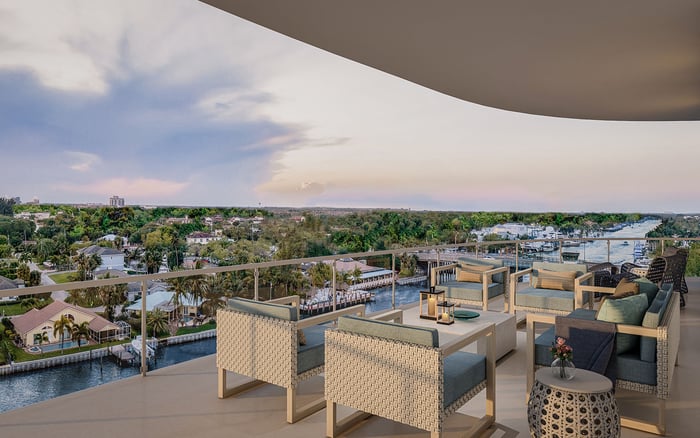
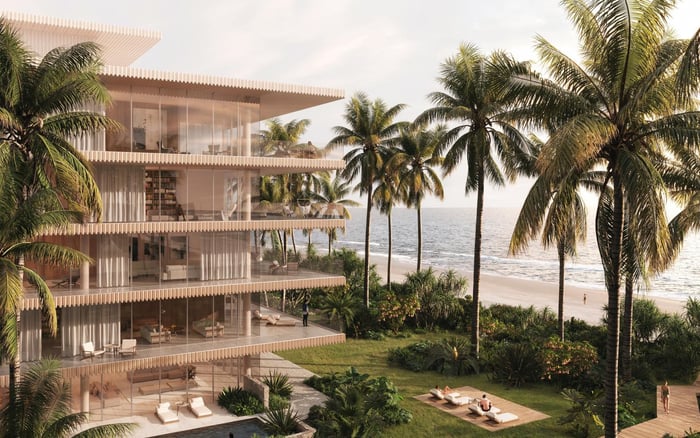
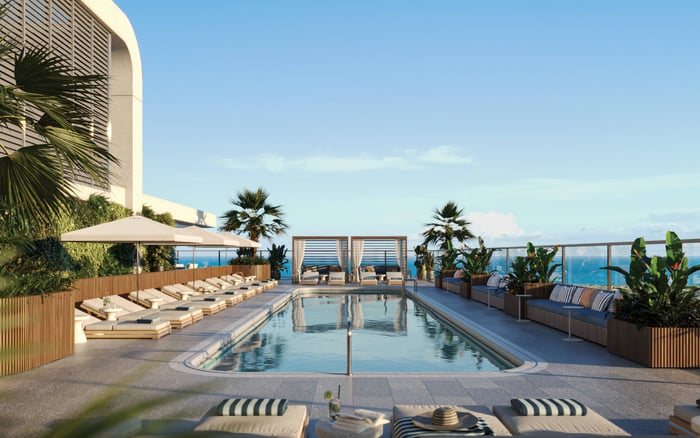
A premium view is an attribute of both the residence and its surroundings. West Palm Beach buyers should review intervening parcels, zoning capacity, pending applications, and planning rules before assigning lasting value to water or skyline exposure.
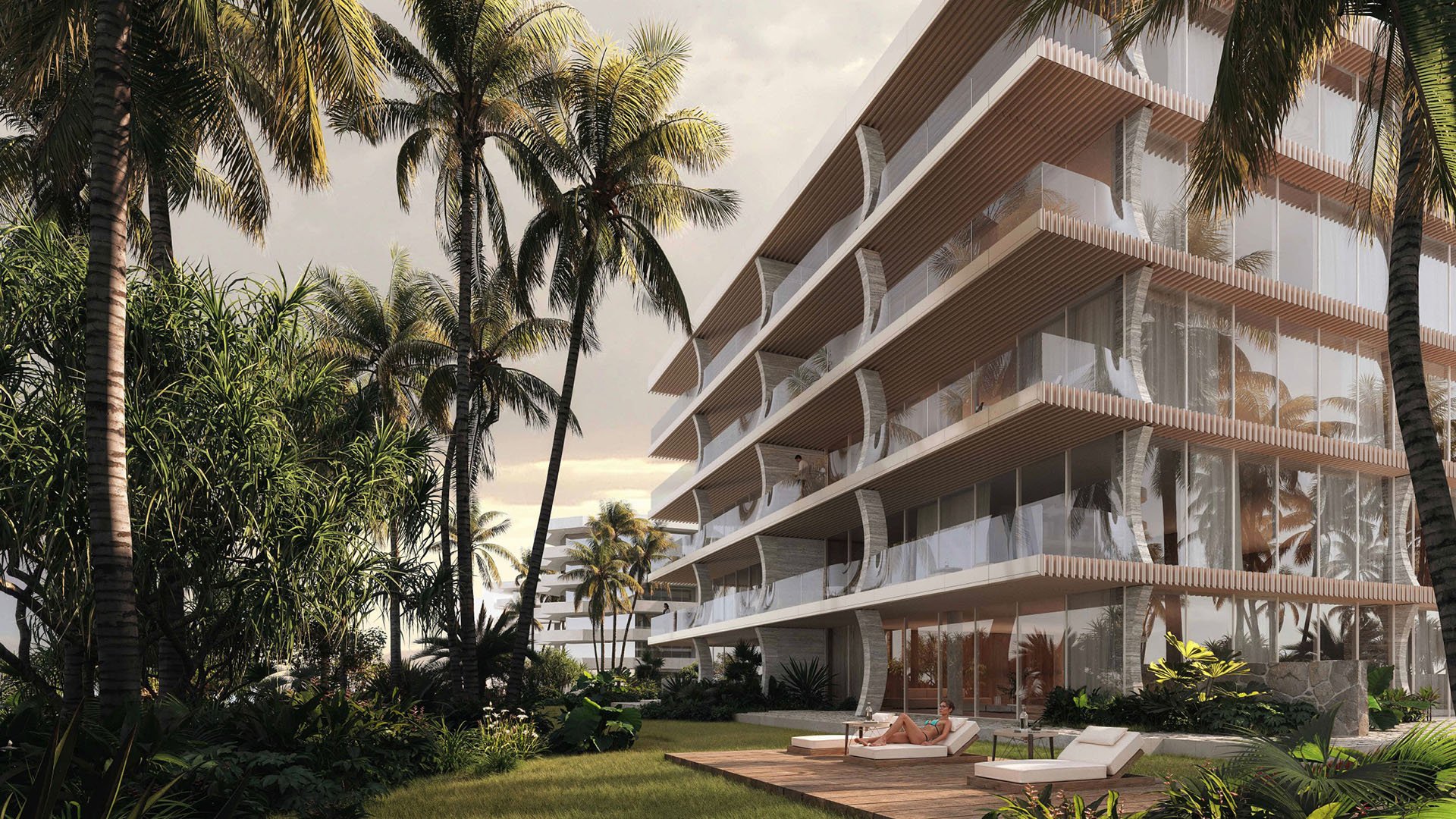
In West Palm Beach, an expansive water or skyline view can define a residence before a buyer considers finishes, amenities, or floor plan. Yet the outlook framed by the glass is not contained within the property. It crosses other parcels, each with its own ownership, development potential, and approval history.
That distinction matters when a premium residence is priced partly for its exposure. Today’s visible condition may be a low-rise building, open area, or generous setback. The more consequential question is what the underlying parcel could support in the future.
The most valuable view is not merely beautiful today; it has been tested against tomorrow’s development capacity.
For buyers comparing Forté on Flagler West Palm Beach with other residences along the corridor, surrounding-parcel review should begin before the emotional hierarchy of views hardens into an offer. This is not an exercise in prediction. It is a disciplined effort to understand which elements of an outlook are most exposed to change.
The first review should follow the sightline rather than stop at the property line. For each important exposure, identify the intervening parcels directly between the residence and the water or skyline. Then widen the frame to include peripheral sites that could affect oblique views, morning light, sunset exposure, or the sense of openness from a terrace.
For each relevant parcel, compare the existing condition with the development envelope that may be available under applicable rules and approvals. A modest building may reveal little about the potential of the land beneath it.
This parcel-by-parcel discipline applies whether considering Alba West Palm Beach or evaluating a resale with a long-held water view. It also distinguishes a scenic observation from an investment conclusion. The buyer is not simply asking what is visible today, but what rights, approvals, or applications may affect that view later.
Development capacity does not produce a single inevitable building. Height is only one variable. Density, setbacks, lot dimensions, orientation, and building form can determine whether a future structure appears broad, slender, close, or offset from a particular sightline.
A careful review therefore models more than a maximum-height wall. It considers plausible envelopes and asks how different forms might affect the precise elevation and orientation under consideration. This is particularly important when comparing high-floor and lower-floor exposures at Shorecrest Flagler Drive West Palm Beach. The residence provides context for the comparison, but only a current review of surrounding parcels and applications can address development risk.
Buyers should also distinguish between the primary view and supporting exposures. A residence with water, skyline, and lateral outlooks may respond differently to future development than one whose premium depends on a single narrow corridor.
Temporary planning measures should not be interpreted as permanent protection for a neighboring parcel or private view. Their scope may be limited, their status may change, and existing rights or earlier applications may be treated differently.
The practical task is to establish what rules apply at the time of review, whether any proposed changes remain pending, and which nearby applications could proceed under existing approvals. Before closing near The Ritz-Carlton Residences® West Palm Beach, buyers should refresh the status of every material parcel and application rather than rely on an earlier snapshot.
A pause can create time for public review, but it does not by itself establish that the surrounding skyline will remain unchanged. Buyers should focus on the exact scope and current effect of any measure rather than its headline description.
A robust file should begin with the target residence’s principal water and skyline exposures, documented by direction and room. It should then identify every relevant parcel and record its jurisdiction, current use, applicable development controls, known approvals, and application status.
The inquiry may encompass rezoning requests, waivers, site plans, planned-development applications, and previously approved entitlements. Jurisdiction also deserves attention because nearby property may be governed by a different public authority or set of development standards.
The file should be refreshed near contract and again before closing because applications and planning standards can change. Land-use counsel or another qualified zoning adviser can interpret how adopted rules, pending measures, and existing approvals interact. A survey or view study may clarify geometry, but it cannot replace an entitlement review.
Within MILLION’s Buyer’s Guides, this subject sits at the intersection of waterfront ownership, pricing, and risk allocation. The objective is not to eliminate every possibility of change. It is to distinguish a view with relatively resilient conditions from one whose premium depends on neighboring land remaining underbuilt.
A durable view premium deserves evidence. Buyers can distinguish outlooks supported by physical separation, limited development capacity, or favorable geometry from those dependent on a single low-rise parcel. They can also consider whether multiple exposures contribute to the residence’s appeal, reducing reliance on one vulnerable corridor.
Contract strategy should reflect the findings. When surrounding conditions are central to value, buyers can ask their advisers which records, representations, and review periods are appropriate. The resulting decision may support the asking premium, justify a more measured valuation, or redirect attention to a residence with a more defensible relationship to its surroundings.
For discreet guidance on evaluating West Palm Beach residences and the durability of a view premium, connect with MILLION.
If branded residences are on your mind — as a home or as an allocation — we would be glad to share what we are seeing, privately.
Begin a quiet conversationA neighboring parcel may have more development potential than its current structure suggests, which could affect light, openness, or views.
Not necessarily. Buyers should verify the development controls and approvals affecting every parcel within the sightline.
Begin with the parcels directly within the primary view, then expand the review to sites affecting peripheral exposures, light, and terrace openness.
The existing structure may not reflect the parcel’s full development potential. Applicable controls, approvals, and pending applications provide a more useful picture.
Review relevant rezoning requests, waivers, site plans, planned-development applications, and previously approved entitlements.
Not always. Its effect depends on its exact scope, current status, existing rights, and the timing of nearby applications.
They influence placement, width, spacing, and orientation, so they can affect a sightline differently from height alone.
Refresh the review near contract and again before closing because application status, approvals, and planning standards can change.
No. A survey may clarify current geometry, but it does not replace a review of development rights, approvals, and pending applications.
Assess how much of the outlook depends on developable parcels, then weigh development capacity, approvals, geometry, and alternative exposures.