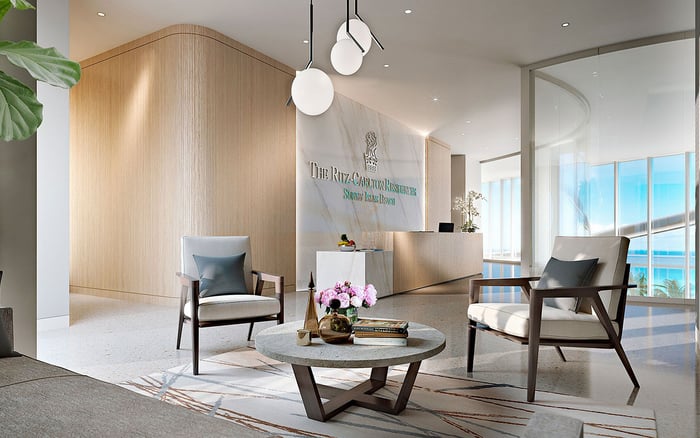
For discerning Sunny Isles Beach buyers, durable wellness infrastructure, reliable operations, and practical medical access can influence daily life more profoundly than replaceable decorative finishes.
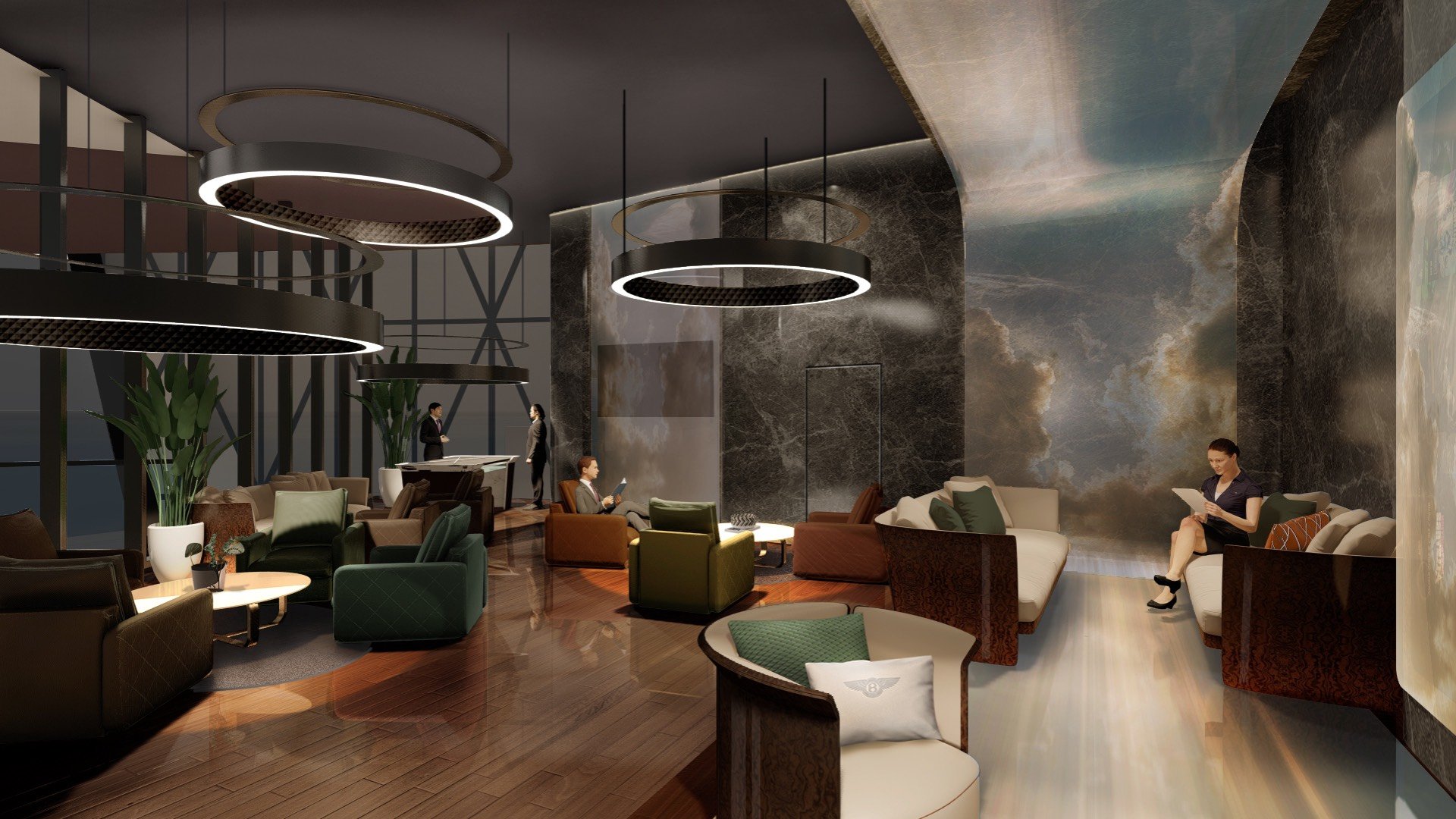
In Sunny Isles Beach, a residence can make an immediate impression through stone, millwork, appliances, and lighting. Serious buyers, however, often look beyond the presentation layer. Many finishes can be replaced, personalized, or upgraded, while a building’s wellness footprint, circulation, service model, and location are much harder for an individual owner to change.
This distinction can be especially relevant to buyers who expect to use a residence regularly, accommodate multiple generations, or hold it over a long horizon. Oceanfront living is shaped not only by design, but also by how easily residents can exercise, recover, reach the beach, receive services, and access appropriate medical care.
A wellness program depends on physical space, ongoing management, and sustained upkeep. Buyers should assess whether the available facilities fit routines they will actually maintain rather than focusing on the length of an amenity list.
For Sunny Isles Beach comparisons, buyers may review St. Regis® Residences Sunny Isles, The Ritz-Carlton Residences® Sunny Isles, and Bentley Residences Sunny Isles. Each property should be evaluated on its current development status, governing documents, represented amenities, access rules, and operating model rather than on branding alone.
The practical question is whether the building can support a buyer’s preferred rhythm. Fitness, recovery, pool, beach, and hospitality spaces have greater utility when they are convenient to access and consistently maintained.
Medical access deserves careful scrutiny, particularly for households with children, older relatives, chronic conditions, preferred specialists, or frequent guests. The relevant question is not simply whether a facility appears nearby on a map, but whether the route is practical when care is needed.
Buyers can test travel from the building’s precise entrance to their preferred emergency department, hospital, physician, and specialist. The review should consider congestion, corridor dependence, parking, access points, and alternate routes at different times rather than relying on straight-line distance or a single estimate.
The goal is not to turn a luxury purchase into a clinical decision. It is to understand a location constraint that an owner cannot change through renovation.
A wellness space is only as useful as its access rules and operating standards. Buyers should confirm service hours, reservation policies, staffing, treatment pricing, guest privileges, age restrictions, and separate charges. They should also ask how equipment and shared spaces are maintained and whether capacity is practical during preferred use periods.
Development status demands equal precision. Planned facilities should be assessed differently from completed and operating spaces. Buyers should distinguish contractual representations from marketing concepts and determine which details may change.
A broader Miami-Dade comparison may include The Well Bay Harbor Islands. Such a comparison can help a Sunny Isles Beach buyer clarify personal priorities, but it should not replace project-specific diligence.
Begin with the elements an owner cannot independently alter: location, medical routes, building infrastructure, service model, governance, and the scale and configuration of shared spaces. Next, assess recurring usability. A residence in a building that supports a buyer’s actual routine may provide greater long-term utility than one selected primarily for decorative impact.
Then price customization separately. Cabinetry, lighting, surfaces, and furnishings belong in a renovation analysis. Wellness infrastructure, operations, and medical access belong in the acquisition analysis. Keeping those categories separate helps buyers compare durable attributes with changeable ones.
Why can wellness amenities matter more than luxury finishes? Building-wide infrastructure can affect daily routines over time, while many interior finishes can be replaced or personalized by an owner.
Which wellness facilities deserve the closest attention? Buyers should prioritize spaces that match their likely routines and then evaluate access, capacity, maintenance, and usability.
Does a large spa automatically indicate quality? No. Physical scale does not establish the quality of staffing, upkeep, programming, access, or service.
How should buyers evaluate medical proximity? They should test realistic routes to their preferred hospitals, emergency departments, physicians, and specialists at different times.
Is straight-line distance to a hospital sufficient? No. Route reliability, congestion, access points, parking, and alternate paths can be more informative than simple mileage.
What should buyers confirm about planned amenities? They should establish the project’s current status and identify which amenity details are contractually represented rather than merely promotional.
Should buyers assume wellness services are included in ownership costs? No. Fees, reservations, guest rules, and any separate charges should be confirmed directly through current project documentation.
Why do service levels matter? Staffing, scheduling, maintenance, and operating hours influence whether shared facilities become convenient parts of everyday life.
How might multigenerational households approach this analysis? They may need to consider varied routines, accessibility, guest policies, and practical medical routes for different household members.
How should finishes fit into the final decision? Buyers can treat finishes as a separate customization question after evaluating location, healthcare access, infrastructure, operations, and long-term usability.
When you're ready to tour or underwrite the options, connect with MILLION.
If branded residences are on your mind — as a home or as an allocation — we would be glad to share what we are seeing, privately.
Begin a quiet conversation