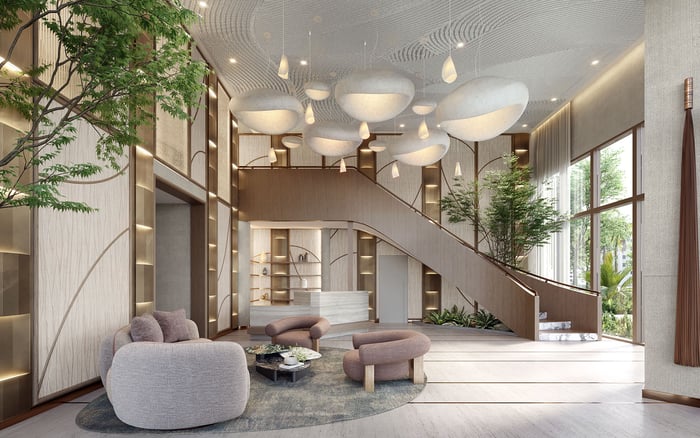
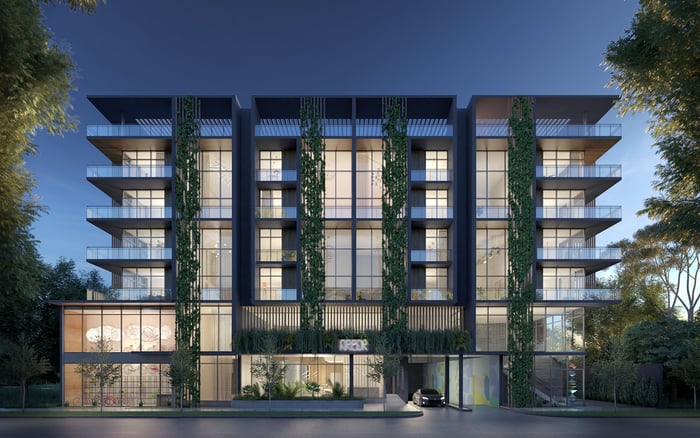
A buyer-oriented look at why storm-day livability should shape the Coconut Grove luxury search, with The Lincoln Coconut Grove positioned as a serious candidate for deeper due diligence.
In South Florida, luxury is no longer defined only by finishes, views, arrival sequences, or proximity to a favorite dining room. For sophisticated buyers, the more revealing test is how a residence performs when weather turns, schedules compress, deliveries pause, and a household wants to remain calm without feeling cut off from daily life. That is the essence of storm-day livability.
For buyers studying Coconut Grove, The Lincoln Coconut Grove belongs on the shortlist not because any building should be treated as a substitute for prudent storm planning, but because the search itself has changed. The most discerning clients are asking how a home lives under pressure. They want privacy, manageable scale, thoughtful circulation, reliable everyday comfort, and a neighborhood context that feels residential rather than transactional.
That is a different lens from the traditional amenity checklist. It asks whether the property supports a household before, during, and after disruptive weather. It asks whether storage, access, building operations, parking, pet routines, family logistics, and work-from-home needs can remain coherent. In that sense, storm-day livability is not a niche concern. It is a luxury standard.
Storm-day livability is not a single feature. It is the way multiple decisions work together. A buyer should consider the private residence, the shared building, the immediate surroundings, and the household routine as one system. The best fit is rarely the loudest marketing story. It is usually the address that feels intuitive when conditions are imperfect.
The first layer is practical comfort. Can residents organize supplies without turning closets into storage rooms? Is there space to work, rest, cook, and decompress if plans change? Do terraces, glazing, entries, and service areas feel deliberate rather than merely decorative? A terrace can be one of the pleasures of South Florida ownership, but for storm-aware buyers, the sharper question is how indoor life functions when outdoor space is temporarily off the program.
The second layer is operational clarity. Buyers should ask direct questions about building protocols, staffing expectations, access procedures, communications, package handling, parking, elevators, and post-weather reopening. None of these questions diminishes the romance of a home. They protect it.
The third layer is lifestyle continuity. A residence that feels serene on a perfect day should also feel composed on a difficult one. That is where Coconut Grove can be especially relevant for buyers who want a more residential atmosphere within Miami’s luxury map.
The Lincoln Coconut Grove enters this conversation not because storm-day living can be reduced to a single promise, but because preparedness-minded buyers tend to gravitate toward residences where the broader proposition feels controlled, personal, and less anonymous. The shortlist becomes less about spectacle and more about whether the property supports an owner’s real life.
For some clients, that means a boutique mindset. Not necessarily small for the sake of small, but considered enough that the building experience feels legible. In a tense weather week, the most valuable luxury may be knowing where to go, whom to contact, how access works, and how the home accommodates a temporary change in rhythm.
The Lincoln Coconut Grove also benefits from being part of a neighborhood conversation that is not defined by one building type. Buyers comparing it with Arbor Coconut Grove, Four Seasons Residences Coconut Grove, or Mr. C Tigertail Coconut Grove are not simply choosing architecture or branding. They are choosing a way of living in Coconut Grove, with different degrees of privacy, service, identity, and residential tempo.
That is why the storm-day lens is useful. It cuts through surface comparisons. It asks: which address would you want to inhabit when the calendar is interrupted?
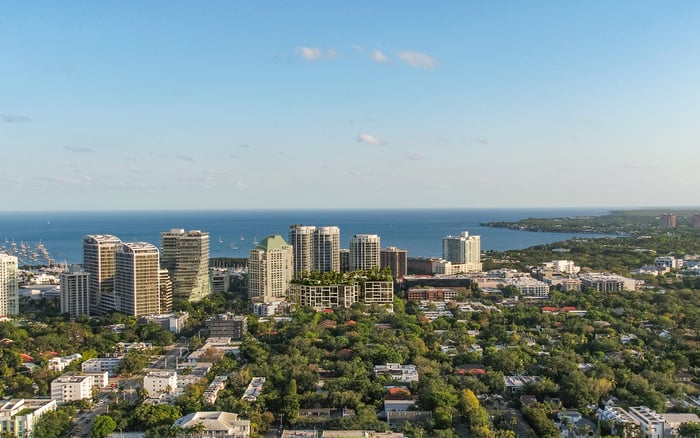
Coconut Grove has long appealed to buyers who want Miami with a softer edge. In storm-day terms, that matters because daily rhythm is part of resilience. A household that feels settled in its surroundings is better positioned to prepare calmly, adapt quickly, and return to normal routines without unnecessary friction.
This is where the Coconut Grove tag becomes more than a search label. It signals a buyer preference for a residential Miami setting, often with a different emotional register than the denser vertical corridors elsewhere in the city. The right Grove residence can feel connected without feeling exposed, urban without feeling overextended, and private without being remote.
For buyers also considering The Well Coconut Grove or Ziggurat Coconut Grove, the comparison should include more than floor plans and amenity language. It should include the ordinary Tuesday and the storm-watch Friday. How does the home receive groceries? How does the dog routine work? Where do visiting family members settle? How does the residence feel if everyone is indoors for longer than expected?
Those questions may sound modest, but they are often where luxury either holds or fades.
A buyer prioritizing storm-day livability should treat the showing as only the beginning. The real work comes through documentation, professional review, and direct conversation with the sales or building team. The goal is not alarm. The goal is precision.
Start with building systems. Ask how essential operations are managed during disruptive weather and what residents should expect before and after an event. Ask about communications, staffing assumptions, access points, garage procedures, elevator protocols, and any resident guidance that is provided. These are ordinary ownership questions in South Florida, and serious buyers should expect clear answers.
Then examine the residence itself. Consider storage, pantry capacity, appliance layout, laundry practicality, interior rooms for work or guests, and the relationship between indoor living areas and outdoor space. A waterview may be emotionally powerful, but livability depends on the entire plan, not the view alone.
Finally, review personal logistics. Does the property make sense for children, pets, frequent travel, medical needs, household staff, or visiting relatives? Does the route from parking to residence feel simple? Is there a natural place for supplies that does not compromise the elegance of the home? The best luxury residences allow preparedness to be discreet.
The Lincoln Coconut Grove should be evaluated as part of a disciplined Coconut Grove search. It is not about declaring one project universally superior. It is about matching the building to the buyer’s risk tolerance, lifestyle, and preferred level of service.
A primary resident may emphasize daily convenience, building communication, and the ability to remain comfortable through a stretch of unsettled weather. A second-home buyer may focus on lock-and-leave clarity, arrival after travel delays, and confidence that the residence can be managed when the owner is away. A family may place greater weight on storage, flexible rooms, parking, and how easily the home absorbs guests.
This is also where new construction can enter the conversation carefully. Buyers often associate newer residences with contemporary design expectations, but they should still verify every relevant system, protocol, and specification. Assumptions are not due diligence. The best buyer is both aspirational and exacting.
Storm-day livability does not mean living in fear of weather. It means refusing to separate beauty from performance. In South Florida, the most intelligent luxury purchases are those that preserve calm when conditions change. They make preparation feel orderly. They allow a residence to remain a home, not merely an asset.
For that reason, The Lincoln Coconut Grove belongs on the shortlist. It gives buyers a reason to ask better questions within one of Miami’s most emotionally resonant residential settings. The final decision should come after careful review, but the premise is sound: a residence that supports calm, privacy, and practical continuity deserves serious attention.
Why should storm-day livability influence a luxury condo search? Because true luxury includes comfort and clarity when routines are interrupted. Buyers should evaluate how a residence performs in imperfect conditions.
Does storm-day livability mean a building is storm-proof? No. It means the home, building operations, and resident routines should be assessed for practical resilience and comfort.
Why is The Lincoln Coconut Grove relevant to this discussion? It sits within the Coconut Grove luxury conversation, where many buyers prioritize a calmer residential rhythm and a more considered daily life.
What should buyers ask before purchasing? They should ask about building protocols, access, communications, parking, elevators, storage, and how essential operations are handled.
Should terrace space be part of the evaluation? Yes. Outdoor space is a lifestyle asset, but buyers should also study how the interior lives when the terrace is temporarily unusable.
Is Coconut Grove suitable for second-home buyers? It can be compelling for buyers who want a residential Miami setting, but every purchase should be tested against travel and management needs.
How should buyers compare Coconut Grove projects? Compare service style, privacy, floor-plan logic, operational clarity, and how each address supports daily routines under pressure.
Are views enough to justify a purchase? Views matter, but they should not replace careful review of layout, systems, storage, access, and household practicality.
Can a boutique setting improve livability? It may, depending on operations and design. Buyers should verify how the building communicates and functions during disruptive periods.
What is the smartest next step? Build a shortlist, tour with specific livability questions, and review building details with qualified advisors before making a decision.
To compare the best-fit options with clarity, connect with MILLION.
If branded residences are on your mind — as a home or as an allocation — we would be glad to share what we are seeing, privately.
Begin a quiet conversation