A discreet guide for estate owners considering South of Fifth condo living, with a focus on operations, privacy, storage, service culture, and daily ease.
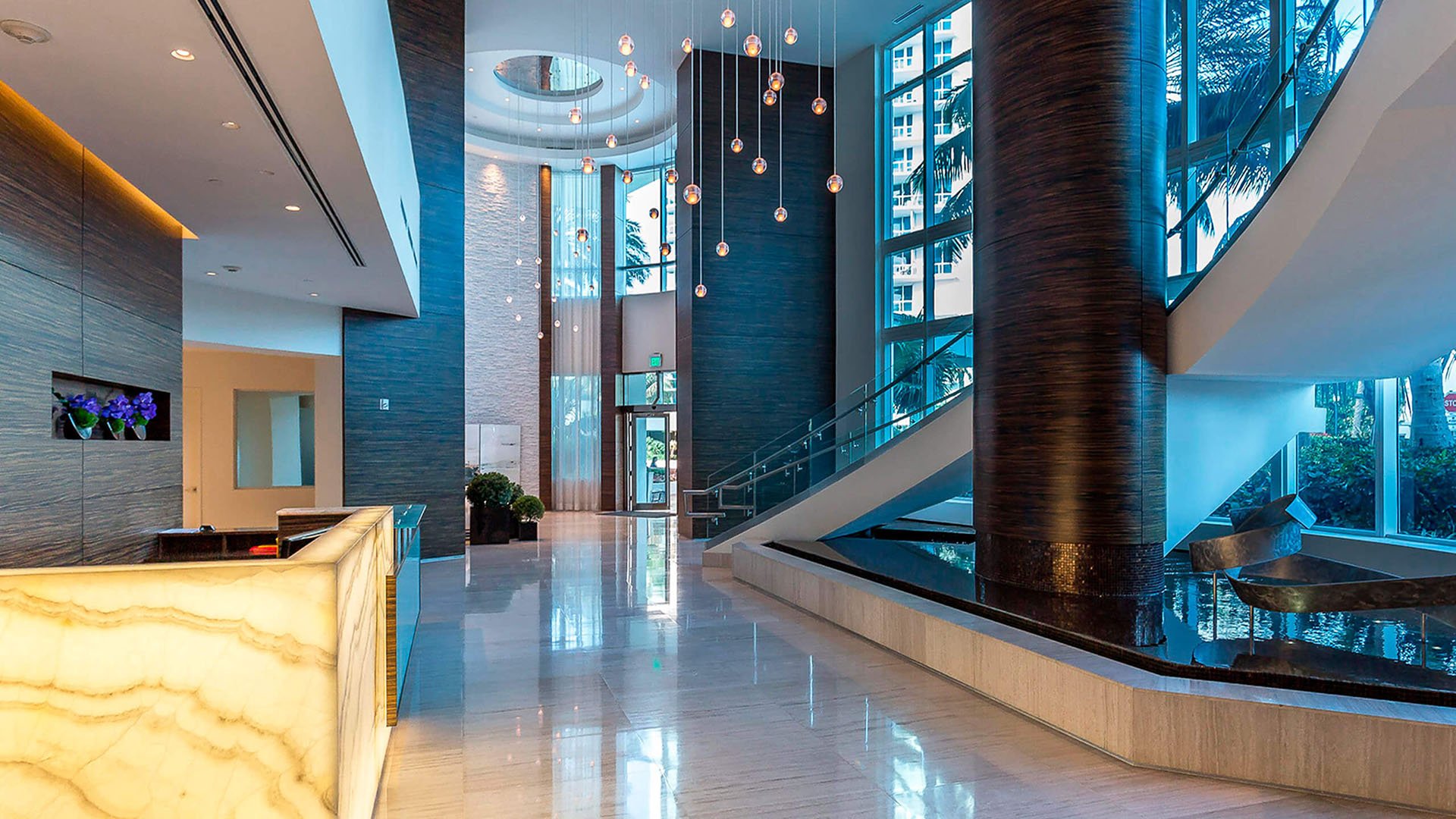
For an estate owner, leaving a substantial single-family home is rarely a simple reduction in square footage. It is a change in how daily life is supported. A house often carries layers of private control: staff routines, service entrances, storage rooms, garages, landscaping teams, security habits, and informal rhythms refined over years. A condominium may read as elegant on paper, but the transition works only when the building’s operations can absorb those patterns with calm precision.
South of Fifth, often shortened by buyers as South of Fifth or Sofi, is compelling because it combines Miami Beach walkability, waterfront appeal, and a low-friction lifestyle in a compact setting. But the neighborhood alone is not the answer. The building has to be right. For estate owners, the best fit is not necessarily the most theatrical lobby or the longest amenity list. It is the building where arrivals are discreet, staff are consistent, packages are handled without drama, guests are recognized without overexposure, and maintenance is proactive rather than reactive.
This is where the conversation becomes highly personal. A successful move from estate to condominium is less about giving something up than replacing private infrastructure with professional building infrastructure.
The downsizing buyer is often preserving privacy first. In an estate, privacy is physical: gates, hedges, setbacks, and controlled access. In a condominium, privacy is operational: elevator protocol, front desk judgment, valet discretion, visitor management, and the way service providers move through the property. The question is not whether the building is luxurious. The question is whether it protects a resident’s routine without making that protection feel conspicuous.
The second priority is continuity. Estate owners may be accustomed to a particular way of receiving guests, storing seasonal items, managing vehicles, and moving between indoor and outdoor spaces. A condo residence that photographs beautifully may still fail if the back-of-house experience is clumsy. The garage, loading area, service elevator, resident storage, pet flow, and staff communication can matter as much as the primary suite.
The third priority is control. A single-family estate allows an owner to make decisions independently. In a condominium, ownership is shared through rules, governance, and building standards. A well-run association or management structure can be liberating because it removes day-to-day burdens. A poorly run one can make even a magnificent residence feel compromised.
South of Fifth offers a rare combination for the estate owner who wants less property management without losing a sense of place. The district feels residential, yet it sits within the broader energy of Miami Beach. Dining, marina proximity, beach access, and neighborhood walks can replace the need to drive for every daily pleasure. For owners who once maintained a large estate for family visits and entertaining, the area can support a more selective, lock-and-leave lifestyle.
That said, South of Fifth is not a uniform product. Buildings differ meaningfully in scale, staffing philosophy, resident culture, and the way privacy is handled. Names such as Apogee South Beach and Continuum on South Beach often enter the conversation because buyers are evaluating established luxury condominium environments in the area, not simply floor plans. The more serious review is operational: how the property feels at 8 a.m., during a holiday weekend, after a flight, when guests arrive, and when something needs to be fixed quickly.
For a downsizing estate owner, the right building should make daily life feel lighter, not smaller.
Estate owners should study the arrival sequence with unusual care. How does the approach feel from the street? Is the valet experience composed or congested? Can guests be received gracefully? Is there a natural separation between residents, visitors, deliveries, and vendors? Does the staff appear trained to anticipate without hovering?
This matters because the arrival sequence becomes the replacement for a private driveway. If it is chaotic, the entire residence feels exposed. If it is polished, the owner gains the convenience of condominium living without losing the emotional security of coming home well.
The same principle applies to elevators. Private or semi-private elevator experiences, secure access procedures, and thoughtful circulation can make a residence feel more estate-like. Where those elements are absent or poorly managed, even generous square footage can feel less private than expected.
Downsizing does not mean an owner suddenly owns fewer objects, hosts fewer people, or needs fewer support systems. Art, wine, luggage, sporting equipment, holiday items, pet supplies, wardrobe overflow, and household documentation all need a plan. The hidden question is whether the building has enough invisible square footage to support visible elegance.
Before focusing on finishes, estate owners should ask how deliveries are handled, where staff or vendors wait, how furniture installations are scheduled, how maintenance requests are tracked, and whether management communicates clearly. A beautiful residence can become frustrating if every practical task requires negotiation.
This is also where newer and reimagined luxury offerings across Miami Beach draw attention. A buyer comparing South of Fifth options may also look at nearby properties such as The Ritz-Carlton Residences® South Beach or Five Park Miami Beach to understand different approaches to service, architecture, and lifestyle. The point is not to chase a brand or a view. It is to identify which operating model best replaces the practical depth of an estate.
In the ultra-premium condominium market, governance is not an administrative footnote. It is part of the product. Estate owners should evaluate the seriousness of building standards, the clarity of rules, the culture of maintenance, and the long-term attitude toward capital planning. A building can have beautiful amenities and still be difficult if decision-making is inconsistent.
The ideal environment has discipline without fuss. Rules are clear, staff are empowered, communication is timely, and common spaces feel cared for because they are cared for. That consistency protects value, but it also protects daily serenity. For owners used to directing their own property, strong governance can be reassuring when it is transparent and professionally executed.
The most useful test is to imagine a normal week rather than a perfect tour. Picture returning from travel, receiving family for dinner, sending a car for service, meeting a contractor, walking a dog, accepting a large delivery, and spending a quiet morning on the terrace. If the building supports those moments elegantly, the residence may work. If the answers feel vague, keep looking.
Estate owners should also consider how much they want to participate in the life of the building. Some prefer a social residential culture. Others want privacy above all else. South of Fifth can accommodate both instincts, but the match depends on the building’s scale, resident profile, and management style.
The strongest downsizing decisions are made slowly. The right condominium is not simply the one that looks most like an estate in the sky. It is the one that allows an owner to keep the best parts of estate living while letting go of the burdens.
Why can South of Fifth work for estate owners downsizing into condos? It can offer walkability, beach proximity, and a lock-and-leave lifestyle when the building’s operations are strong enough to replace private home systems.
What should an estate owner evaluate first? Start with privacy, arrival flow, staff quality, service access, storage, and management responsiveness before focusing on decorative finishes.
Is square footage the main issue when downsizing? Not usually. The larger issue is whether the building can support the owner’s daily routines with the same ease as a well-run estate.
How important is the valet and lobby experience? Very important. The arrival sequence becomes the condominium equivalent of a private driveway and sets the tone for daily privacy.
Should buyers compare buildings at different times of day? Yes. A building can feel very different during morning routines, evening arrivals, weekends, and high-demand periods.
Why does governance matter in a luxury condo? Governance shapes maintenance standards, rules, communication, and long-term consistency, all of which affect daily comfort and value.
Can a condo truly replace the convenience of an estate? It can, but only when management, staffing, storage, access, and maintenance systems are thoughtfully organized.
Are branded residences always the best answer? Not automatically. Brand can matter, but the operating culture and fit with the owner’s lifestyle are more important.
What is the biggest mistake downsizing buyers make? They sometimes buy the view before understanding how the building actually functions on ordinary days.
How should a buyer approach the final decision? Test the building against real routines, not just presentation moments, and choose the one that makes life feel lighter.
For a confidential assessment and a building-by-building shortlist, connect with MILLION.
If branded residences are on your mind — as a home or as an allocation — we would be glad to share what we are seeing, privately.
Begin a quiet conversation