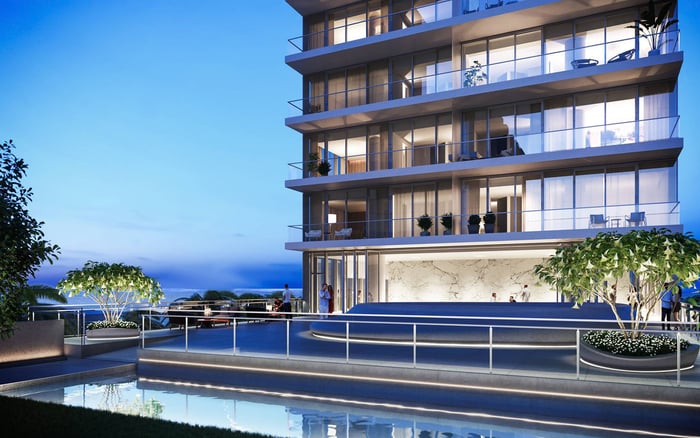
For serious Hallandale Beach buyers, the most consequential luxuries may be largely invisible. This guide explains how to evaluate access, privacy, staff discipline, digital safeguards, emergency readiness and operating culture before being persuaded by decorative finishes.
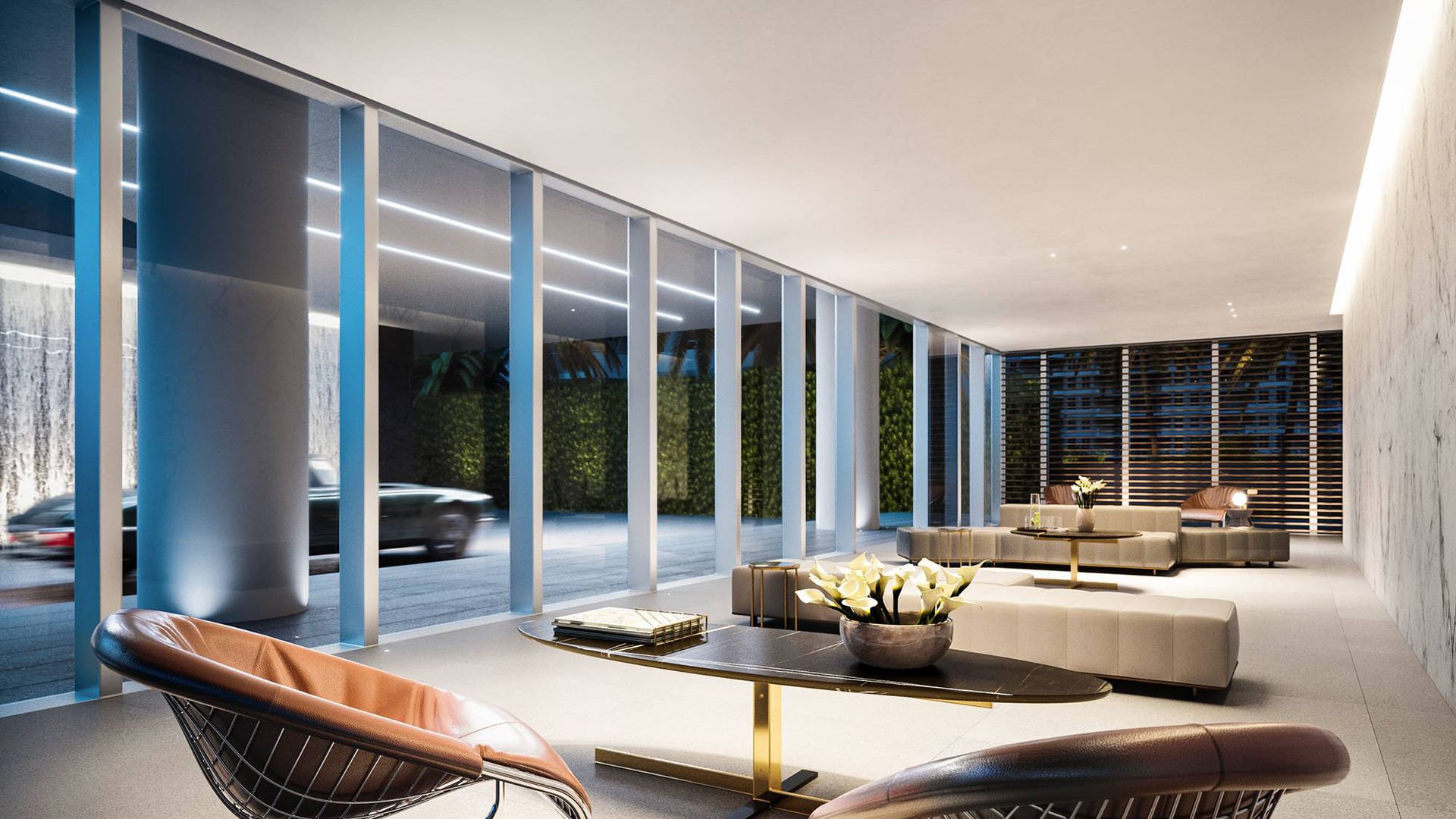
In Hallandale Beach, polished stone, tailored millwork and dramatic water views create an immediate sense of value. Yet once that first impression fades, serious buyers often reach a different conclusion: the most important residential qualities may be those a camera cannot capture.
Privacy depends on a layered operating system. Access control, visitor handling, staff judgment, delivery procedures, digital discipline and emergency communications all shape how a residence functions day to day. None should be mistaken for a promise of absolute security. Together, however, they reveal whether discretion is embedded in the building or merely implied by its design.
This is particularly relevant for waterfront ownership, where residences may serve as primary homes, seasonal retreats or family gathering places. Buyers should examine not only how a property presents, but how it performs when an owner is away, guests arrive or normal routines are disrupted.
A refined arrival should do more than appear composed. Buyers can ask how residents, guests, vendors and deliveries move through the property-and whether those paths overlap. The objective is not theatrical restriction, but controlled, courteous circulation with clear accountability.
Follow the sequence from vehicle entry to residence door. Consider where guests wait, how authorization is confirmed and what happens when a service provider arrives unexpectedly. Ask whether credentials can be changed promptly, how lost access devices are handled and which team members can view entry records.
When touring 2000 Ocean Hallandale Beach or evaluating Shell Bay by Auberge Hallandale, study the experience rather than assume any project-specific protocols. The relevant question is consistent across properties: does access feel calm because the system is disciplined, or simply because the lobby is quiet?
Physical access is only one layer. Privacy-minded buyers should ask what resident information is collected, who can view it, how long it is retained and how authorization is verified before anything is shared. Household schedules, guest names, vehicle details and contact information all warrant deliberate handling.
Digital convenience also merits scrutiny. Building applications, intercoms, cameras, wireless networks and connected residence systems can improve daily life, but buyers should understand account ownership, password responsibilities, administrator permissions and the process for removing former users. When a unit changes hands, resetting digital access should be as intentional as transferring physical keys.
The principle is simple: privacy is not a single amenity. It results from many small decisions made consistently, including what staff members disclose, where conversations take place and how requests are authenticated.
Technology can document access, but people interpret exceptions. The quality of training, supervision and escalation may therefore matter more than an impressive equipment list. Ask who is authorized to make judgment calls, how unusual requests are documented and whom the team contacts when instructions conflict.
Discretion should be evident without becoming cold. An accomplished residential staff can recognize residents while still following verification procedures. It can assist guests without disclosing private details and manage contractors without allowing convenience to override protocol.
A broader Broward comparison can be instructive. Visits to Auberge Beach Residences & Spa Fort Lauderdale and nearby coastal properties can help buyers discern differences in arrival rhythm and service culture. These observations do not replace written diligence, but they can sharpen the questions asked later.
Privacy can erode when ordinary systems fail. Power interruptions, severe weather, flooding concerns or communications outages may alter how entrances, elevators, garages and resident notifications function. Buyers should ask which systems have backup support, how emergency messages are delivered and who leads operations during a disruption.
The strongest inquiry is scenario-based. What happens if the primary entry system becomes unavailable? How are residents contacted if one communications channel fails? How are service teams, guests and vendors managed during restricted operations? The purpose is not to demand perfection, but to determine whether responsibilities and fallback procedures are clearly defined.
In a gated-community setting, the same logic extends beyond a tower lobby. Perimeter access, household vendors and secondary entrances require a coordinated plan rather than isolated controls.
Unlike a decorative buyer's guide, a serious review should follow the patterns of ordinary life. Request a daytime visit and, when feasible, observe a busier arrival period. Watch how the desk manages competing demands. Note whether deliveries linger in resident areas, doors are casually held open or staff discuss residents within earshot.
Request applicable rules and written procedures through the appropriate transaction and association channels. Review guest registration, move-in activity, contractor access, package handling, record retention and emergency communications. Clarify which responsibilities belong to the association, management, individual owner and outside technology provider.
Comparison also provides perspective. A tour of Regalia Sunny Isles Beach can offer another coastal reference point, but buyers should verify every protocol directly for the specific property under consideration. Names, finishes and service language should never replace current documentation and firsthand observation.
Finishes influence atmosphere, but many can be renovated. Operating culture is collective, recurring and far harder for one owner to change. A disciplined buyer may therefore assign greater weight to privacy governance, staff consistency, access logic and resilience than to a particular stone or appliance package.
The best Hallandale purchase is not necessarily the residence with the most visible luxury. It is the one whose systems align with the owner's routines, household structure, travel patterns and tolerance for exposure. That fit is personal and should be tested before closing, not inferred from presentation.
Why can security protocols matter more than finishes? Finishes can often be changed, while buildingwide protocols and operating culture require collective action.
Can any condominium guarantee complete security or privacy? No. Buyers should assess layered safeguards while recognizing that no property can eliminate every risk.
What should buyers observe at the main entrance? Watch how staff verify guests, separate deliveries and respond when several arrivals occur at once.
Which visitor-management questions are most useful? Ask how guests are authorized, recorded, updated and handled when instructions are unclear.
Why does staff training deserve close attention? Staff members apply rules, resolve exceptions and determine when a request requires escalation.
What digital privacy issues should a buyer review? Review account control, administrator permissions, data access and procedures for removing former users.
How should buyers evaluate emergency readiness? Ask scenario-based questions about backup operations, resident communications and decision-making responsibility.
Should seasonal owners use a different diligence standard? They should closely examine absence procedures, authorized contacts, unit access and notification practices.
Are cameras enough to establish a secure environment? No. Cameras are one layer within broader access, staffing and response procedures.
When should this diligence take place? Begin during property comparison and complete the document, technology and operational review before closing.
For a confidential assessment and a building-by-building shortlist, connect with MILLION.
If branded residences are on your mind — as a home or as an allocation — we would be glad to share what we are seeing, privately.
Begin a quiet conversation