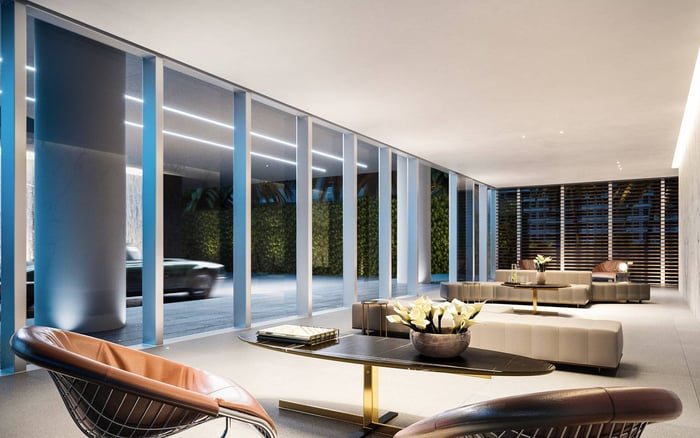
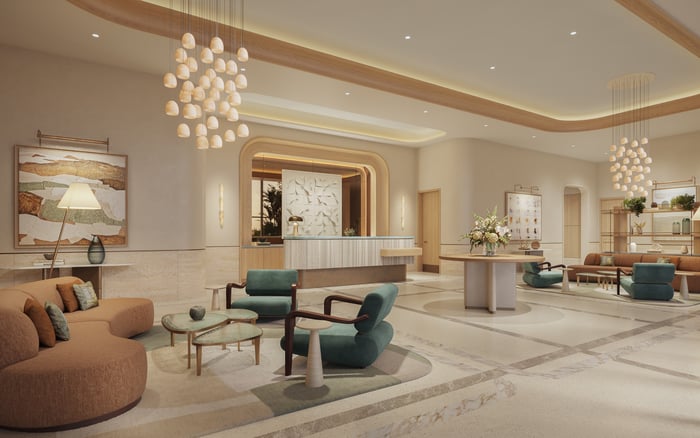
For collectors, a beautiful residence is only the beginning. Before offering on a Hallandale Beach condominium, buyers should verify whether storage, light control, HVAC performance, building access, and association rules can support the collection in practice.
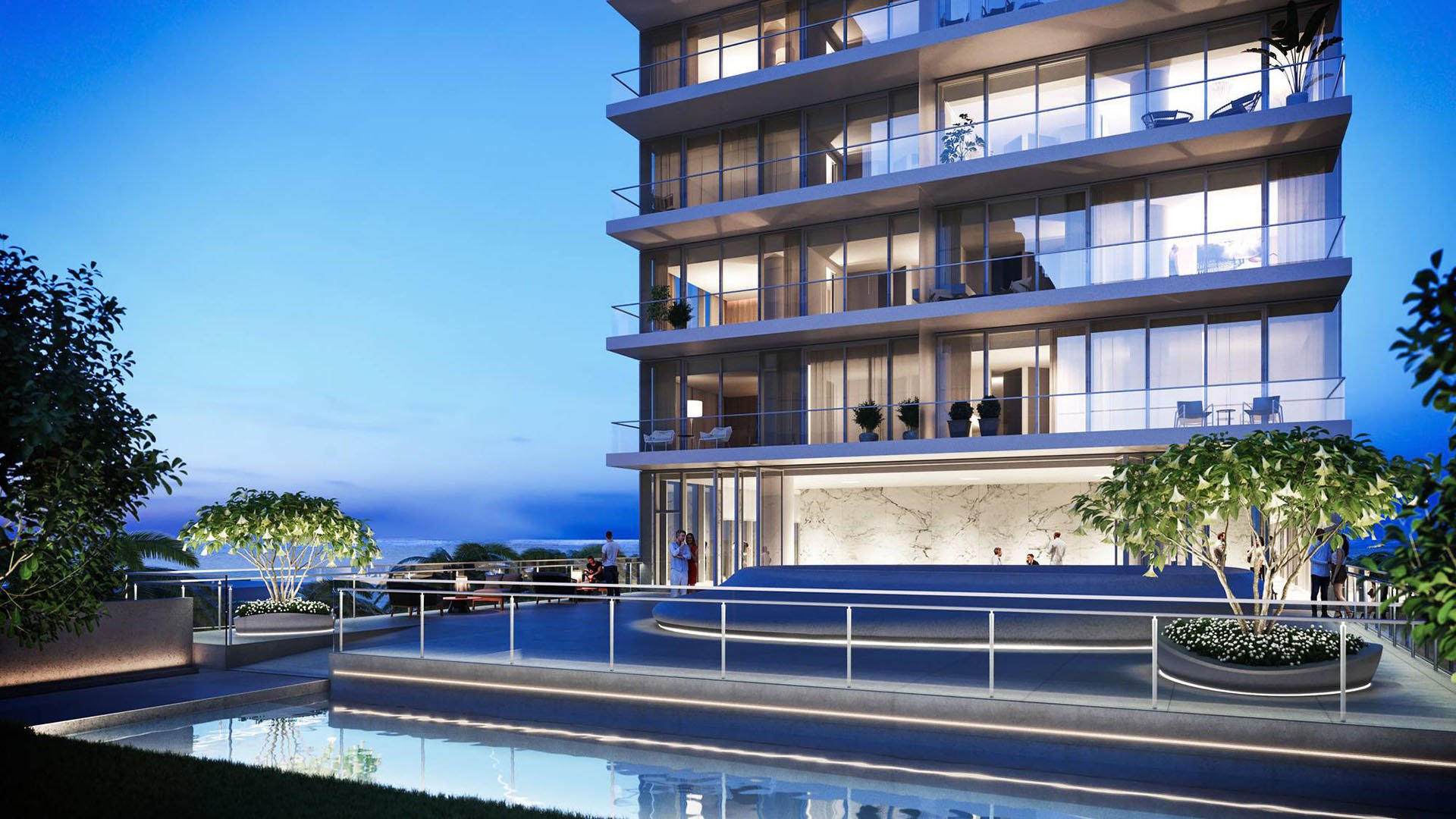
For a Hallandale Beach buyer, the question is not simply whether a residence offers enough wall space. It is whether the home and building can receive, display, preserve, rotate, and insure a collection without avoidable compromise.
That distinction matters in a waterfront market where floor-to-ceiling glass, abundant daylight, expansive terraces, and an oversized balcony may define the visual appeal. The same architecture can complicate UV exposure, heat gain, humidity management, and the placement of light-sensitive works. The prudent approach is to treat art requirements as part of due diligence, not as a decorating discussion deferred until after closing.
Buyers touring 2000 Ocean Hallandale Beach, Shell Bay by Auberge Hallandale, or another Hallandale residence should arrive with a collection-specific checklist and request written answers wherever building operations are involved.
A storage locker is not automatically an art room. Ask for its interior dimensions, ceiling height, door clearance, exact location, photographs, access controls, permitted contents, and allocation to the unit. Confirm whether the space is deeded, assigned, leased, or subject to reassignment.
Mondrian Hallandale offers dedicated storage lockers, but buyers should verify dimensions, access protections, temperature, and humidity before assuming suitability for art. Beach Club Tower I provides a well-ventilated private storage room for every unit. “Well-ventilated,” however, does not establish that a room is conditioned, humidity-monitored, secure, or approved for artwork.
Oasis Hallandale includes storage among its building features, without establishing its size, allocation, or climate specifications. Ocean Marine Yacht Club offers an individual storage unit for each resident, potentially useful for crates, pedestals, packing materials, or collection rotation if the rules permit. Its temperature and humidity specifications likewise require direct confirmation.
At Seven Park Hallandale Beach, private storage is limited, making availability and allocation potential offer contingencies for a substantial collection. In every case, buyers should also ask about flood exposure, water sensors, insurance restrictions, access logs, pest control, and whether private storage shares the residence’s environmental systems.
Assess natural light wall by wall and at different times of day. Listing photographs cannot capture the full arc of direct sun, reflected glare, seasonal exposure, or heat near glazing. Seven Park’s 10-foot ceilings and open layouts may expand display options, while its floor-to-ceiling glass and oversized balconies make light management an equally important inquiry.
A residence at 1745 E Hallandale Beach Boulevard combines abundant natural light, impact windows, and an oversized private storage room. Those attributes warrant precise follow-up questions about shade performance and storage climate. At ArtSquare at Hallandale, two-inch wood-style blinds should not be interpreted as museum-grade light control.
Ask whether the association permits UV-filtering film, blackout or solar shades, concealed pockets, motorized treatments, track lighting, reinforced hanging systems, and related electrical work. Mondrian Hallandale offers lighting controls and motorized window shades in most residences-useful starting points whose specifications and coverage still require review.
Collectors benchmarking design and architecture beyond Hallandale may also tour Bentley Residences Sunny Isles or Auberge Beach Residences & Spa Fort Lauderdale. The purpose is not to assume equivalence, but to compare how different residences address glazing, display walls, controls, and arrival logistics.
An energy-efficient thermostat is not the same as collection-grade environmental management. Ask whether HVAC operates continuously, how stable conditions remain across rooms, whether humidity is measured, and whether owners can monitor or adjust settings remotely. Mondrian Hallandale’s energy-efficient thermostats are relevant, but buyers still need to understand how the system operates in practice.
Request clarity on what happens during an outage, maintenance event, vacancy, or seasonal absence. Determine whether backup power supports residential HVAC, only common areas, or neither. Ask how quickly management responds to water intrusion or mechanical alarms and whether storage rooms receive conditioned air. These questions are especially important for works on paper, textiles, photography, wood, and mixed-media pieces, whose materials may react differently to changing conditions.
A qualified art conservator or collection manager can translate the collection’s needs into inspection criteria. An HVAC professional can then assess zoning, air distribution, sensor placement, condensate management, and the feasibility of modifications, subject to association approval.
A residence may be visually ideal yet operationally unsuitable for large-format work. Obtain freight-elevator cab and door dimensions, weight limits, loading-dock access, reservation procedures, permitted hours, corridor widths, turning clearances, and protection requirements in writing.
Also confirm contractor registration, certificates of insurance, deposits, supervision rules, and move-in charges. Ask whether crates may remain temporarily in loading or storage areas and whether installers can drill, reinforce walls, modify lighting, or use specialized lifting equipment. A unit at 2000 S Ocean Drive includes elevators, gated access, storm windows, blinds or shades, and bike storage, but those features do not resolve freight-clearance or art-handling questions.
Before making an offer, prioritize documentary evidence: association rules, architectural standards, storage assignments, freight policies, insurance requirements, and written management responses. For the serious collector, these are not peripheral amenities. They determine whether the residence can function as an elegant home for both owner and collection.
Is a private storage locker suitable for valuable art? Not necessarily. Verify dimensions, security, permitted use, temperature stability, humidity, water exposure, and insurance restrictions.
Does ventilation mean a storage room is climate-controlled? No. Ask whether the room receives conditioned air and whether temperature and humidity are monitored continuously.
What should buyers ask about condominium HVAC? Confirm continuous operation, zoning, remote monitoring, humidity control, maintenance protocols, and performance during power interruptions.
Are motorized shades enough to protect artwork? They can help manage exposure, but buyers should verify fabric specifications, coverage, automation, and whether supplemental UV mitigation is permitted.
Should an art buyer inspect at different times of day? Yes. Morning and afternoon visits can reveal direct sun, reflected glare, heat gain, and walls that listing photographs may misrepresent.
Can owners add UV-filtering film or specialized lighting? Permission varies. Review association architectural rules and obtain written approval requirements before relying on any modification.
Why do freight-elevator dimensions matter before an offer? Oversized works, crates, and pedestals may not fit through elevator doors, corridors, or turns, even when the residence itself is spacious.
What storage documents should a buyer request? Request the assignment terms, dimensions, location, access rules, allowed contents, environmental details, and relevant insurance provisions.
Who should evaluate the residence for a significant collection? Consider involving an art conservator or collection manager, an HVAC professional, an experienced installer, and insurance advisers.
Should art-related conditions appear in the offer? Material issues such as storage allocation, access, permissions, and written management confirmations may warrant review with the buyer’s advisers.
For a confidential assessment and a building-by-building shortlist, connect with MILLION.
If branded residences are on your mind — as a home or as an allocation — we would be glad to share what we are seeing, privately.
Begin a quiet conversation